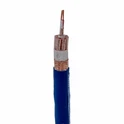
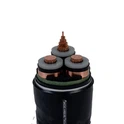
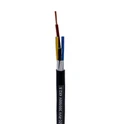
As a supplier of PVC Lighting Control Cables, ensuring the functionality of our products is of utmost importance. In this blog, I will share some comprehensive methods on how to test the functionality of PVC lighting control cables. These tests are crucial to guarantee that the cables can perform well in various lighting control systems, providing stable and reliable performance.
Visual Inspection
The first step in testing PVC lighting control cables is a visual inspection. This is a simple yet essential process that can identify obvious defects. Check the outer PVC insulation for any cuts, abrasions, or bulges. A damaged insulation can expose the internal conductors, leading to short - circuits or electrical leakage. Also, examine the cable's length and diameter. Ensure that they meet the specified requirements. Incorrect dimensions may cause installation problems or affect the cable's electrical performance.
Next, look at the cable's markings. The markings on the PVC insulation should be clear and legible, indicating important information such as the cable type, voltage rating, and manufacturer. Faded or missing markings can cause confusion during installation and maintenance. For example, if the voltage rating is not clearly marked, the cable may be used in an inappropriate electrical environment, which can lead to safety hazards.
Continuity Testing
Continuity testing is a fundamental electrical test for PVC lighting control cables. This test verifies whether there is an unbroken electrical path through the cable's conductors. To perform a continuity test, you will need a multimeter set to the continuity or resistance mode.
First, isolate the cable from any power source to avoid electrical shock. Then, connect the multimeter's probes to the two ends of each conductor in the cable. If the multimeter emits a beep or shows a very low resistance value (close to zero), it indicates that the conductor has continuity. A high resistance value or no beep means there is a break in the conductor, which can disrupt the flow of electrical signals in the lighting control system.
For multi - core PVC lighting control cables, test each conductor individually. This ensures that all the conductors in the cable are functioning properly. A broken conductor in a multi - core cable can cause specific lighting functions to fail, such as dimming or color - changing capabilities.
Insulation Resistance Testing
Insulation resistance testing is used to measure the resistance of the PVC insulation between the conductors and between the conductors and the ground. A high insulation resistance value indicates good insulation quality, which is essential for preventing electrical leakage and short - circuits.
To conduct an insulation resistance test, use an insulation resistance tester, also known as a megger. Set the megger to the appropriate voltage rating for the cable, usually 500V or 1000V for low - voltage PVC lighting control cables. Connect the tester's leads to the conductors and the ground or between different conductors as required.


Apply the test voltage for a specific period, typically 60 seconds. The insulation resistance value should be within the acceptable range specified by the cable's standards. A low insulation resistance value may indicate moisture ingress, damaged insulation, or contamination. For instance, if the cable is installed in a humid environment, moisture can penetrate the PVC insulation, reducing its insulation resistance and increasing the risk of electrical faults.
Voltage Rating Testing
Testing the voltage rating of PVC lighting control cables is crucial to ensure that they can withstand the electrical stress in the lighting control system. Over - voltage can damage the cable's insulation and conductors, while under - voltage may cause the lighting system to malfunction.
To test the voltage rating, use a high - voltage tester. Gradually increase the test voltage to the rated voltage of the cable and maintain it for a certain period, usually 1 - 5 minutes. Observe the cable during the test for any signs of electrical breakdown, such as arcing, sparking, or smoking.
If the cable passes the voltage rating test without any issues, it indicates that it can safely operate at its rated voltage. However, if there are signs of electrical breakdown, the cable may not be suitable for use in the lighting control system and should be replaced.
Signal Transmission Testing
In modern lighting control systems, PVC lighting control cables are often used to transmit control signals, such as DMX (Digital Multiplex) or DALI (Digital Addressable Lighting Interface) signals. Signal transmission testing ensures that the cable can accurately transmit these signals without significant loss or distortion.
To perform signal transmission testing, connect the cable to a signal generator and a signal analyzer. Send a test signal through the cable and measure the signal strength and quality at the receiving end. Compare the received signal with the original signal to check for any differences.
If the signal strength is too low or there are significant signal distortions, it may indicate problems with the cable's electrical properties or interference from external sources. For example, electromagnetic interference (EMI) from nearby electrical equipment can affect the signal transmission in the cable. In such cases, additional shielding or signal conditioning may be required.
Temperature Testing
Temperature testing is important to assess the cable's performance under different temperature conditions. PVC lighting control cables may be exposed to a wide range of temperatures in various applications, and their electrical and mechanical properties can be affected by temperature changes.
Use a temperature sensor to measure the cable's temperature during operation. Place the sensor at different points along the cable, especially near the connectors and areas with high current flow. Monitor the temperature over a period of time to ensure that it does not exceed the cable's maximum operating temperature.
Excessive temperature can cause the PVC insulation to soften or degrade, leading to reduced insulation resistance and increased risk of electrical faults. If the cable's temperature is too high, it may be necessary to improve the ventilation or reduce the current flowing through the cable.
Flexibility and Bend Radius Testing
Flexibility and bend radius testing are essential for PVC lighting control cables, especially in applications where the cables need to be bent or routed around obstacles. A cable that is too stiff or has a small bend radius can break or damage the conductors and insulation when bent.
To test the cable's flexibility, manually bend the cable to a certain angle and observe its response. The cable should be able to bend smoothly without cracking or breaking the insulation. Measure the minimum bend radius of the cable according to the manufacturer's specifications.
During installation, ensure that the cable is bent within the recommended bend radius. Bending the cable beyond its minimum bend radius can cause internal damage to the conductors, which may not be immediately apparent but can lead to long - term reliability issues.
Chemical Resistance Testing
In some environments, PVC lighting control cables may be exposed to various chemicals, such as solvents, oils, and cleaning agents. Chemical resistance testing helps to determine the cable's ability to withstand these chemicals without significant degradation.
Immerse a sample of the cable in the relevant chemicals for a specific period, usually 24 - 72 hours. After the immersion, remove the cable sample and visually inspect it for any signs of swelling, discoloration, or softening. Measure the changes in the cable's physical and electrical properties, such as insulation resistance and tensile strength.
If the cable shows significant degradation after chemical exposure, it may not be suitable for use in that environment. In such cases, consider using cables with better chemical resistance or providing additional protection, such as cable sheathing.
Conclusion
Testing the functionality of PVC lighting control cables is a comprehensive process that involves multiple aspects, from visual inspection to electrical and environmental testing. By conducting these tests, we can ensure that our PVC lighting control cables meet the highest quality standards and provide reliable performance in lighting control systems.
As a supplier of PVC Lighting Control Cables, we are committed to providing high - quality products that have passed all the necessary tests. If you are interested in our Control Panel Wire, PVC Insulated Control Cable or Fire Resistant Control Wire, please feel free to contact us for more information and to discuss your specific requirements. We look forward to partnering with you to provide the best lighting control cable solutions for your projects.
References
- National Electrical Code (NEC)
- International Electrotechnical Commission (IEC) standards for electrical cables
- Manufacturer's specifications and guidelines for PVC lighting control cables