


Hey there! As a supplier of .Common House Wire, I've seen firsthand how crucial proper ventilation around house wires is. It's not just some technical jargon; it's a life - saver and a game - changer for the longevity of your electrical system. So, let's dive right in and talk about how we can ensure that our common house wires get the ventilation they need.
Understanding Why Ventilation Matters
First off, why do we even need to worry about ventilating house wires? Well, when electricity flows through wires, it generates heat. That's just basic physics, folks. If there's no proper ventilation, this heat can build up, and things can go from bad to worse real quick.
Excessive heat can damage the insulation of the wires. You know, that protective layer around the copper or aluminum core? Once that insulation is compromised, it can lead to short circuits, electrical fires, and all sorts of other dangerous situations. And let's not forget about the impact on the efficiency of your electrical system. Overheated wires mean your appliances and lights have to work harder, which can lead to higher energy bills.
Identifying Areas That Need Ventilation
The first step in ensuring proper ventilation is to know where to look. In most homes, common house wires are hidden behind walls, in attics, and crawl spaces. These are the areas that often lack proper air circulation.
In the attic, for example, wires can be bundled together and covered with insulation. The insulation is great for keeping your home warm in the winter, but it can also trap heat around the wires. Crawl spaces are another culprit. They're often damp and poorly ventilated, which can cause moisture to accumulate around the wires, further increasing the risk of damage.
Tips for Ventilating House Wires
1. Keep Wires Unbundled
One of the simplest things you can do is to avoid bundling wires together too tightly. When wires are packed closely, heat can't escape as easily. Instead, try to spread them out as much as possible. If you need to group wires, use cable ties sparingly and leave some space between the bundles.
2. Use Ventilated Conduits
Conduits are a great way to protect your wires while also allowing for ventilation. There are special ventilated conduits available on the market that have holes or slots to let air flow through. This helps to dissipate heat and keep the wires cool. If you're installing new wires or replacing old ones, consider using these types of conduits, especially in areas where heat buildup is a concern.
3. Install Ventilation Fans
In areas like attics and crawl spaces, installing ventilation fans can make a huge difference. These fans help to circulate air, removing hot air and bringing in cooler air from outside. You can set them to run continuously or use a timer to turn them on and off at specific times.
4. Check Insulation
As I mentioned earlier, insulation can be both a friend and a foe when it comes to wire ventilation. Make sure that the insulation around your wires is not too thick or too tightly packed. If necessary, you can create channels in the insulation to allow air to flow around the wires.
5. Avoid Blocking Air Vents
In your home, there are often air vents near electrical panels and other areas where wires are located. Make sure these vents are not blocked by furniture, boxes, or other objects. Blocked vents prevent air from flowing freely, which can lead to heat buildup.
Special Considerations for Different Types of Wires
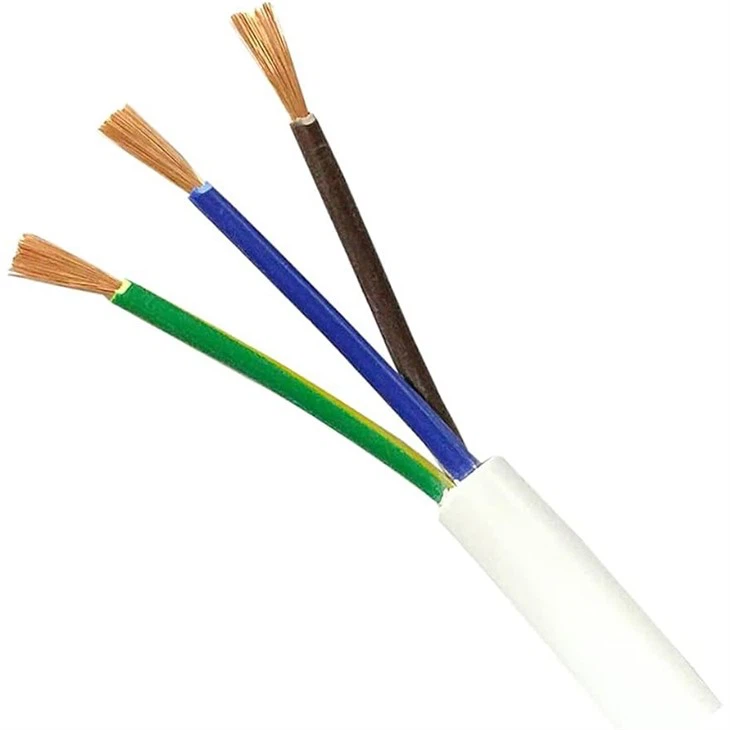
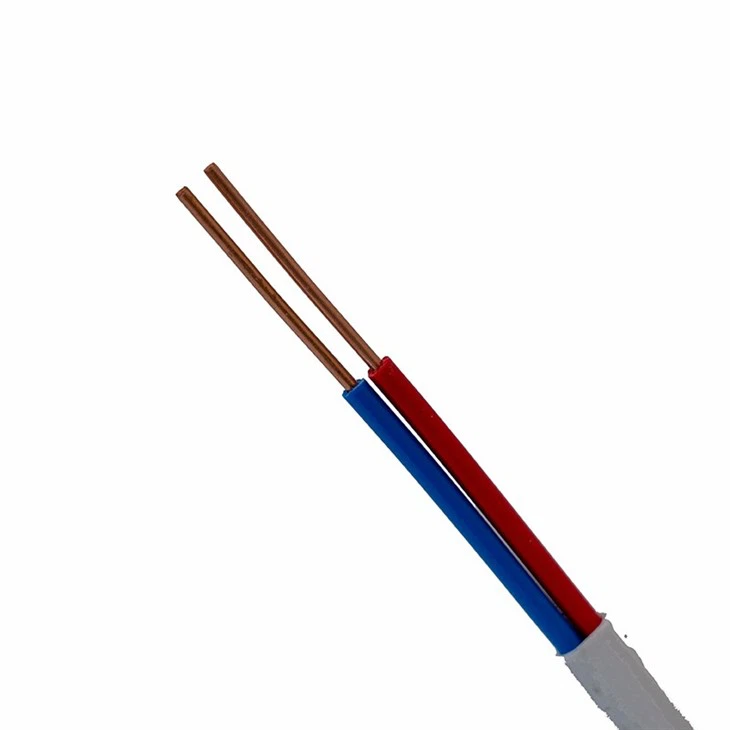
We offer a variety of wires, such as 300/500V PVC Insulated Cable and Electrical Wire for House Lights, and each type has its own ventilation requirements.
PVC insulated cables are commonly used in residential wiring because they're affordable and easy to install. However, PVC can degrade over time when exposed to high temperatures. So, it's even more important to ensure proper ventilation around these cables. Make sure they're not installed in areas where they'll be exposed to direct sunlight or other sources of heat.
Electrical wires for house lights are often installed in ceilings and walls. These areas can get hot, especially if you have recessed lighting. To prevent heat buildup, make sure there's enough space around the wires and that the fixtures are properly ventilated.
Regular Inspections
Finally, regular inspections are key to ensuring proper ventilation around your house wires. You don't have to be an electrician to do a basic inspection. Just take a look at the areas where your wires are located and check for any signs of overheating, such as discolored insulation or a burning smell.
If you notice any problems, it's important to address them right away. You can either do the repairs yourself if you have the necessary skills, or you can hire a professional electrician.
Wrapping Up and Reaching Out
Ensuring proper ventilation around common house wires is not something to be taken lightly. It's a crucial part of maintaining a safe and efficient electrical system in your home. By following the tips I've shared today, you can reduce the risk of electrical problems and keep your home running smoothly.
If you're in the market for high - quality common house wires, we've got you covered. We're a trusted supplier, and we offer a wide range of products to meet your needs. Whether you're working on a new construction project or just doing some home repairs, we can provide you with the right wires at the right price.
If you have any questions or want to discuss your specific requirements, don't hesitate to reach out. We're here to help you make the best choices for your electrical needs. Let's work together to keep your home safe and powered up!
References
- National Electrical Code (NEC)
- Electrical Safety Foundation International (ESFI)
- Various industry research on electrical wire safety and ventilation.






