As a supplier of Armoured YJV Cable, I understand the paramount importance of reliability in electrical installations. Armoured YJV cables are widely used in various applications, from industrial plants to residential buildings, due to their excellent electrical performance and mechanical protection. However, ensuring the reliability of these cables is a complex task that requires a comprehensive approach. In this blog post, I will share some insights on how to improve the reliability of Armoured YJV Cable based on my experience in the industry.
Understanding the Basics of Armoured YJV Cable
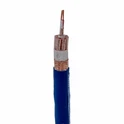
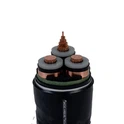
Before delving into the ways to improve reliability, it is essential to understand the basic structure and characteristics of Armoured YJV Cable. Armoured YJV cables consist of a conductor, insulation, bedding, armour, and outer sheath. The conductor is usually made of copper or aluminum, which provides the path for electrical current. The insulation, typically made of cross-linked polyethylene (XLPE), protects the conductor from electrical breakdown and ensures safe operation. The bedding is a layer between the insulation and the armour, which provides additional mechanical protection and helps to maintain the shape of the cable. The armour, which can be made of steel wire or tape, provides protection against mechanical damage, such as impact, crushing, and abrasion. The outer sheath, made of polyvinyl chloride (PVC) or other materials, protects the cable from environmental factors, such as moisture, chemicals, and sunlight.
The Armoured YJV Cable is designed to withstand harsh operating conditions and provide reliable electrical transmission. However, several factors can affect its reliability, including manufacturing quality, installation practices, environmental conditions, and maintenance.
Improving Manufacturing Quality
The manufacturing process plays a crucial role in determining the reliability of Armoured YJV Cable. To ensure high-quality cables, it is essential to follow strict manufacturing standards and use high-quality materials. Here are some key aspects of manufacturing quality that can improve the reliability of Armoured YJV Cable:


- Material Selection: The quality of materials used in the cable manufacturing process directly affects its performance and reliability. High-quality conductors, insulation materials, bedding, armour, and outer sheath materials should be selected to ensure the cable's durability and electrical performance. For example, high-purity copper or aluminum conductors with low resistance can reduce heat generation and power losses, while high-quality XLPE insulation can provide excellent electrical insulation and thermal stability.
- Production Process Control: Strict production process control is necessary to ensure the consistency and quality of Armoured YJV Cable. This includes controlling the temperature, pressure, and speed during the extrusion process, as well as ensuring the proper alignment and tension of the conductors and armour. Quality control checks should be conducted at every stage of the production process to detect and correct any defects or irregularities.
- Testing and Certification: Before the cables are shipped to the customers, they should undergo rigorous testing to ensure they meet the relevant standards and specifications. This includes electrical tests, such as insulation resistance testing, voltage withstand testing, and capacitance testing, as well as mechanical tests, such as tensile strength testing, bending testing, and impact testing. Cables that pass the tests should be certified and labeled accordingly.
Proper Installation Practices
Proper installation is essential for the reliable operation of Armoured YJV Cable. Incorrect installation can lead to mechanical damage, electrical faults, and premature cable failure. Here are some important installation practices to follow:
- Cable Routing: The cable should be routed in a way that minimizes the risk of mechanical damage and environmental exposure. It should be kept away from sharp edges, heat sources, and chemical substances. Adequate clearance should be provided between the cable and other objects to prevent abrasion and interference.
- Cable Support: The cable should be properly supported to prevent sagging and excessive tension. Cable trays, conduits, or cable clamps can be used to support the cable along its route. The support spacing should be in accordance with the manufacturer's recommendations and the cable's weight and size.
- Termination and Jointing: Proper termination and jointing are critical for the electrical performance and reliability of the cable. The terminations and joints should be made by qualified personnel using the appropriate tools and materials. The insulation should be properly stripped, and the conductors should be connected securely. Heat-shrinkable or cold-shrinkable terminations and joints can provide reliable electrical insulation and mechanical protection.
- Grounding: The armour of the Armoured YJV Cable should be properly grounded to provide protection against electrical shock and fault currents. The grounding conductor should be connected to the armour at both ends of the cable and to the grounding system of the electrical installation.
Environmental Considerations
Environmental conditions can have a significant impact on the reliability of Armoured YJV Cable. Extreme temperatures, moisture, chemicals, and sunlight can all cause degradation of the cable's insulation and outer sheath, leading to electrical faults and premature cable failure. Here are some environmental considerations to keep in mind:
- Temperature: Armoured YJV cables are designed to operate within a specific temperature range. High temperatures can cause the insulation to soften and degrade, while low temperatures can make the insulation brittle and prone to cracking. The cable should be installed in a location where the temperature is within the manufacturer's recommended range. If necessary, temperature control measures, such as insulation or cooling systems, can be used to maintain the appropriate temperature.
- Moisture: Moisture can penetrate the cable's insulation and outer sheath, leading to electrical leakage and corrosion. The cable should be installed in a dry location and protected from moisture ingress. If the cable is exposed to moisture, it should be properly sealed and waterproofed. Moisture-resistant insulation materials and outer sheaths can also be used to improve the cable's resistance to moisture.
- Chemicals: Chemicals, such as acids, alkalis, solvents, and oils, can damage the cable's insulation and outer sheath. The cable should be installed in a location where it is not exposed to chemical substances. If the cable is exposed to chemicals, it should be made of materials that are resistant to chemical corrosion. Chemical-resistant insulation materials and outer sheaths can also be used to protect the cable.
- Sunlight: Ultraviolet (UV) radiation from sunlight can cause the cable's outer sheath to degrade and crack. The cable should be installed in a location where it is not exposed to direct sunlight. If the cable is exposed to sunlight, it should be covered with a UV-resistant jacket or installed in a conduit to protect it from UV radiation.
Regular Maintenance
Regular maintenance is essential for the long-term reliability of Armoured YJV Cable. Maintenance activities can help to detect and prevent potential problems before they become serious. Here are some important maintenance practices to follow:
- Visual Inspection: Regular visual inspections should be conducted to check the condition of the cable. This includes checking for any signs of mechanical damage, such as cuts, abrasions, or dents, as well as any signs of electrical failure, such as overheating or arcing. Any defects or abnormalities should be repaired or replaced immediately.
- Electrical Testing: Periodic electrical testing should be conducted to check the cable's insulation resistance, capacitance, and other electrical parameters. This can help to detect any deterioration of the insulation or other electrical problems. Electrical testing should be performed by qualified personnel using the appropriate testing equipment.
- Cleaning and Lubrication: The cable's outer sheath should be kept clean and free from dirt, dust, and other contaminants. If necessary, the outer sheath can be cleaned with a mild detergent and water. Lubrication may also be required for some cable components, such as cable joints and terminations, to ensure smooth operation and prevent corrosion.
- Documentation and Record-Keeping: Proper documentation and record-keeping are essential for effective maintenance. Records should be kept of all maintenance activities, including inspections, testing, repairs, and replacements. This can help to track the cable's performance over time and identify any trends or patterns that may indicate potential problems.
Conclusion
Improving the reliability of Armoured YJV Cable requires a comprehensive approach that includes manufacturing quality control, proper installation practices, environmental considerations, and regular maintenance. By following these guidelines, you can ensure that your Armoured YJV cables provide reliable electrical transmission and long-term performance.
If you are in the market for high-quality Armoured YJV Cable, 6 mm Cable Single Core Xlpe, or Industrial Insulation YJV Cable, please feel free to contact us for more information and to discuss your specific requirements. Our team of experts is ready to assist you in selecting the right cable for your application and ensuring its reliable operation.
References
- "Electrical Cable Installation Handbook"
- "Insulation Materials for Electrical Cables: Properties and Applications"
- "Standards for Armoured YJV Cables"