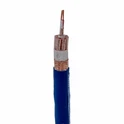
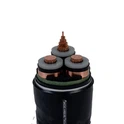
Installing 600 - 1000v armoured cable in a tunnel is a complex yet crucial task that requires careful planning, proper equipment, and adherence to safety standards. As a supplier of 600 1000v Armoured Cable, I have witnessed firsthand the importance of a well - executed installation process. In this blog, I will guide you through the steps of installing 600 - 1000v armoured cable in a tunnel, ensuring a safe and efficient setup.
Pre - installation Planning
Before any installation work begins, thorough planning is essential. This phase sets the foundation for a successful cable installation project.
- Site Assessment: Conduct a detailed inspection of the tunnel. Note the length, width, and height of the tunnel, as well as any existing infrastructure such as ventilation systems, water pipes, or other cables. Identify potential obstacles like sharp edges, rough surfaces, or areas prone to water accumulation.
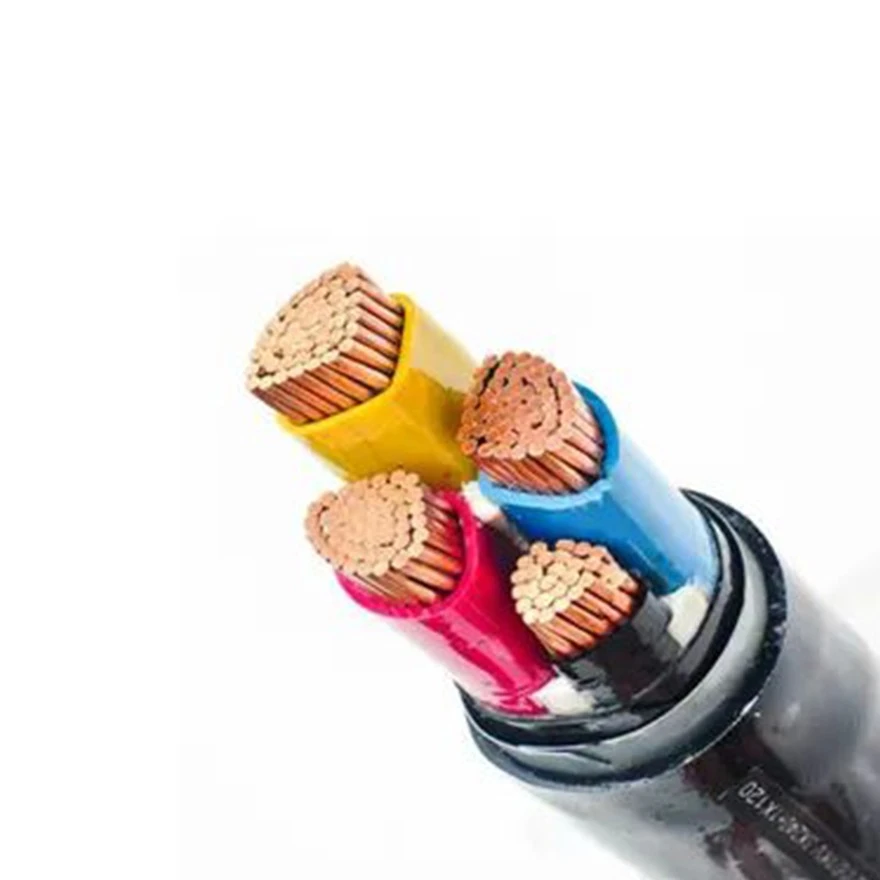
- Cable Selection: Based on the site assessment, choose the appropriate 600 1000v Armoured Cable. Consider factors such as the cable's current - carrying capacity, resistance to environmental factors (such as moisture, chemicals, and temperature variations), and mechanical strength. Our Yjv32 Power Electrical Cable Amourd is a popular choice for tunnel installations due to its high - quality insulation and robust armouring.
- Load Calculation: Determine the electrical load that the cable will need to carry. This involves calculating the power requirements of all the equipment that will be connected to the cable. Ensure that the selected cable can handle the expected load without overheating or causing voltage drops.
- Safety Measures: Develop a comprehensive safety plan. This should include measures to protect workers from electrical hazards, such as wearing appropriate personal protective equipment (PPE) like insulated gloves and safety helmets. Establish procedures for handling emergencies, such as fire or electrical shock.
Cable Installation Steps
Cable Unreeling
- Use the Right Equipment: Employ a cable unreeling machine to ensure a smooth and controlled unwinding process. This helps prevent kinks and twists in the cable, which can damage the insulation and reduce its performance.
- Positioning: Place the cable reel at the starting point of the installation, ensuring that it is securely mounted on the unreeling machine. The reel should be able to rotate freely to allow for easy cable payout.
- Guiding the Cable: As the cable is unreeled, use cable guides or rollers to direct it along the intended path in the tunnel. This helps prevent the cable from rubbing against sharp edges or getting caught on obstacles.
Cable Routing
- Mark the Route: Before laying the cable, mark the route on the tunnel walls or floor. This provides a clear guide for the installation team and ensures that the cable is laid in a straight and organized manner.
- Avoiding Interference: Keep the cable away from other cables, pipes, and equipment to prevent electromagnetic interference and physical damage. Maintain a safe distance between the armoured cable and other utilities, as specified in relevant electrical codes.
- Support Installation: Install cable supports at regular intervals along the route. These supports can be brackets, clamps, or hangers, depending on the tunnel's structure and the cable's weight. Ensure that the supports are firmly attached to the tunnel walls or ceiling to prevent the cable from sagging or falling.
Cable Termination
- Prepare the Cable Ends: Cut the cable to the appropriate length, leaving enough slack for termination. Strip the outer sheath and armour of the cable, taking care not to damage the inner insulation.
- Install Termination Kits: Use high - quality termination kits that are specifically designed for 600 - 1000v armoured cables. Follow the manufacturer's instructions carefully to ensure a proper installation. This typically involves applying insulation tape, crimping connectors, and sealing the ends to prevent moisture ingress.
- Testing: After termination, conduct electrical tests on the cable to ensure its integrity. This includes insulation resistance testing and continuity testing. Any issues detected during testing should be addressed immediately before the cable is energized.
Post - installation Checks
- Visual Inspection: Conduct a thorough visual inspection of the installed cable. Check for any signs of damage, such as cuts, abrasions, or loose connections. Ensure that the cable is properly supported and routed according to the plan.
- Electrical Testing: Perform additional electrical tests, such as voltage testing and load testing. These tests help verify that the cable is functioning correctly and can handle the expected electrical load.
- Documentation: Keep detailed records of the installation process, including cable specifications, installation dates, test results, and any modifications made during the installation. This documentation is valuable for future maintenance and troubleshooting.
Maintenance and Monitoring
- Regular Inspections: Establish a regular inspection schedule to check the condition of the cable. Inspections should include visual checks for physical damage, as well as electrical tests to monitor the cable's performance.
- Cleaning: Keep the cable and its surroundings clean to prevent the accumulation of dirt, dust, or debris, which can affect the cable's insulation and performance.
- Monitoring Systems: Consider installing monitoring systems that can detect early signs of cable degradation, such as temperature sensors or partial discharge detectors. These systems can help identify potential problems before they lead to a failure.
Conclusion
Installing 600 - 1000v armoured cable in a tunnel is a challenging but achievable task with proper planning and execution. By following the steps outlined in this blog, you can ensure a safe and reliable cable installation. As a supplier of 600 1000v Armoured Cable and Mains Armoured Cable, we are committed to providing high - quality products and technical support to our customers. If you have any questions about cable selection, installation, or maintenance, or if you are interested in purchasing our products, please feel free to contact us for further discussion and procurement negotiation.

References
- Electrical Installation Codes and Standards
- Manufacturer's Installation Guides for Armoured Cables
- Industry Best Practices for Tunnel Cable Installations