Rodents can pose a significant threat to outdoor electrical cables, causing damage that leads to power outages, safety hazards, and costly repairs. As an outdoor electrical cable supplier, I understand the importance of protecting these vital components from rodent infestations. In this blog post, I'll share some effective strategies to safeguard your outdoor electrical cables from rodents.
Understanding the Rodent Threat
Rodents, such as rats and mice, are attracted to electrical cables for several reasons. Firstly, cables provide a warm and protected environment, especially during cold weather. Secondly, rodents have a natural instinct to gnaw on objects to keep their teeth sharp and prevent them from overgrowing. Electrical cables, with their soft insulation materials, are an easy target for their gnawing behavior.
The damage caused by rodents to electrical cables can be extensive. They can chew through the insulation, exposing the conductive wires. This not only disrupts the electrical supply but also creates a fire hazard due to the risk of short - circuits. In addition, the physical damage to the cables can lead to water ingress, further deteriorating the cable's performance and lifespan.
Selecting Rodent - Resistant Cables
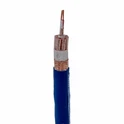
One of the most effective ways to protect outdoor electrical cables from rodents is to choose cables with rodent - resistant features. For instance, our Xlpe Insulation Outdoor Electrical Cable is designed with cross - linked polyethylene (XLPE) insulation. XLPE is a tough and durable material that is more resistant to rodent bites compared to traditional insulation materials.
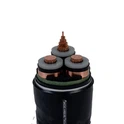
Another option is our Copper XLPE Insulated Armoured Cable. The armoring provides an extra layer of protection. The metal armor acts as a physical barrier, making it difficult for rodents to reach the inner insulation and conductors. This type of cable is particularly suitable for areas with high rodent activity.
Cable Installation and Routing
Proper installation and routing of outdoor electrical cables can also deter rodents. When installing cables, avoid placing them in areas where rodents are likely to nest or travel, such as near thick vegetation, piles of debris, or burrows. Instead, route cables along elevated structures or in conduit systems.


Conduits can provide an additional layer of protection for the cables. They not only shield the cables from physical damage but also make it harder for rodents to access them. Metal or rigid plastic conduits are recommended as they are more resistant to rodent gnawing than flexible conduits.
It's also important to ensure that cables are installed at a proper height. Rodents are less likely to reach cables that are installed at least 18 inches above the ground. This can be achieved by using cable trays, poles, or brackets.
Environmental Management
Managing the environment around the outdoor electrical cables can significantly reduce the risk of rodent infestations. Keep the area around the cables clean and free of debris. Remove any piles of leaves, wood, or other organic materials that could provide shelter for rodents.
Trim back overgrown vegetation, especially bushes and trees that are close to the cables. Rodents can use branches as a bridge to access the cables. By keeping the vegetation well - maintained, you can eliminate potential access points for rodents.
In addition, consider using rodent - repellent plants in the area. Some plants, such as mint, lavender, and garlic, have natural rodent - repellent properties. Planting these around the cable installation area can help keep rodents at bay.
Physical Barriers
Installing physical barriers around the cables can be an effective deterrent. For example, you can use wire mesh or hardware cloth to create a protective enclosure around the cables. Make sure the mesh has small enough openings to prevent rodents from squeezing through.
Place the mesh around the cable runs, leaving a small gap between the mesh and the cables to prevent rodents from gnawing through the mesh while in contact with the cables. Secure the mesh firmly to the ground or supporting structures to prevent rodents from lifting or moving it.
Rodent Control Measures
In addition to the above preventive measures, implementing rodent control measures in the area can also help protect the cables. Traps and baits can be used to reduce the rodent population. However, it's important to use these methods safely and in accordance with local regulations.
There are different types of traps available, including snap traps, glue traps, and live - catch traps. Snap traps are effective at killing rodents quickly, while live - catch traps allow you to release the rodents away from the area. Glue traps are also effective but can be inhumane.
When using baits, choose rodenticides that are specifically formulated for outdoor use. Place the baits in secure bait stations to prevent non - target animals from accessing them. Check the bait stations regularly and replace the baits as needed.
Monitoring and Maintenance
Regular monitoring and maintenance of the outdoor electrical cables are essential to ensure their continued protection from rodents. Inspect the cables periodically for signs of rodent damage, such as chew marks, exposed wires, or frayed insulation.
If any damage is detected, repair it immediately to prevent further problems. Replace damaged cables or insulation as necessary. Also, check the physical barriers, conduits, and other protective measures to ensure they are in good condition.
Keep records of the inspections and maintenance activities. This can help you identify any recurring problems and take appropriate actions to address them.
Conclusion
Protecting outdoor electrical cables from rodents requires a comprehensive approach that includes selecting rodent - resistant cables, proper installation and routing, environmental management, physical barriers, rodent control measures, and regular monitoring and maintenance.
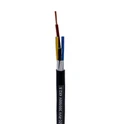
As an outdoor electrical cable supplier, we offer a range of high - quality cables, such as the Xlpe Insulation Outdoor Electrical Cable and Copper XLPE Insulated Armoured Cable, that are designed to withstand rodent threats. Our FlexibleInsulated Fireproof Cable also provides an excellent option for areas where additional protection is required.
If you're interested in learning more about our outdoor electrical cables or need advice on protecting your cables from rodents, we're here to help. Contact us to discuss your specific requirements and start a procurement negotiation. We're committed to providing you with the best solutions for your outdoor electrical cable needs.
References
- Smith, J. (2020). Rodent - Proofing Electrical Systems. Electrical Safety Journal, 15(2), 34 - 42.
- Brown, A. (2019). The Impact of Rodents on Outdoor Electrical Infrastructure. Infrastructure Management Review, 22(3), 56 - 63.
- Green, M. (2021). Effective Rodent Control Strategies for Electrical Installations. Pest Management Magazine, 30(1), 78 - 85.