As a supplier of 3 Core Household Wire, I often encounter inquiries from customers regarding the rodent resistance of our products. This is a crucial concern, as rodent damage to electrical wiring can lead to short - circuits, electrical fires, and costly repairs. In this blog, I will delve into the question of whether 3 Core Household Wire is resistant to rodents, exploring the factors involved and providing practical insights.
Understanding Rodent Behavior
Rodents, such as rats and mice, have a natural instinct to chew. They chew on various objects for several reasons. Firstly, their incisors grow continuously throughout their lives, and chewing helps to keep them trimmed. Secondly, they may chew to gain access to food, shelter, or to mark their territory. Electrical wires are often on their menu because they are readily available in homes and buildings, and the insulation material can be appealing to them.
The Composition of 3 Core Household Wire
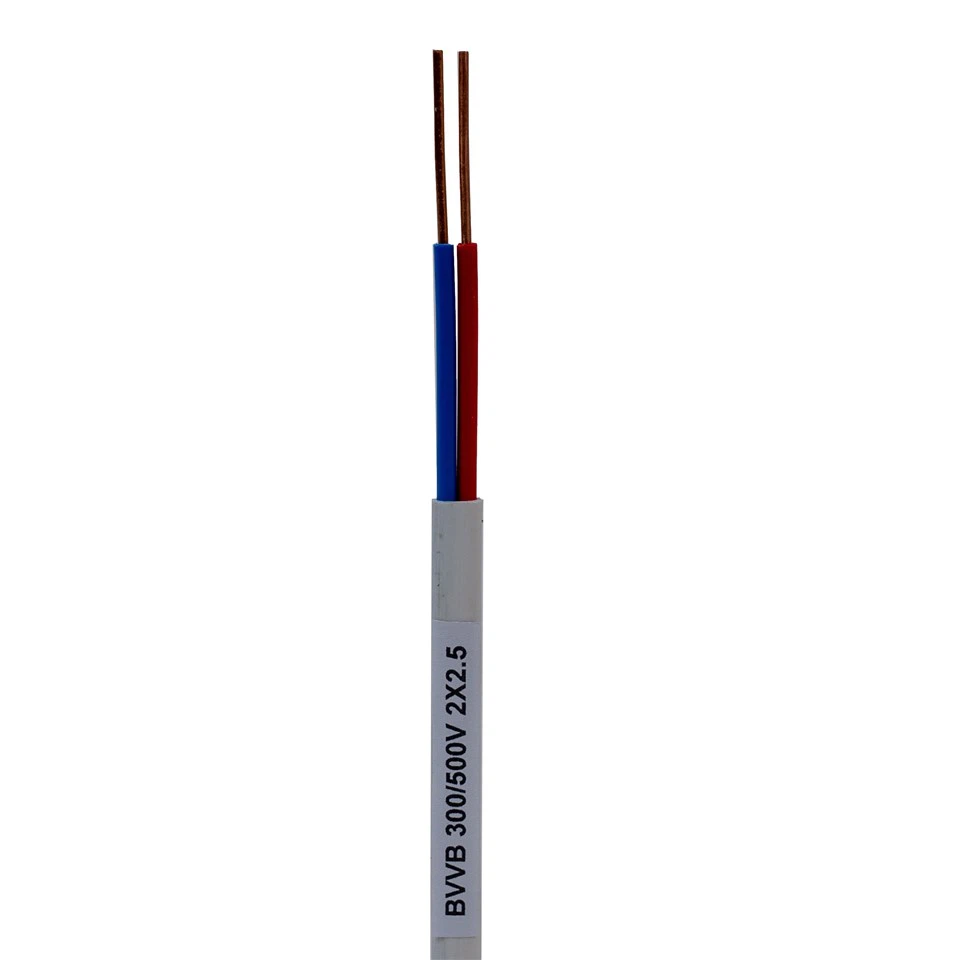
3 Core Household Wire typically consists of three insulated conductors encased in an outer sheath. The conductors are usually made of copper or aluminum, which are excellent conductors of electricity. The insulation around the conductors is designed to prevent electrical leakage and short - circuits. Common insulation materials include PVC (Polyvinyl Chloride), XLPE (Cross - Linked Polyethylene), and rubber.
The outer sheath serves as an additional layer of protection, shielding the inner conductors from physical damage, moisture, and environmental factors. The composition of the wire, especially the insulation and sheath materials, plays a significant role in determining its rodent resistance.
Rodent Resistance of Insulation Materials
PVC Insulation
PVC is a widely used insulation material for 3 Core Household Wire due to its low cost, flexibility, and good electrical properties. However, PVC is not inherently rodent - resistant. Rodents can easily chew through PVC insulation, exposing the bare conductors. This is because PVC has a relatively soft texture, which makes it an easy target for their sharp teeth.
XLPE Insulation
XLPE insulation offers better mechanical properties compared to PVC. It is more resistant to abrasion, heat, and chemicals. While XLPE is more durable than PVC, it is also not completely rodent - proof. Rodents can still gnaw through XLPE insulation, although it may take them more effort compared to PVC.
Rubber Insulation
Rubber insulation is known for its flexibility and resilience. Some types of rubber insulation are formulated to be more resistant to rodent damage. For example, certain rubber compounds contain additives that make the material less palatable to rodents. However, even rubber insulation may not be 100% effective in preventing rodent chewing, especially if the rodents are highly motivated.

Factors Affecting Rodent Resistance
Rodent Species
Different rodent species have different chewing behaviors and preferences. For example, rats have stronger jaws and can chew through tougher materials compared to mice. Some species may also be more attracted to certain types of insulation materials based on their taste, smell, or texture.
Environmental Conditions
The environment in which the 3 Core Household Wire is installed can also affect its susceptibility to rodent damage. In areas with a high rodent population, the risk of damage is naturally higher. Additionally, if the wire is installed in areas where rodents have easy access, such as attics, basements, or crawl spaces, the likelihood of chewing increases.
Availability of Alternatives
If rodents have access to other food sources or objects to chew on, they may be less likely to target the electrical wires. However, if food is scarce or the wires are the most accessible objects, they may become the primary target.
Enhancing Rodent Resistance
Physical Barriers
One way to protect 3 Core Household Wire from rodents is to install physical barriers. This can include metal conduit or cable trays, which provide a hard outer layer that rodents are less likely to chew through. Conduits can be made of materials such as steel or aluminum, which are strong and durable.
Rodent - Repellent Coatings
Some manufacturers offer rodent - repellent coatings for electrical wires. These coatings contain chemicals that emit a smell or taste that is unpleasant to rodents. When applied to the wire, the coating can deter rodents from chewing on it. However, the effectiveness of these coatings may vary depending on the quality of the product and the persistence of the rodents.
Proper Installation
Proper installation of 3 Core Household Wire can also reduce the risk of rodent damage. Wires should be installed in areas where rodents have limited access, such as inside walls or behind cabinets. Additionally, any gaps or holes in the building structure should be sealed to prevent rodents from entering.
Our 3 Core Household Wire Products
At our company, we understand the importance of rodent resistance for 3 Core Household Wire. That's why we offer a range of products designed to meet different customer needs. Our wires are made with high - quality insulation and sheath materials, and we continuously invest in research and development to improve their rodent - resistant properties.
If you are interested in our 3 Core Household Wire, we also have other related products such as Household Insulated Wire and Common House Wire. We can provide detailed product information and technical support to help you make the right choice for your project.
Conclusion
In conclusion, while 3 Core Household Wire is not completely rodent - resistant, there are steps that can be taken to minimize the risk of rodent damage. The choice of insulation material, the use of physical barriers, and proper installation are all important factors in protecting the wire from rodents.
As a 3 Core Household Wire supplier, we are committed to providing our customers with high - quality products and solutions. If you have any questions or need further information about our products, please feel free to contact us for procurement and negotiation. We look forward to working with you to ensure the safety and reliability of your electrical systems.
References
- "Rodent Behavior and Control" by Pest Management Science Journal
- "Electrical Wiring Handbook" by McGraw - Hill Professional
- "Insulation Materials for Electrical Wires" by IEEE Transactions on Dielectrics and Electrical Insulation