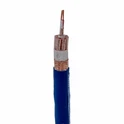
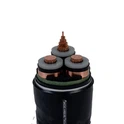
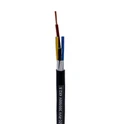
In the realm of electrical systems, control wires play a pivotal role in ensuring seamless operation and efficient communication between various components. As a trusted Control Wire supplier, I am well - versed in the diverse types of control wires available in the market. In this blog, I will delve into the different types of control wires, their characteristics, and applications.
1. General - Purpose Control Wires
General - purpose control wires are the workhorses of many electrical control systems. They are designed to transmit control signals in a wide range of industrial, commercial, and residential applications. These wires are typically made of copper conductors, which offer excellent electrical conductivity. The insulation material can vary, but common choices include polyvinyl chloride (PVC) and polyethylene (PE).


PVC - insulated general - purpose control wires are popular due to their flexibility, durability, and resistance to abrasion. They can withstand a moderate amount of mechanical stress and are suitable for indoor and outdoor use in non - hazardous environments. PE - insulated control wires, on the other hand, have better electrical properties, such as lower dielectric constant and loss tangent, which make them ideal for high - frequency applications.
General - purpose control wires are used in applications like motor control, lighting control, and automation systems. For example, in a factory, these wires can be used to connect a programmable logic controller (PLC) to various motors and sensors, allowing for precise control of the manufacturing process.
2. Fire Resistant Control Wire
Fire Resistant Control Wires are specifically engineered to maintain circuit integrity during a fire. In critical applications where the continuity of electrical control systems is essential for safety, these wires are a must - have. They are designed to withstand high temperatures and prevent the spread of fire and smoke.
The construction of Fire Resistant Control Wire usually involves special insulation materials and fire - resistant coatings. The conductors are often made of high - temperature - resistant copper or aluminum alloys. These wires are tested to meet strict fire - safety standards, such as IEC 60331 and BS 6387.
In buildings like hospitals, airports, and power plants, fire - resistant control wires are used to ensure that emergency lighting, fire alarms, and other safety - critical systems continue to function during a fire. This helps in evacuating people safely and minimizing damage to property.
3. Shielded Control Wires
Shielded control wires are designed to protect the signals transmitted through them from electromagnetic interference (EMI) and radio - frequency interference (RFI). In environments where there are a large number of electrical devices and high - power equipment, EMI and RFI can cause signal distortion and affect the performance of control systems.
The shielding in these wires is typically made of a conductive material, such as copper foil or braided copper. The shield acts as a barrier, preventing external electromagnetic fields from interfering with the signals in the conductors. Shielded control wires are commonly used in industrial automation, telecommunications, and audio - visual systems.
For instance, in a modern factory with numerous motors and variable - frequency drives, shielded control wires are used to connect sensors and actuators to the control system. This ensures that the control signals are accurate and reliable, reducing the chances of system malfunctions.
4. Lighting Control Cable 2.5 Sy Cable
The Lighting Control Cable 2.5 Sy Cable is a specialized type of control wire used specifically for lighting control systems. It is designed to handle the low - voltage signals required to control the intensity, color, and on/off state of lighting fixtures.
This cable has a specific cross - sectional area and insulation properties to ensure efficient signal transmission. It is often used in commercial buildings, such as offices, shopping malls, and hotels, where advanced lighting control systems are installed to provide energy - efficient and customizable lighting solutions.
The 2.5 Sy cable allows for easy integration with lighting control panels and dimmer switches. It can be used to create different lighting scenes, such as bright lighting for work areas and soft, ambient lighting for relaxation areas.
5. PVC Lighting Control Cable
PVC Lighting Control Cable is another option for lighting control applications. PVC is a widely used insulation material due to its cost - effectiveness, flexibility, and ease of installation.
These cables are suitable for both indoor and outdoor lighting control systems. They can be used in residential homes to control the lighting in different rooms, as well as in outdoor landscapes to control decorative lighting.
PVC lighting control cables are available in different sizes and configurations to meet the specific requirements of various lighting systems. They are easy to terminate and connect, making them a popular choice among electricians and installers.
6. High - Temperature Control Wires
High - temperature control wires are designed to operate in environments with elevated temperatures. In industries such as steel manufacturing, glass production, and aerospace, where temperatures can reach several hundred degrees Celsius, these wires are essential.
The insulation materials used in high - temperature control wires are capable of withstanding extreme heat without degrading. Examples of such materials include silicone rubber and fluoropolymers. These materials have excellent thermal stability and can maintain their electrical properties at high temperatures.
High - temperature control wires are used to connect sensors, actuators, and control devices in high - temperature processes. For example, in a steel mill, these wires can be used to connect temperature sensors to a control system, allowing for accurate monitoring and control of the steel - making process.
7. Low - Voltage Control Wires
Low - voltage control wires are used in applications where the operating voltage is relatively low, typically below 50 volts. These wires are commonly used in electronic devices, home automation systems, and low - power control circuits.
The conductors in low - voltage control wires are usually smaller in diameter compared to high - voltage wires. The insulation materials are chosen to provide good electrical insulation at low voltages. These wires are often used to connect sensors, switches, and relays in a control system.
In a home automation system, low - voltage control wires can be used to connect smart sensors, such as motion sensors and door sensors, to a central control hub. This allows homeowners to control various aspects of their home, such as lighting, heating, and security, using a smartphone or a tablet.
Conclusion
As a Control Wire supplier, I understand the importance of choosing the right type of control wire for each application. The different types of control wires available in the market offer a wide range of features and capabilities to meet the diverse needs of various industries.
Whether it's ensuring fire safety with fire - resistant control wires, protecting against electromagnetic interference with shielded control wires, or providing efficient lighting control with specialized lighting cables, each type of wire plays a crucial role in the proper functioning of electrical control systems.
If you are in the market for control wires, I encourage you to reach out to me. I can provide you with expert advice on the best type of control wire for your specific application, as well as high - quality products that meet your requirements. Contact me to start a discussion about your control wire needs and let's work together to find the optimal solution for your project.
References
- Electrical Wiring Handbook, 17th Edition
- IEC 60331 - Fire survival of electric cables for use in emergency circuits
- BS 6387 - Performance requirements for cables required to maintain circuit integrity under fire conditions