In the realm of electrical engineering, the choice between copper conductor YJV cable and aluminum conductor YJV cable is a crucial decision that can significantly impact the performance, safety, and cost - effectiveness of an electrical system. As a supplier of copper conductor YJV cables, I've witnessed firsthand the diverse requirements of clients and the importance of understanding the differences between these two types of cables.
Material Properties
The most fundamental difference between copper conductor YJV cable and aluminum conductor YJV cable lies in the conductor material itself. Copper is a highly conductive metal. It has excellent electrical conductivity, which means that it can transmit electricity with minimal resistance. This low resistance results in less energy loss during the transmission of electrical current, making copper conductor YJV cables more energy - efficient.
On the other hand, aluminum is also a good conductor, but its electrical conductivity is lower than that of copper. For the same cross - sectional area, an aluminum conductor will have a higher resistance compared to a copper conductor. This higher resistance can lead to more significant power losses in the form of heat, especially in high - current applications.
In terms of mechanical properties, copper is stronger and more ductile than aluminum. Copper conductors can withstand more bending and pulling without breaking or deforming. This makes copper conductor YJV cables more suitable for applications where the cables may be subject to mechanical stress, such as in industrial settings or in installations where the cables need to be routed through tight spaces. Aluminum, while relatively lightweight, is more brittle and can be more easily damaged during installation or handling.
Cost Considerations
Cost is often a major factor in the decision - making process when choosing between copper and aluminum conductor YJV cables. Copper is a more expensive metal than aluminum. The price of copper is influenced by global market conditions, and it can be subject to significant fluctuations. As a result, copper conductor YJV cables generally have a higher upfront cost compared to their aluminum counterparts.
However, it's important to consider the long - term cost implications. Due to its higher conductivity, copper conductor YJV cables can reduce energy consumption over time. This can lead to cost savings on electricity bills, especially in large - scale electrical systems. Additionally, the longer lifespan and lower maintenance requirements of copper cables can offset the initial higher cost. Aluminum conductor YJV cables, while cheaper to purchase initially, may require more frequent replacement due to their lower durability, which can increase the overall cost in the long run.
Installation and Compatibility
Installation of copper and aluminum conductor YJV cables also presents different challenges. Copper conductor YJV cables are easier to install because of their superior mechanical properties. They can be bent and shaped more easily, and they are less likely to break during the installation process. Copper conductors also have better compatibility with most electrical connectors and terminals.

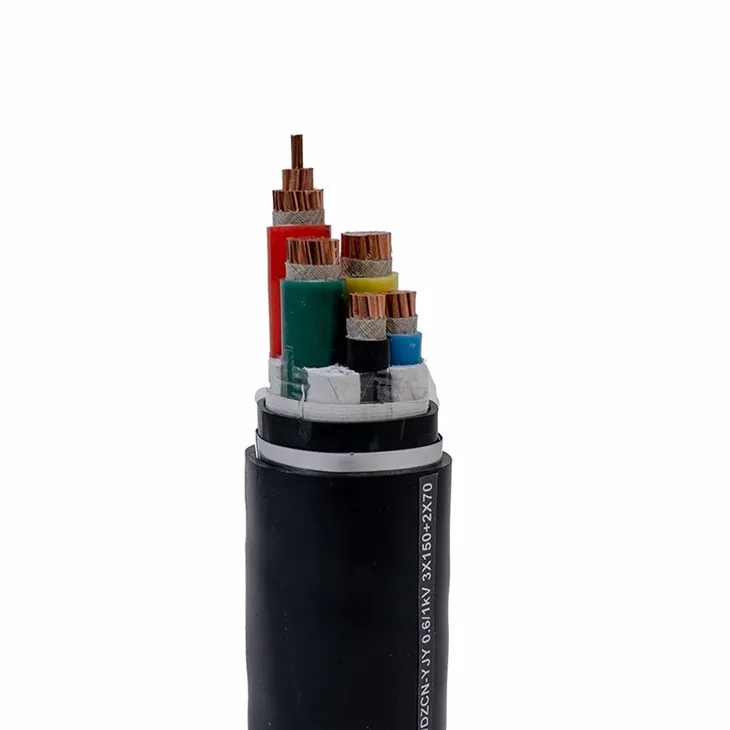
Aluminum conductor YJV cables require special installation techniques. Because aluminum is more prone to oxidation, which can increase resistance at the connection points, special anti - oxidation compounds and proper torqueing of connectors are necessary to ensure a reliable electrical connection. Improper installation of aluminum cables can lead to overheating and potential fire hazards.
Applications
The choice of cable also depends on the specific application. Copper conductor YJV cables are commonly used in high - end residential buildings, commercial complexes, and industrial facilities where reliability, energy efficiency, and safety are of utmost importance. For example, in data centers, where a stable and efficient power supply is critical to prevent data loss and equipment damage, copper conductor YJV cables are the preferred choice.
Aluminum conductor YJV cables are often used in applications where cost is a major concern and the electrical load is relatively low. They are commonly found in some rural electrical distribution systems, street lighting projects, and some low - power industrial applications.
Environmental Impact
From an environmental perspective, both copper and aluminum have their own considerations. Copper mining and refining processes can have a significant environmental impact, including habitat destruction, water pollution, and energy consumption. However, copper is highly recyclable, and recycling copper requires much less energy compared to primary production.
Aluminum production also consumes a large amount of energy, but aluminum is also one of the most recycled metals in the world. Recycling aluminum can save up to 95% of the energy required for primary production. When considering the environmental impact, the recyclability of both materials should be taken into account, along with their energy efficiency during use.
Safety
Safety is a top priority in any electrical installation. Copper conductor YJV cables offer better safety features due to their lower resistance and higher durability. The lower resistance reduces the risk of overheating, which is a common cause of electrical fires. Copper's strength also means that it is less likely to break or cause short - circuits during normal use.
Aluminum conductor YJV cables, if not installed and maintained properly, can pose safety risks. The oxidation of aluminum at connection points can lead to increased resistance, overheating, and potential fire hazards. Special precautions need to be taken during installation and regular inspections should be carried out to ensure the safety of aluminum cable installations.
If you are in the market for high - quality copper conductor YJV cables, I invite you to explore our product range. We offer a variety of Low Voltage YJV Cable, Armoured YJV Cable, and 6 mm Cable Single Core Xlpe to meet your specific requirements. Our team of experts is ready to assist you in making the right choice for your electrical project. Whether you need advice on cable selection, installation, or maintenance, we are here to help. Contact us today to start a discussion about your cable needs and let us provide you with the best solutions for your electrical systems.
References
- "Electrical Wiring Handbook" by Tom Henry and Don Cross.
- "Handbook of Electrical Engineering" edited by Theodore Wildi.
- Industry reports on copper and aluminum conductor cable performance and applications.