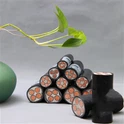
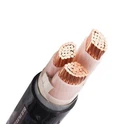
Hey there! As a supplier of YJV cables, I often get asked about the grounding method for YJV cables. It's a crucial topic because proper grounding ensures the safety and efficient operation of electrical systems. So, let's dive right in and explore what the grounding method for YJV cable is all about.
First off, let's understand what YJV cables are. YJV cables are cross-linked polyethylene insulated PVC sheathed power cables. They're widely used in various electrical applications, from residential buildings to industrial complexes. These cables are known for their excellent electrical performance, high mechanical strength, and good resistance to environmental factors.


Now, why is grounding so important for YJV cables? Well, grounding serves several key purposes. It helps protect people from electric shock by providing a safe path for electrical current in case of a fault. It also helps prevent damage to equipment by redirecting fault currents away from sensitive components. Additionally, grounding can reduce electromagnetic interference and improve the overall stability of the electrical system.
There are a few different grounding methods for YJV cables, and the choice of method depends on several factors, including the type of electrical system, the installation environment, and local electrical codes. Let's take a look at some of the most common grounding methods.
1. Direct Grounding
Direct grounding is one of the simplest and most common grounding methods for YJV cables. In this method, the metal sheath or armor of the cable is directly connected to the grounding system. This can be done by using a grounding conductor, such as a copper wire, to connect the sheath or armor to a grounding electrode, like a grounding rod or a grounding grid.
The advantage of direct grounding is that it provides a low-resistance path for fault currents, which helps to quickly clear faults and protect the electrical system. However, it's important to ensure that the grounding connection is secure and that the grounding conductor has sufficient cross-sectional area to carry the fault current without overheating.
2. Indirect Grounding
Indirect grounding is another option for YJV cables, especially in systems where direct grounding may not be feasible or desirable. In this method, the metal sheath or armor of the cable is connected to a grounding device, such as a grounding transformer or a grounding resistor, which is then connected to the grounding system.
The main advantage of indirect grounding is that it can limit the magnitude of fault currents and reduce the risk of electrical shock. However, it's important to properly size and select the grounding device to ensure that it can effectively handle the fault current and provide the necessary protection.
3. Single-Point Grounding
Single-point grounding is a grounding method that involves connecting all the grounding conductors of the YJV cables to a single grounding point. This helps to minimize the potential difference between different parts of the electrical system and reduce the risk of electrical interference.
Single-point grounding is commonly used in sensitive electrical systems, such as those found in telecommunications equipment, computer networks, and control systems. It's important to ensure that the single grounding point is properly designed and installed to provide a stable and reliable grounding connection.
4. Multi-Point Grounding
Multi-point grounding is the opposite of single-point grounding. In this method, the grounding conductors of the YJV cables are connected to multiple grounding points throughout the electrical system. This can help to reduce the impedance of the grounding system and improve the dissipation of fault currents.
Multi-point grounding is often used in large electrical systems, such as power plants and industrial facilities, where the fault current can be very high. However, it's important to carefully design and install the multi-point grounding system to avoid creating ground loops, which can cause electrical interference and other problems.
Considerations for Grounding YJV Cables
When grounding YJV cables, there are a few important considerations to keep in mind. Here are some tips to help you ensure a proper grounding installation:
- Follow Local Electrical Codes: Always follow the local electrical codes and regulations when grounding YJV cables. These codes are designed to ensure the safety and reliability of the electrical system and may specify the requirements for grounding conductors, grounding electrodes, and grounding connections.
- Use the Right Materials: Make sure to use high-quality grounding materials, such as copper conductors and corrosion-resistant grounding electrodes. Using inferior materials can lead to poor grounding performance and increase the risk of electrical problems.
- Proper Installation: Ensure that the grounding conductors are properly installed and connected to the cable sheath or armor and the grounding system. Make sure the connections are tight and secure to prevent loose connections, which can cause high resistance and increase the risk of electrical arcing.
- Regular Inspections: Periodically inspect the grounding system to ensure that it's in good condition and functioning properly. Look for signs of corrosion, damage, or loose connections, and make any necessary repairs or replacements.
As a YJV cable supplier, I offer a wide range of high-quality YJV cables, including 4 C 75sqmm Cu AWG Cable, Armoured YJV Cable, and 1x150 Xlpe Yjv Cable. Our cables are designed to meet the highest standards of quality and performance, and we can provide expert advice on grounding and installation to ensure that your electrical system is safe and reliable.
If you're in the market for YJV cables or have any questions about grounding methods, I'd love to hear from you. Feel free to reach out to me to discuss your specific requirements and get a quote. I'm here to help you find the right solution for your electrical needs.
References
- Electrical Installation Guide. (Publisher, Year)
- National Electrical Code (NEC). (Edition)
- IEEE Standards for Electrical Safety. (IEEE, Year)