


What is the maximum current - carrying capacity of Copper Conductor YJV Cable?
As a dedicated supplier of Copper Conductor YJV Cable, I often encounter inquiries regarding the maximum current - carrying capacity of these cables. Understanding this crucial aspect is essential for anyone involved in electrical installations, as it directly impacts the safety and efficiency of the electrical system.
Factors Affecting the Current - Carrying Capacity
The current - carrying capacity, also known as ampacity, of a Copper Conductor YJV Cable is determined by several factors. One of the primary factors is the cross - sectional area of the copper conductor. Larger cross - sectional areas can carry more current because they offer less resistance to the flow of electricity. For example, a cable with a larger cross - section has more space for electrons to move through, reducing the heat generated due to resistance.
Another significant factor is the insulation material. YJV cables use cross - linked polyethylene (XLPE) insulation, which has excellent electrical and thermal properties. XLPE insulation can withstand higher temperatures compared to some other insulation materials, allowing the cable to carry more current without overheating. The ambient temperature also plays a vital role. In a warmer environment, the cable's ability to dissipate heat is reduced, which in turn decreases its current - carrying capacity.
The installation method is yet another factor. Cables installed in open air can dissipate heat more effectively than those installed in conduits or buried underground. When cables are bundled together, the heat generated by each cable can affect the others, reducing the overall current - carrying capacity of the bundle.
Calculating the Current - Carrying Capacity
To calculate the maximum current - carrying capacity of a Copper Conductor YJV Cable, we typically refer to international standards and guidelines. The International Electrotechnical Commission (IEC) and the National Electrical Code (NEC) in the United States provide detailed tables and formulas for determining ampacity.
For instance, let's consider a 370+235 Xlpe Cable. According to the IEC standards, the current - carrying capacity of this cable can be estimated based on its cross - sectional area, insulation type, and installation conditions. If it is installed in free air with an ambient temperature of 30°C, it can carry a relatively high current. However, if the same cable is installed in a conduit underground with a higher ambient temperature, the current - carrying capacity will be lower.

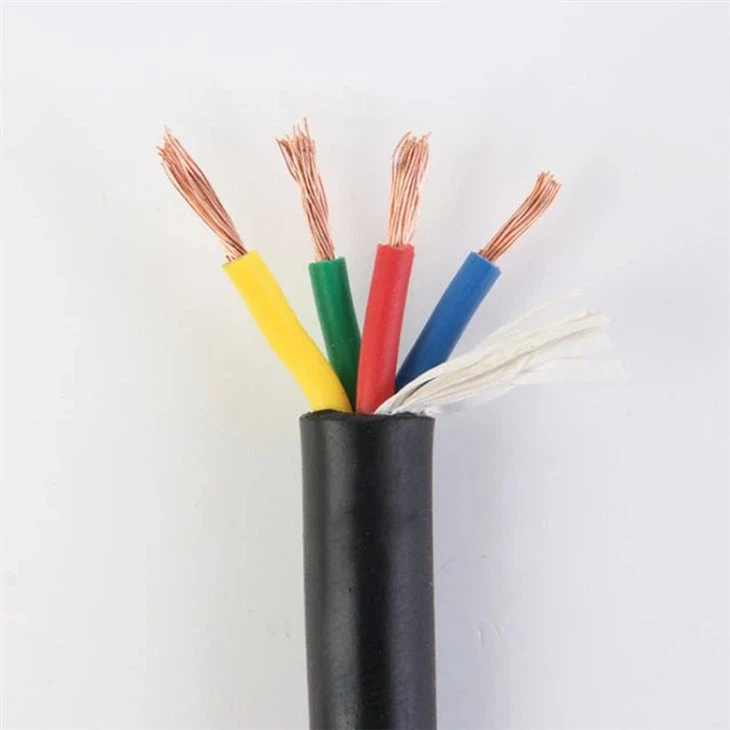
Similarly, for a 6 mm Cable Single Core Xlpe, the ampacity will depend on the factors mentioned above. A single - core cable may have different heat dissipation characteristics compared to multi - core cables, which can affect its current - carrying capacity.
The 1x150 Xlpe Yjv Cable has a larger cross - sectional area, which generally means it can carry more current. But again, the actual ampacity will be influenced by the installation environment and other factors.
Real - World Applications and Considerations
In real - world electrical installations, it is crucial to select the right cable with an appropriate current - carrying capacity. For residential applications, smaller cross - section cables are usually sufficient to meet the electrical demands of lighting, appliances, and other household equipment. However, in industrial settings, where large motors and heavy machinery are used, cables with higher current - carrying capacities are required.
When designing an electrical system, engineers must also consider future expansion. It is advisable to select cables with a slightly higher current - carrying capacity than the current requirements to accommodate any potential increase in electrical load in the future.
Overloading a cable can have serious consequences. Excessive current can cause the cable to overheat, which can damage the insulation, leading to short circuits, electrical fires, and equipment failures. Therefore, it is essential to accurately calculate the current - carrying capacity and select the appropriate cable for the specific application.
Our Role as a Supplier
As a Copper Conductor YJV Cable supplier, we play a crucial role in helping our customers make the right cable selection. Our team of experts can provide detailed technical information about the current - carrying capacity of our cables based on different installation scenarios. We can also assist in calculating the ampacity for specific projects, taking into account all the relevant factors.
We ensure that our cables meet the highest quality standards and are manufactured using the best materials. Our Copper Conductor YJV Cables are tested rigorously to ensure their performance and safety. By choosing our cables, customers can have peace of mind knowing that they are getting a reliable product that can handle the required electrical load.
Conclusion
The maximum current - carrying capacity of Copper Conductor YJV Cable is a complex but crucial aspect of electrical installations. It is influenced by multiple factors, including cross - sectional area, insulation material, ambient temperature, and installation method. By understanding these factors and referring to international standards, we can accurately calculate the ampacity of the cables.
If you are in need of high - quality Copper Conductor YJV Cables for your electrical projects, we invite you to contact us for procurement and further discussions. Our team is ready to assist you in selecting the right cable with the appropriate current - carrying capacity for your specific needs.
References
- International Electrotechnical Commission (IEC) standards on electrical cables.
- National Electrical Code (NEC) in the United States for electrical installations.


