As a trusted supplier of Armoured YJV Cable, I've witnessed firsthand the growing demand for high - performance electrical cables in various industries. Armoured YJV cables are widely used due to their durability and reliability, but one of the most critical aspects that customers often inquire about is their shielding performance. In this blog, I'll delve into the shielding performance of Armoured YJV Cable, exploring its mechanisms, influencing factors, and applications.
Understanding the Basics of Armoured YJV Cable
Before we discuss the shielding performance, let's briefly understand what Armoured YJV Cable is. YJV stands for cross - linked polyethylene insulated PVC sheathed power cable. The "armoured" part refers to the additional layer of protection, usually made of steel tape or wire, which enhances the cable's mechanical strength and protection against external damage.
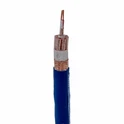
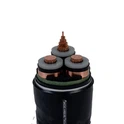
The cable consists of a conductor, an insulation layer (cross - linked polyethylene), a bedding layer, an armour layer, and an outer sheath (PVC). The conductor is typically made of copper or aluminum, and for high - quality applications, copper conductors are preferred due to their excellent electrical conductivity. You can explore our Copper Conductor YJV Cable for more information on this type of cable.
Mechanisms of Shielding in Armoured YJV Cable
The shielding in Armoured YJV Cable serves multiple purposes. Firstly, it provides electromagnetic shielding. In electrical systems, especially those with high - voltage or high - frequency currents, electromagnetic interference (EMI) can be a significant problem. EMI can disrupt the normal operation of electrical equipment, cause signal distortion, and even lead to equipment failure.
The armour layer in the cable acts as a Faraday cage. A Faraday cage is an enclosure made of conductive material that blocks external electromagnetic fields. When an external electromagnetic field encounters the armour layer of the Armoured YJV Cable, the free electrons in the conductive armour redistribute themselves to cancel out the electric field inside the cage. This effectively shields the inner conductors from external EMI.
Secondly, the shielding also protects the cable from mechanical damage. The steel tape or wire armour provides a physical barrier that can withstand impacts, abrasions, and crushing forces. This is particularly important in industrial environments where cables may be exposed to heavy machinery, construction activities, or harsh weather conditions.
Influencing Factors on Shielding Performance
Several factors can influence the shielding performance of Armoured YJV Cable.
1. Armour Material
The type of material used for the armour has a significant impact on shielding effectiveness. Steel is a commonly used material due to its high strength and good electrical conductivity. Different grades of steel can have varying levels of conductivity and magnetic permeability, which in turn affect the shielding performance. For example, low - carbon steel may offer different shielding characteristics compared to high - carbon steel.
2. Armour Thickness
The thickness of the armour layer is another crucial factor. A thicker armour layer generally provides better shielding against both electromagnetic interference and mechanical damage. However, increasing the thickness also adds to the weight and cost of the cable. Therefore, a balance needs to be struck between shielding performance and practical considerations such as installation requirements and budget.
3. Cable Design
The overall design of the cable, including the arrangement of the conductors, the insulation thickness, and the presence of additional shielding layers, can affect the shielding performance. For example, some cables may have an additional copper tape shield between the insulation and the armour layer to enhance electromagnetic shielding.


4. Frequency of the Electromagnetic Field
The frequency of the electromagnetic field also plays a role in shielding effectiveness. Different types of armour materials and cable designs may be more effective at certain frequencies. Generally, lower - frequency electromagnetic fields are more difficult to shield compared to higher - frequency fields.
Applications and the Importance of Shielding Performance
The shielding performance of Armoured YJV Cable makes it suitable for a wide range of applications.
1. Industrial Applications
In industrial settings, such as factories and power plants, there are numerous electrical equipment and machinery that generate and are sensitive to electromagnetic interference. Armoured YJV cables are used to connect motors, generators, control panels, and other electrical devices. The shielding ensures that the electrical signals transmitted through the cables are not affected by external EMI, thus maintaining the stable operation of the equipment. For instance, in a large manufacturing plant, 370 + 235 Xlpe Cable can be used to power heavy - duty machinery while providing reliable shielding.
2. Building Wiring
In commercial and residential buildings, Armoured YJV cables are used for power distribution and lighting systems. The shielding helps to prevent interference with other electronic devices such as televisions, computers, and mobile phones. Additionally, the mechanical protection provided by the armour ensures the long - term reliability of the wiring system, especially in areas where the cables may be subject to physical damage.
3. Telecommunications
In the telecommunications industry, where high - speed data transmission is crucial, Armoured YJV cables can be used to connect network equipment. The shielding performance helps to maintain the integrity of the data signals, reducing the risk of data loss or corruption due to electromagnetic interference.
Case Studies
Let's take a look at a real - world example to illustrate the importance of the shielding performance of Armoured YJV Cable. A large data center was experiencing intermittent network outages. After investigation, it was found that the electromagnetic interference from nearby power cables was affecting the data transmission in the network cables. By replacing the existing unshielded cables with Armoured YJV cables, the shielding effectively blocked the external EMI, and the network outages were eliminated.
Another example is in a mining operation. The cables used in the mine were constantly exposed to harsh conditions, including rock falls and heavy machinery. The Armoured YJV cables with their strong shielding against mechanical damage and electromagnetic interference ensured the continuous operation of the electrical systems, reducing downtime and maintenance costs.
Conclusion
The shielding performance of Armoured YJV Cable is a critical aspect that makes it a preferred choice in many electrical applications. Whether it's protecting against electromagnetic interference or providing mechanical protection, the armour layer plays a vital role in ensuring the reliability and performance of the cable.
As a supplier, we understand the importance of providing high - quality Armoured YJV cables that meet the specific requirements of our customers. We offer a wide range of cables, including 6 mm Cable Single Core Xlpe, to suit different applications.
If you're in need of Armoured YJV Cable for your project, we'd be more than happy to discuss your requirements and provide you with the best solutions. Contact us today to start a conversation about your cable needs and explore how our products can meet your shielding and performance requirements.
References
- "Electrical Power Cable Engineering" by John W. McDonald
- "Handbook of Electrical Engineering" by Frank D. Petruzella