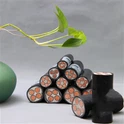
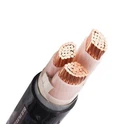
When it comes to working with outdoor electrical cables, safety is of paramount importance. As an Outdoor Electrical Cable supplier, I've witnessed firsthand the potential hazards that can arise if proper safety precautions are not taken. In this blog post, I'll share some essential safety measures that should be followed when dealing with outdoor electrical cables.
Understanding the Risks
Outdoor electrical cables are exposed to a variety of environmental factors that can pose significant risks. These include moisture, extreme temperatures, UV radiation, and physical damage from animals or human activities. Moisture, for example, can cause electrical shorts, corrosion, and insulation breakdown, leading to electrical shock or fire. Extreme temperatures can also affect the performance of the cables, causing them to become brittle or expand, which may lead to damage.
Personal Protective Equipment (PPE)
One of the first steps in ensuring safety when working with outdoor electrical cables is to wear appropriate personal protective equipment. This includes insulated gloves, safety glasses, and protective clothing. Insulated gloves are crucial as they provide a barrier between the worker and the electrical current, reducing the risk of electrical shock. Safety glasses protect the eyes from flying debris, while protective clothing shields the body from cuts, abrasions, and chemical exposure.
Inspection and Testing
Before installing or working on outdoor electrical cables, it's essential to conduct a thorough inspection. Check for any signs of damage, such as cuts, abrasions, or exposed wires. Inspect the insulation for cracks or degradation, as this can compromise the cable's safety. Additionally, perform electrical testing to ensure that the cable is functioning properly. This may include testing for continuity, resistance, and insulation resistance.
Proper Installation
Proper installation is key to the safe operation of outdoor electrical cables. Follow the manufacturer's instructions carefully and ensure that the cables are installed in accordance with local electrical codes. Use appropriate cable trays, conduits, or raceways to protect the cables from physical damage and environmental factors. Make sure that the cables are properly grounded to prevent electrical shock and reduce the risk of fire.
Protection from Environmental Factors
To protect outdoor electrical cables from environmental factors, consider using cables with appropriate insulation and protection. For example, FlexibleInsulated Fireproof Cable is designed to withstand high temperatures and fire, making it suitable for outdoor applications where fire safety is a concern. 120mm Xlpe Cable offers excellent electrical performance and resistance to moisture and chemicals, making it ideal for harsh outdoor environments. Halogen-free Multi-core Copper Cable is a good choice for applications where low smoke and halogen-free emissions are required.


Maintenance and Monitoring
Regular maintenance and monitoring are essential to ensure the continued safety and performance of outdoor electrical cables. Inspect the cables periodically for signs of damage or wear, and replace any damaged cables immediately. Monitor the electrical performance of the cables, including voltage, current, and temperature, to detect any potential issues early. Keep a record of all maintenance and inspection activities for future reference.
Training and Education
Proper training and education are crucial for anyone working with outdoor electrical cables. Workers should be trained on the safe handling and installation of electrical cables, as well as the proper use of personal protective equipment. They should also be familiar with the potential hazards associated with outdoor electrical work and know how to respond in case of an emergency.
Emergency Preparedness
In addition to following safety precautions, it's important to be prepared for emergencies. Have an emergency plan in place that includes procedures for dealing with electrical shocks, fires, and other accidents. Make sure that all workers are familiar with the emergency plan and know how to use emergency equipment, such as fire extinguishers and first aid kits.
Conclusion
Working with outdoor electrical cables can be dangerous if proper safety precautions are not taken. By understanding the risks, wearing appropriate personal protective equipment, conducting thorough inspections and testing, installing the cables properly, protecting them from environmental factors, performing regular maintenance and monitoring, providing training and education, and being prepared for emergencies, you can minimize the risk of accidents and ensure the safe operation of your outdoor electrical systems.
If you're interested in purchasing high-quality outdoor electrical cables or have any questions about safety precautions, please don't hesitate to contact us for a procurement discussion. We're here to help you find the right solutions for your needs.
References
- National Electrical Code (NEC)
- Occupational Safety and Health Administration (OSHA) guidelines
- Manufacturer's installation and maintenance manuals