


Hey there! As a supplier of underground electrical wire, I often get asked if underground electrical wire can be used for a home automation system. Well, let's dive right into it and explore this topic.
First off, what exactly is a home automation system? It's a setup that allows you to control various aspects of your home, like lighting, heating, and security systems, all from one central device or even remotely using your smartphone. It's like having a personal butler for your home, making your life more convenient and efficient.
Now, let's talk about underground electrical wire. This type of wire is designed to be buried directly in the ground, and it's built to withstand the harsh conditions underground, such as moisture, soil pressure, and temperature variations. There are different types of underground electrical wires available, each with its own specifications and uses. For example, Underground Electrical Wire for 100 Amp Service is suitable for high - power applications, while 2.0 Awg Copper Underground Wire offers good conductivity and durability. And 6/3 with Ground Direct Burial Wire is a popular choice for many residential projects.

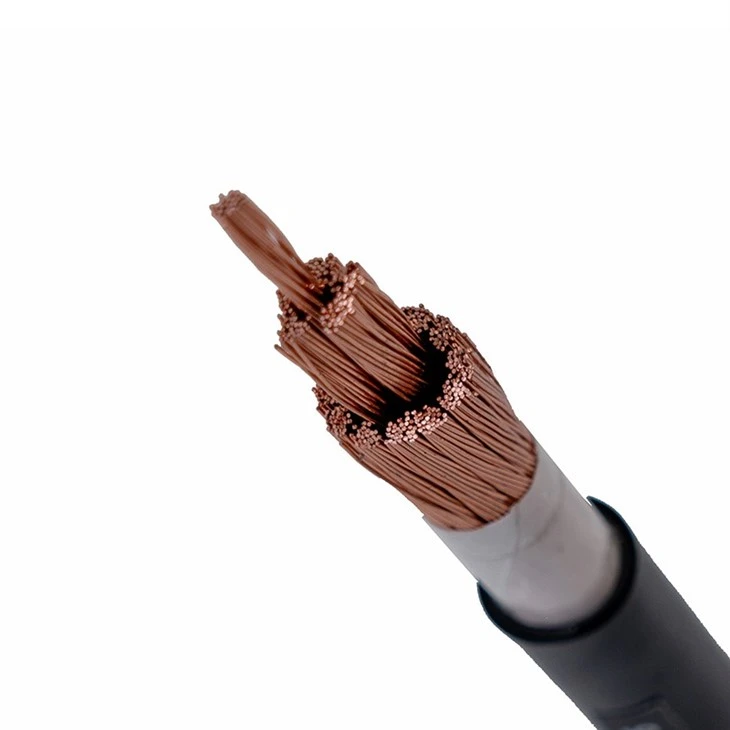
So, can underground electrical wire be used for a home automation system? The short answer is yes, but there are a few things to consider.
Advantages of Using Underground Electrical Wire for Home Automation
- Safety: One of the biggest advantages is safety. Since the wire is buried underground, it's out of the way and less likely to be damaged by accidental impacts or vandalism. This reduces the risk of electrical shorts and potential fire hazards. For a home automation system, which often involves a lot of electrical components, safety is of utmost importance.
- Aesthetics: Let's face it, no one wants to see a bunch of wires running along the walls or across the yard. Underground electrical wire keeps everything hidden, giving your home a clean and uncluttered look. This is especially important if you've put a lot of effort into the landscaping or interior design of your home.
- Durability: Underground electrical wire is built to last. It's made with materials that can resist corrosion, moisture, and other environmental factors. This means that your home automation system will have a reliable power source for years to come, without the need for frequent repairs or replacements.
- Flexibility: You can route the wire wherever you need it in your home, without being restricted by the layout of the walls or ceilings. This gives you more flexibility when designing your home automation system, allowing you to place sensors, controllers, and other devices in the most optimal locations.
Disadvantages and Considerations
- Installation Cost: Installing underground electrical wire can be more expensive than running wires through the walls. You'll need to dig trenches, which may require special equipment and labor. Additionally, you'll need to make sure the wire is installed correctly to avoid any future problems. However, in the long run, the benefits may outweigh the initial cost.
- Maintenance and Troubleshooting: If there's a problem with the underground wire, it can be more difficult to locate and repair compared to wires that are easily accessible. You may need to use specialized equipment to detect the fault and dig up the wire to make the necessary repairs. This can be time - consuming and costly.
- Compatibility: Not all underground electrical wires are suitable for all home automation systems. You need to make sure that the wire you choose can handle the voltage and current requirements of your specific system. It's also important to ensure that the wire is compatible with any other electrical components in your home, such as switches, outlets, and controllers.
How to Choose the Right Underground Electrical Wire for Your Home Automation System
- Determine the Power Requirements: First, figure out how much power your home automation system will need. This will depend on the number and type of devices you plan to connect. For example, if you have a lot of high - power devices like smart appliances or large - scale lighting systems, you'll need a wire with a higher ampacity.
- Consider the Distance: The length of the wire run is also an important factor. Longer wire runs can result in voltage drop, which can affect the performance of your system. Make sure to choose a wire with a sufficient gauge to minimize voltage drop over the distance.
- Check the Insulation: The insulation of the wire is crucial, especially when it's buried underground. Look for wire with high - quality insulation that can protect against moisture, chemicals, and physical damage.
Installation Tips
- Follow Local Codes: Before you start the installation, make sure you're familiar with the local electrical codes and regulations. These codes are in place to ensure the safety of your home and your family. You may need to obtain a permit before starting the work.
- Use Proper Equipment: Use the right tools and equipment for the installation, such as a trencher for digging the trenches and a wire pulling machine to pull the wire through the trenches. This will make the installation process easier and more efficient.
- Test the System: Once the wire is installed, test your home automation system to make sure everything is working properly. Check for any signs of electrical problems, such as flickering lights or malfunctioning devices.
In conclusion, underground electrical wire can be a great option for a home automation system, but it's important to carefully consider the advantages and disadvantages before making a decision. If you're willing to invest in the proper installation and take the necessary precautions, it can provide a safe, durable, and aesthetically pleasing solution for powering your home automation system.
If you're interested in learning more about our underground electrical wire products or have any questions about using them for your home automation system, don't hesitate to reach out. We're here to help you make the right choice for your home. Whether you're a DIY enthusiast or a professional contractor, we have the expertise and products to meet your needs. Let's have a chat and see how we can work together to bring your home automation dreams to life.
References
- National Electrical Code (NEC)
- Electrical Wiring Handbook
- Home Automation System Manuals






