


Are control wires flame-retardant? That's a question I get asked a lot as a control wire supplier. In this blog, I'm gonna break down what flame retardancy is, whether control wires are flame-retardant, and why it matters for your projects.
First off, let's talk about what flame retardancy means. Flame-retardant materials are designed to slow down or prevent the spread of fire. They do this by either releasing substances that cool the flames, diluting the oxygen around the fire, or forming a protective char layer that insulates the material from the heat. When it comes to control wires, flame retardancy is a crucial feature, especially in environments where fire safety is a top concern.
Now, are control wires flame-retardant? Well, it depends. Not all control wires are created equal. Some are specifically engineered to be flame-retardant, while others may not have this feature. As a supplier, I offer a range of control wires, and many of them are indeed flame-retardant.
Let's take a look at some of the types of control wires I supply. One popular option is the Control Panel Wire. These wires are commonly used in control panels, where they need to be reliable and safe. Many of the control panel wires I offer are flame-retardant, which helps to prevent the spread of fire in case of an electrical fault.
Another type of control wire is the PVC Insulated Control Cable. PVC (polyvinyl chloride) is a common insulation material for control cables. Some PVC insulated control cables are designed with flame-retardant additives. These additives can significantly reduce the flammability of the cable, making it a safer choice for many applications.
Then there's the PVC Lighting Control Cable. Lighting systems are everywhere, and fire safety is a major concern. Flame-retardant PVC lighting control cables can help protect your lighting installations and the surrounding areas from the risk of fire.
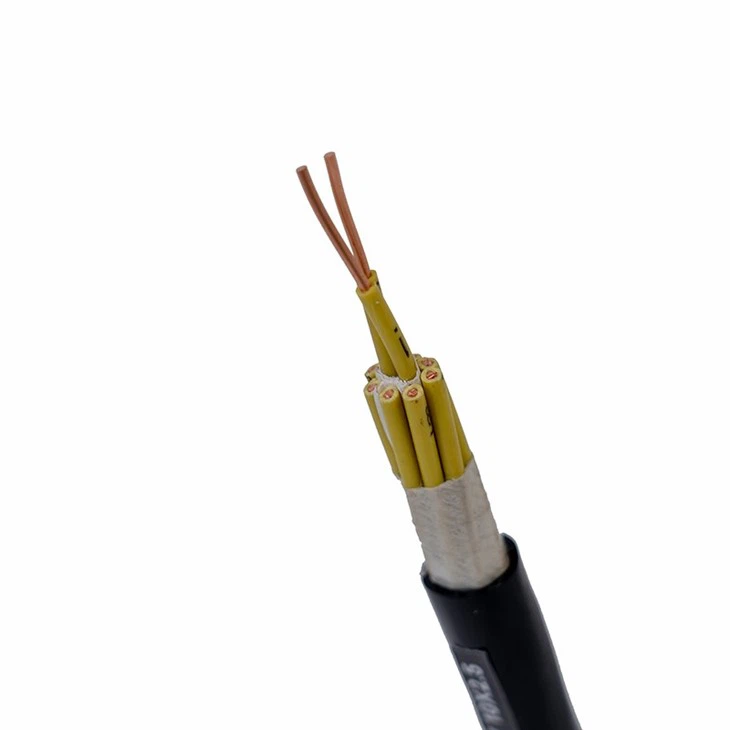

So, why should you care about flame-retardant control wires? Well, there are a few good reasons. First and foremost, safety is the number one priority. In any building or industrial setting, a fire can cause significant damage to property and, more importantly, put people's lives at risk. Flame-retardant control wires can help minimize the spread of fire, giving people more time to evacuate and firefighters more time to contain the blaze.
Secondly, many building codes and regulations require the use of flame-retardant materials, including control wires, in certain applications. By using flame-retardant control wires, you can ensure that your projects are compliant with these regulations, avoiding potential fines and legal issues.
Thirdly, flame-retardant control wires can also offer long-term cost savings. While they may be slightly more expensive upfront, they can help prevent costly fire damage and downtime. In the event of a fire, the cost of replacing damaged equipment, repairing the building, and lost productivity can be astronomical. Investing in flame-retardant control wires can be a smart financial decision in the long run.
When choosing control wires, it's important to look for the right certifications. There are several standards and certifications that indicate a wire is flame-retardant. For example, the UL (Underwriters Laboratories) 1581 standard is widely recognized in North America. Wires that meet this standard have been tested and proven to have certain flame-retardant properties.
It's also a good idea to work with a reputable supplier. As a control wire supplier, I have a deep understanding of the different types of control wires and their properties. I can help you choose the right flame-retardant control wires for your specific needs. Whether you're working on a small residential project or a large industrial installation, I can provide you with high-quality wires that meet your requirements.
In addition to flame retardancy, there are other factors to consider when choosing control wires. These include the wire's voltage rating, current-carrying capacity, temperature rating, and flexibility. It's important to choose wires that are suitable for the specific application and environment. For example, if you're using the wires in a high-temperature environment, you'll need wires with a high temperature rating.
If you're still not sure whether flame-retardant control wires are right for your project, feel free to reach out to me. I'm always happy to answer any questions you may have and provide you with more information. I can also offer samples of our flame-retardant control wires so you can see and test them for yourself.
In conclusion, flame-retardant control wires are an important consideration for any project where safety is a concern. Whether it's a control panel, a lighting system, or an industrial installation, using flame-retardant control wires can help protect your property and people. As a control wire supplier, I'm committed to providing you with high-quality, flame-retardant control wires that meet your needs. If you're interested in purchasing control wires or have any questions about our products, don't hesitate to contact me. Let's work together to ensure your projects are safe and successful.
References
- UL 1581 Standard for Electrical Wires, Cables, and Flexible Cords
- Various industry reports on fire safety and control wire applications






