


When it comes to the installation of Mains Armoured Cable, there are indeed several special precautions that need to be taken into account. As a supplier of Mains Armoured Cable, I have witnessed firsthand the importance of these precautions in ensuring the safety, efficiency, and longevity of the electrical systems in which these cables are used.
Understanding Mains Armoured Cable
Before delving into the installation precautions, it's essential to understand what Mains Armoured Cable is. Mains Armoured Cable is designed to carry electrical power from the main supply to various electrical appliances and systems. It is typically used in both residential and commercial settings, and its armoured construction provides additional protection against mechanical damage, moisture, and other environmental factors.

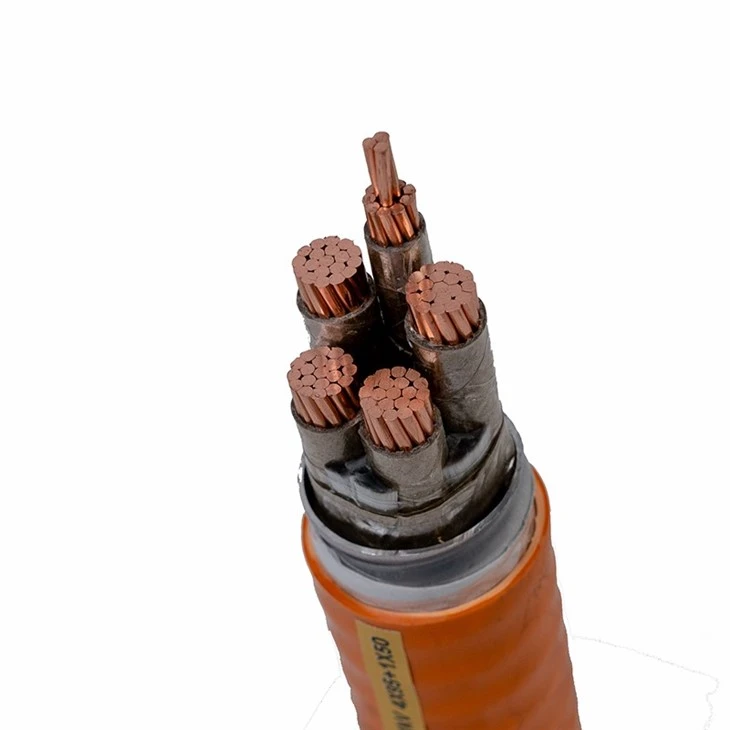
There are different types of Mains Armoured Cable available in the market, such as Yjv22 Power 16mm*5 Armoured Cable, 4 Core Low Voltage Power Cable, and 600 1000v Armoured Cable. Each type has its own specific characteristics and applications, so it's crucial to choose the right cable for your project.
Precautions Before Installation
1. Cable Selection
The first and most important step is to select the appropriate cable for the specific application. Consider factors such as the voltage requirements, current-carrying capacity, environmental conditions, and the length of the cable run. Using an undersized or inappropriate cable can lead to overheating, voltage drops, and potential safety hazards.
For example, if you are installing a cable in an area with high mechanical stress, you may need to choose a cable with a thicker armour. Similarly, if the cable will be exposed to moisture or chemicals, you should select a cable with appropriate insulation and protection.
2. Site Inspection
Before starting the installation, conduct a thorough site inspection. Identify any potential obstacles, such as pipes, ducts, or other cables, that may interfere with the installation process. Check the route for any sharp edges or rough surfaces that could damage the cable.
Also, consider the environmental conditions at the site. If the area is prone to flooding or extreme temperatures, you may need to take additional precautions to protect the cable.
3. Tools and Equipment
Ensure that you have all the necessary tools and equipment for the installation. This may include cable cutters, strippers, crimping tools, and testing equipment. Using the right tools will not only make the installation process easier but also ensure that the cable is installed correctly and safely.
Installation Precautions
1. Cable Handling
When handling the cable, be careful not to bend or kink it excessively. Excessive bending can damage the internal conductors and insulation, leading to electrical problems. Follow the manufacturer's recommendations for the minimum bending radius of the cable.
Also, avoid dragging the cable along the ground or other rough surfaces. Use cable rollers or supports to ensure smooth and damage-free installation.
2. Cable Laying
When laying the cable, ensure that it is laid in a straight line and is not twisted or looped. Leave enough slack in the cable to allow for expansion and contraction due to temperature changes.
If the cable is being laid underground, it should be buried at the appropriate depth to protect it from mechanical damage. The depth requirements may vary depending on the local regulations and the type of cable being used.
3. Termination
Proper termination of the cable is crucial for its safe and efficient operation. Use the correct termination accessories, such as cable glands, connectors, and terminations, and follow the manufacturer's instructions for installation.
Ensure that the connections are tight and secure to prevent any loose connections, which can lead to arcing and overheating. After termination, test the cable to ensure that it is functioning properly.
4. Grounding
Mains Armoured Cable should be properly grounded to protect against electrical faults and ensure the safety of the electrical system. Connect the armour of the cable to the grounding system using appropriate grounding conductors.
5. Protection
Provide adequate protection for the cable during and after installation. This may include installing cable trays, conduits, or other protective enclosures to prevent damage from mechanical impact, moisture, or other environmental factors.
Post-Installation Precautions
1. Testing
After the installation is complete, conduct a series of tests to ensure that the cable is functioning properly. This may include insulation resistance testing, continuity testing, and voltage testing.
Testing the cable will help identify any potential problems or faults that may have occurred during the installation process. If any issues are detected, they should be addressed immediately before the cable is put into service.
2. Documentation
Keep detailed documentation of the installation process, including the type and length of the cable used, the location of the installation, and the results of the testing. This documentation will be useful for future maintenance and troubleshooting.
Conclusion
Installing Mains Armoured Cable requires careful planning, proper selection of materials, and adherence to strict safety precautions. By following these precautions, you can ensure the safe and efficient operation of your electrical system.
If you are in need of high-quality Mains Armoured Cable or have any questions about the installation process, please feel free to contact us for more information and to discuss your procurement needs. We are committed to providing our customers with the best products and services to meet their electrical needs.
References
- Electrical Installation Regulations
- Manufacturer's Installation Manuals
- Industry Standards and Guidelines






