


Hey there! As a supplier of 3 Core Household Wire, I often get asked whether this type of wire can be used for high - power appliances. It's a great question, and in this blog, I'm gonna break it down for you.
First off, let's understand what a 3 Core Household Wire is. It typically consists of three conductors: a live wire, a neutral wire, and an earth wire. The live wire carries the electrical current from the power source, the neutral wire provides the return path for the current, and the earth wire is there for safety, protecting us from electrical shocks in case of a fault.
Now, can it handle high - power appliances? Well, it depends on a few factors.
Wire Gauge
One of the most important things to consider is the wire gauge. The gauge of a wire refers to its thickness. Thicker wires (lower gauge numbers) can carry more current without overheating. For high - power appliances like electric heaters, air conditioners, or electric stoves, you need a wire with a low enough gauge to handle the high current they draw.
Let's say you have a 3 Core Household Wire with a relatively thin gauge. If you try to use it for a high - power appliance, the wire will heat up. Over time, this can damage the insulation around the wire, increasing the risk of a short circuit or even a fire. On the other hand, if the 3 Core Household Wire has a thick enough gauge, it can handle the high current without any issues.
Insulation Material
The insulation material of the 3 Core Household Wire also plays a crucial role. Good insulation can withstand high temperatures and prevent the current from leaking. Some common insulation materials include PVC (Polyvinyl Chloride) and polyethylene.
The 300/500V PVC Insulated Cable is a popular choice for household wiring. PVC insulation is durable, flexible, and resistant to moisture and chemicals. It can handle normal household electrical loads. However, for high - power appliances, you might want to consider a Copper Core Polyethylene Insulated Cable. Polyethylene insulation has better electrical properties and can withstand higher temperatures, making it more suitable for high - current applications.
Appliance Requirements
Different high - power appliances have different electrical requirements. You need to check the appliance's manual to find out how much current it draws. For example, a small electric heater might draw around 10 - 15 amps, while a large air conditioner could draw 20 amps or more.
Once you know the current requirements of the appliance, you can choose the right 3 Core Household Wire. Make sure the wire's ampacity (the maximum amount of current it can safely carry) is higher than the appliance's current draw.
Safety Standards
It's also important to make sure that the 3 Core Household Wire meets all the relevant safety standards. In many countries, there are strict regulations regarding electrical wiring to ensure the safety of users. Using a wire that doesn't meet these standards can put you and your property at risk.
If you're not sure whether a particular 3 Core Household Wire is suitable for your high - power appliance, it's always a good idea to consult a professional electrician. They can assess your electrical system and recommend the right wire for your needs.
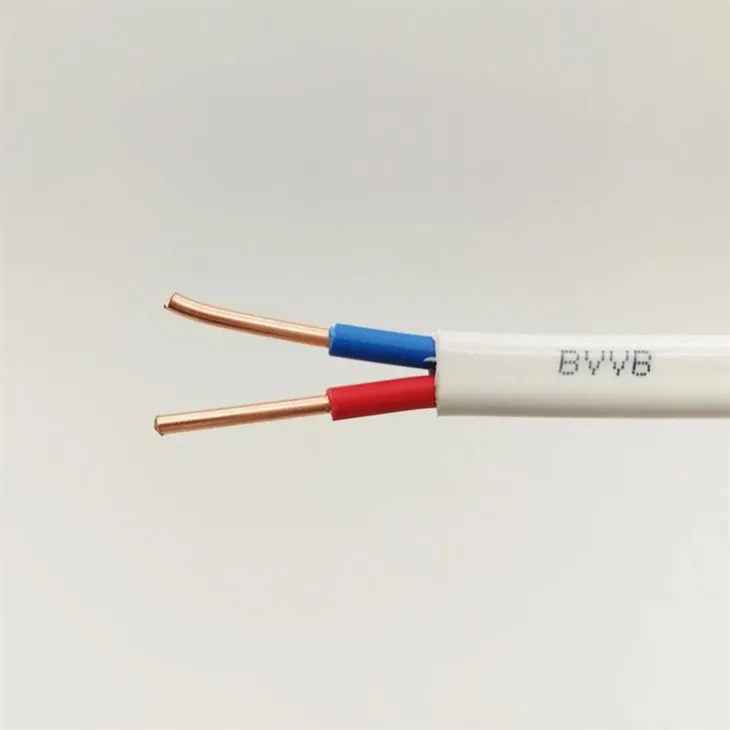

Advantages of Using 3 Core Household Wire for High - Power Appliances
If you choose the right 3 Core Household Wire for your high - power appliances, there are several advantages. Firstly, the earth wire provides an extra layer of safety. In case of a fault, the earth wire will carry the excess current safely to the ground, protecting you from electrical shocks.
Secondly, 3 Core Household Wire is relatively easy to install compared to some other types of wiring. It's also widely available, so you can easily find it at your local hardware store or order it online.
Other Considerations
When using 3 Core Household Wire for high - power appliances, you also need to consider the length of the wire. Longer wires have more resistance, which can cause a voltage drop. A significant voltage drop can affect the performance of your appliance and may even damage it.
To minimize the voltage drop, you can use a thicker wire or keep the wire length as short as possible. You might also want to use a wire with a lower resistance material, such as copper. Copper is an excellent conductor of electricity and has low resistance, making it a popular choice for electrical wiring.
Conclusion
So, can 3 Core Household Wire be used for high - power appliances? The answer is yes, but only if you choose the right wire with the appropriate gauge, insulation material, and meet all the safety standards.
At our company, we offer a wide range of 3 Core Household Wires suitable for different applications, including high - power appliances. Whether you need a wire for your house lights or for a high - power appliance, we've got you covered. Check out our Electrical Wire for House Lights and other products to find the perfect solution for your electrical needs.
If you're interested in purchasing our 3 Core Household Wires or have any questions about which wire is right for your high - power appliance, don't hesitate to get in touch. We're here to help you make the right choice and ensure the safety and efficiency of your electrical system.
References
- National Electrical Code (NEC)
- Electrical Wiring Handbook
- Appliance Manufacturer's Manuals






