Can Armoured YJV Cable be used in areas with high seismic activity?
As a supplier of Armoured YJV Cable, I often receive inquiries from customers in regions prone to high - seismic activity. They are concerned about whether our Armoured YJV Cable can withstand the harsh conditions brought about by earthquakes. In this blog, I will delve into this topic and provide a comprehensive analysis.
Understanding Armoured YJV Cable
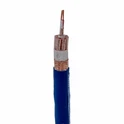
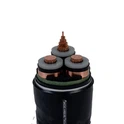
Armoured YJV Cable is a type of power cable that consists of a cross - linked polyethylene (XLPE) insulation layer, a copper conductor, and an outer armour layer. The XLPE insulation offers excellent electrical properties, such as high dielectric strength and low dielectric loss, which ensures stable power transmission. The armour layer, usually made of steel wire or steel tape, provides mechanical protection to the cable.
The structure of Armoured YJV Cable makes it more robust compared to non - armoured cables. It can resist external mechanical forces, such as impact, compression, and abrasion. This inherent strength gives us a reason to believe that it may have the potential to be used in seismic areas.
Seismic Activity and its Impact on Cables
High - seismic activity brings a series of challenges to cable systems. Earthquakes generate ground shaking, which can cause the ground to move horizontally and vertically. This movement can lead to the following problems for cables:


- Mechanical Stress: The ground movement can put significant mechanical stress on the cables. Cables may be bent, twisted, or stretched, which can damage the insulation layer and conductors. If the insulation is damaged, it can lead to electrical leakage and short - circuits, posing a threat to the power supply and safety.
- Ground Displacement: In some cases, earthquakes can cause large - scale ground displacement. Cables buried underground may be affected by the movement of the soil, which can result in the cable being pulled out of its original position or being crushed by the displaced soil.
- Vibration and Resonance: The vibration during an earthquake can also cause resonance in the cable system. Resonance can amplify the mechanical stress on the cables, increasing the risk of damage.
The Suitability of Armoured YJV Cable in High - Seismic Areas
Despite the challenges posed by seismic activity, Armoured YJV Cable has several advantages that make it a viable option for use in high - seismic areas:
- Mechanical Protection: The armour layer of the Armoured YJV Cable provides excellent mechanical protection. It can resist the impact and compression forces generated during an earthquake. For example, the steel wire or steel tape armour can prevent the cable from being easily damaged by falling debris or soil movement.
- Flexibility: Although the armour layer provides strength, Armoured YJV Cable still has a certain degree of flexibility. This flexibility allows the cable to adapt to the ground movement to some extent without being broken. It can bend and twist within a certain range without causing significant damage to the internal conductors and insulation.
- Corrosion Resistance: In addition to mechanical protection, the outer sheath of the Armoured YJV Cable is usually made of materials with good corrosion resistance. This is important in seismic areas where the cable may be exposed to moisture, soil, and other corrosive substances due to ground movement.
However, it is important to note that the suitability of Armoured YJV Cable in high - seismic areas also depends on other factors, such as the installation method and the specific seismic conditions of the area.
Installation Considerations in High - Seismic Areas
Proper installation is crucial for ensuring the performance of Armoured YJV Cable in high - seismic areas. Here are some installation considerations:
- Burial Depth: Cables should be buried at an appropriate depth to reduce the impact of ground movement. A deeper burial can provide more protection against surface - level ground shaking and displacement.
- Anchoring and Support: Cables should be properly anchored and supported to prevent excessive movement during an earthquake. This can include using cable trays, brackets, and other support structures.
- Joint Design: Cable joints are often the weakest points in the cable system. In high - seismic areas, special attention should be paid to the design and installation of cable joints. The joints should be able to withstand the mechanical stress and movement during an earthquake.
Case Studies
There have been some successful applications of Armoured YJV Cable in high - seismic areas. For example, in some earthquake - prone regions, Armoured YJV Cable has been used in power distribution systems. After several earthquakes, the cable systems have shown good performance, with only minor damage that can be easily repaired. These case studies provide evidence that Armoured YJV Cable can be used in high - seismic areas with proper installation and maintenance.
Our Product Range
As a supplier of Armoured YJV Cable, we offer a wide range of products to meet the different needs of our customers. Our product range includes Low Voltage YJV Cable, 4 C Xlpe Swa Pvc Cu Cable, and 370+235 Xlpe Cable. These cables are designed and manufactured to the highest standards, ensuring their quality and performance in various environments, including high - seismic areas.
Conclusion
In conclusion, Armoured YJV Cable can be used in areas with high seismic activity. Its mechanical protection, flexibility, and corrosion resistance make it suitable for withstanding the challenges posed by earthquakes. However, proper installation and maintenance are essential to ensure its long - term performance. If you are in a high - seismic area and are looking for a reliable cable solution, our Armoured YJV Cable products may be the right choice for you.
We are committed to providing high - quality cables and excellent customer service. If you have any questions or need more information about our products, please feel free to contact us for procurement and further discussions.
References
- Electrical Power Cable Engineering, Third Edition, by John W. McDonald
- Seismic Design of Electrical Systems, ASCE/SEI 41 - 17