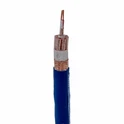
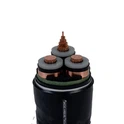
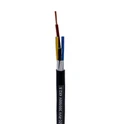
As a supplier of Electrical Control Cables, I understand the importance of proper cable storage. Electrical control cables are essential components in various industries, including automation, power distribution, and telecommunications. Incorrect storage can lead to damage, degradation, and ultimately, a decrease in the cable's performance and lifespan. In this blog, I will share some key tips on how to store electrical control cables effectively.
1. Choose the Right Storage Environment
The first step in storing electrical control cables is to select an appropriate storage environment. The ideal storage conditions should protect the cables from environmental factors that can cause damage, such as moisture, temperature extremes, sunlight, and physical impact.
- Temperature and Humidity: Cables should be stored in a dry and cool environment. High humidity can cause corrosion of the cable conductors and insulation breakdown. Ideally, the storage temperature should be between 10°C and 30°C (50°F and 86°F), and the relative humidity should be below 60%. Avoid storing cables in areas prone to condensation, such as basements or near water sources.
- Sunlight and UV Exposure: Prolonged exposure to sunlight and ultraviolet (UV) radiation can degrade the cable insulation, especially for cables with PVC insulation. Store cables in a shaded area or use opaque storage containers to protect them from UV rays.
- Physical Protection: Ensure that the storage area is free from sharp objects, heavy machinery, and other potential sources of physical damage. Cables should be stored off the ground to prevent contact with moisture and dirt. Use cable racks, pallets, or storage cabinets to keep the cables organized and protected.
2. Organize and Label Cables
Proper organization and labeling of cables are crucial for easy identification and retrieval. This not only saves time but also helps prevent damage during handling.
- Cable Racks and Shelving: Use cable racks or shelving units to store cables in an orderly manner. Arrange the cables by type, size, and length to make it easier to find the required cable quickly. Ensure that the racks and shelves are sturdy enough to support the weight of the cables.
- Labeling: Clearly label each cable or cable bundle with relevant information, such as the cable type, size, length, and application. You can use cable tags, labels, or barcode systems for this purpose. This will help you identify the cables easily and avoid confusion during installation or maintenance.
- Inventory Management: Keep an inventory of the stored cables, including details such as the quantity, location, and purchase date. This will help you track the cable usage and ensure that you have an adequate supply of cables on hand.
3. Protect Cable Ends
The cable ends are particularly vulnerable to damage during storage. Proper protection of the cable ends can prevent moisture ingress, oxidation, and mechanical damage.
- End Caps or Seals: Use end caps or seals to cover the cable ends. These caps or seals can be made of plastic, rubber, or metal and are designed to provide a tight seal to prevent moisture and dirt from entering the cable. Make sure the end caps or seals are properly installed and fit snugly on the cable ends.
- Wrapping: For longer cables, you can wrap the cable ends with electrical tape or heat-shrink tubing for additional protection. This will help prevent the cable insulation from being damaged and keep the conductors safe.
4. Consider Cable Coiling and Spooling
The way you coil or spool the cables can also affect their storage and performance.
- Coiling: When coiling cables, ensure that the coils are not too tight, as this can cause stress on the cable insulation and conductors. Use a proper coiling technique, such as the figure-eight method, to prevent kinking and tangling. Leave enough slack in the coils to allow for easy uncoiling during installation.
- Spooling: If you are using cable spools, make sure the spools are in good condition and can rotate freely. Secure the cable on the spool using appropriate fasteners to prevent it from unwinding during storage or transportation.
5. Regular Inspection and Maintenance
Regular inspection and maintenance of the stored cables are essential to ensure their quality and performance.
- Visual Inspection: Periodically inspect the cables for any signs of damage, such as cuts, abrasions, or discoloration. Check the cable insulation for cracks or swelling, and the conductors for corrosion or oxidation. If you notice any damage, take appropriate measures to repair or replace the cable.
- Testing: Conduct electrical tests on the cables at regular intervals to ensure their electrical properties are within the specified limits. This can include tests for insulation resistance, conductor resistance, and capacitance. Testing can help detect any potential issues early and prevent cable failures.
Specific Considerations for Different Cable Types
Different types of electrical control cables may have specific storage requirements. Here are some considerations for common cable types:


- PVC Insulated Control Cable: PVC insulated control cables are widely used due to their low cost and good electrical properties. However, PVC is sensitive to temperature and humidity. Store PVC insulated cables in a cool and dry environment to prevent the PVC from becoming brittle or softening. Avoid exposing them to solvents or chemicals that can damage the PVC insulation.
- Lighting Control Cable 2.5 Sy Cable: Lighting control cables are often used in lighting systems. These cables are typically smaller in size and may require more careful handling. Store them in a protected environment to prevent damage to the delicate conductors and insulation.
- PVC Lighting Control Cable: Similar to PVC insulated control cables, PVC lighting control cables should be stored in a suitable environment to prevent PVC degradation. Keep them away from heat sources and sharp objects.
Conclusion
Proper storage of electrical control cables is essential to maintain their quality and performance. By choosing the right storage environment, organizing and labeling the cables, protecting the cable ends, considering cable coiling and spooling, and conducting regular inspection and maintenance, you can ensure that your cables are in good condition when they are needed. As a supplier of Electrical Control Cables, I am committed to providing high-quality cables and offering professional advice on cable storage and usage. If you have any questions or need further information about electrical control cables, please feel free to contact me for procurement discussions.
References
- Electrical Cable Handbook, 3rd Edition
- National Electrical Code (NEC)
- International Electrotechnical Commission (IEC) standards