


Can common house wire be used in a wireless access point wiring? This is a question that often pops up among DIY enthusiasts, small - business owners, and even some professional installers. As a supplier of common house wire, I've had numerous discussions with customers about this very topic. In this blog, I'll delve into the technical aspects, pros and cons, and practical considerations of using common house wire for wireless access point wiring.
Technical Specifications of Common House Wire
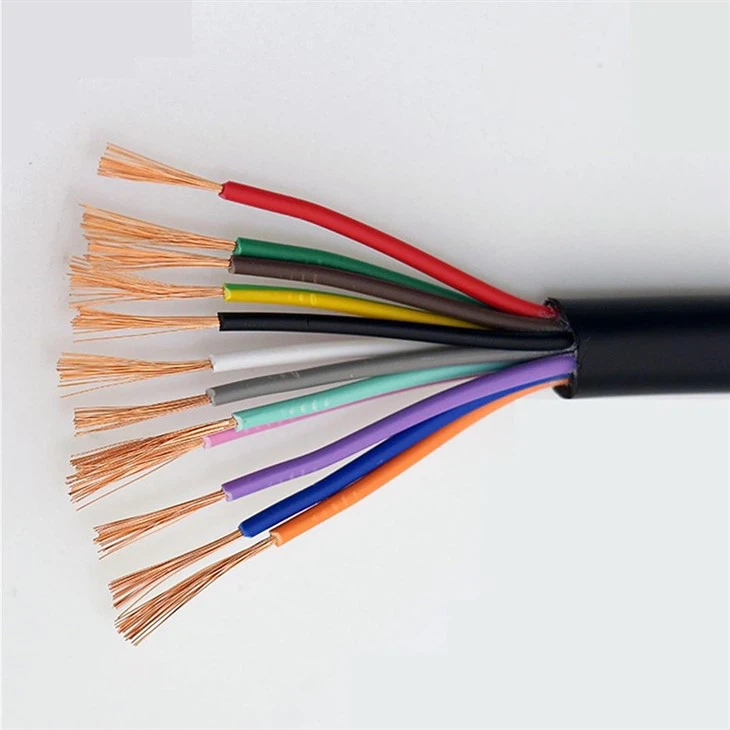
Common house wires come in a variety of types and specifications. For instance, Copper Core Polyethylene Insulated Cable is a popular choice. It features a copper core, which is an excellent conductor of electricity. Copper has low resistance, allowing for efficient transmission of electrical current. The polyethylene insulation provides good electrical insulation properties, protecting the wire from short - circuits and environmental factors.
Another common type is the 300/500V PVC Insulated Cable. PVC (Polyvinyl Chloride) insulation is known for its durability and flexibility. It can withstand a certain amount of mechanical stress and is resistant to moisture and chemicals. These wires are typically rated for 300/500V, which means they can handle electrical voltages within this range safely.
Electrical Wire for House Lights is also a type of common house wire. It is designed to carry the electrical current required to power household lighting fixtures. These wires usually have a smaller gauge compared to wires used for high - power appliances, as the power requirements of lights are relatively low.
Requirements for Wireless Access Point Wiring
Wireless access points have specific electrical and data transmission requirements. Firstly, they need a stable power supply. Most wireless access points operate on low - voltage DC power, typically 12V or 24V. They also require a reliable data connection to transmit and receive wireless signals. This data connection is often based on Ethernet standards, such as Cat5e or Cat6 cables.
In terms of power, the wire used for powering the wireless access point should be able to handle the current draw of the device without significant voltage drop. Voltage drop can cause the access point to malfunction or operate at reduced performance. For data transmission, the wire needs to have low signal attenuation and interference to ensure high - speed and stable data transfer.
Can Common House Wire Be Used?
Power Supply
In some cases, common house wire can be used for the power supply of a wireless access point. If the access point is powered through a Power over Ethernet (PoE) injector, which converts the power from the Ethernet cable to the appropriate DC voltage, common house wire can be used to connect the PoE injector to the main power source. However, it's crucial to ensure that the wire can handle the current required by the PoE injector and the access point.
For example, if the access point has a power consumption of 10W and operates at 12V, the current draw is approximately 0.83A (using the formula P = VI, where P is power, V is voltage, and I is current). A common 18 - gauge house wire can typically handle up to 7A of current, so it would be sufficient for this application. But if the access point has a higher power consumption, a thicker - gauge wire may be required.
Data Transmission
Using common house wire for data transmission to a wireless access point is generally not recommended. Common house wires are not designed to meet the strict electrical and performance requirements of Ethernet cables. They lack the proper shielding and twist ratio to minimize signal interference and attenuation. This can result in slow data speeds, dropped connections, and unreliable wireless performance.
Ethernet cables, such as Cat5e or Cat6, are specifically engineered to support high - speed data transmission over long distances. They have a standardized impedance and are tested to ensure compliance with Ethernet standards. Common house wire does not have these characteristics, so it cannot provide the same level of performance as Ethernet cables for data transmission.

Advantages of Using Common House Wire for Power
- Cost - Effective: Common house wire is generally less expensive than specialized Ethernet cables or DC power cables. This can significantly reduce the overall cost of the wiring installation, especially for small - scale projects.
- Availability: Common house wire is widely available at hardware stores and electrical supply shops. It can be easily sourced and purchased, which is convenient for DIYers and small - business owners.
Disadvantages of Using Common House Wire
- Performance Limitations: As mentioned earlier, common house wire has limitations in terms of data transmission and voltage drop. These limitations can affect the performance and reliability of the wireless access point.
- Safety Concerns: If the wire is not properly installed or is not rated for the application, it can pose a safety hazard. Overheating, short - circuits, and electrical fires are potential risks when using inappropriate wire.
Practical Considerations
- Installation: When using common house wire for powering a wireless access point, proper installation techniques should be followed. This includes using appropriate connectors, securing the wire, and protecting it from damage.
- Testing: After installation, it's important to test the power supply and the performance of the wireless access point. Check for any voltage drop, signal interference, or other issues that may affect the operation of the device.
Conclusion
In conclusion, common house wire can be used for the power supply of a wireless access point in certain situations, but it is not suitable for data transmission. When considering using common house wire, it's essential to carefully evaluate the power requirements of the access point and ensure that the wire can handle the current without significant voltage drop.
If you're planning a wireless access point wiring project and have questions about the suitability of common house wire, or if you're interested in purchasing high - quality common house wire for your needs, feel free to reach out. I'm here to provide you with professional advice and high - quality products to ensure the success of your project.
References
- Electrical Wiring Handbook, 18th Edition
- Ethernet Standards: IEEE 802.3
- Wireless Access Point Installation Guides from major manufacturers






