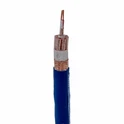
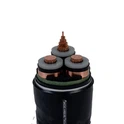
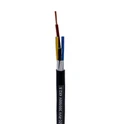
In the automotive industry, the selection of appropriate cables is crucial for ensuring the reliable operation of various electrical systems. As a supplier of Cy Screened Cable, I am often asked whether our cables can be used in automotive applications. In this blog post, I will explore the characteristics of Cy Screened Cable and evaluate its suitability for use in the automotive field.
Understanding Cy Screened Cable
Cy Screened Cable is a type of cable that features a shielding layer designed to protect the internal conductors from electromagnetic interference (EMI) and radio frequency interference (RFI). The shielding layer is typically made of materials such as copper or aluminum, which can effectively absorb and dissipate electromagnetic energy. This shielding mechanism helps to maintain the integrity of the electrical signals transmitted through the cable, reducing the risk of signal distortion and interference.
One of the key advantages of Cy Screened Cable is its ability to provide reliable performance in environments with high levels of electromagnetic noise. This makes it suitable for use in a wide range of applications, including industrial automation, telecommunications, and power distribution. However, the question remains: can Cy Screened Cable be used in automotive applications?
Requirements for Automotive Cables
Automotive applications have unique requirements that must be met by the cables used in vehicles. These requirements include:
1. Electrical Performance
Automotive cables must be able to transmit electrical signals accurately and efficiently. They need to have low resistance to minimize power loss and ensure that the electrical systems in the vehicle operate correctly. Additionally, the cables must be able to withstand high voltages and currents without overheating or experiencing electrical breakdown.
2. Mechanical Durability
Vehicles are subject to various mechanical stresses, such as vibration, shock, and bending. Automotive cables must be able to withstand these stresses without breaking or losing their electrical performance. They need to be flexible enough to be routed through the vehicle's tight spaces, yet strong enough to resist damage from abrasion and impact.
3. Temperature Resistance
Automotive environments can experience extreme temperature variations, from cold winter days to hot summer afternoons. Cables used in vehicles must be able to maintain their performance over a wide temperature range. They need to be resistant to heat, cold, and thermal cycling to ensure reliable operation in all weather conditions.


4. Chemical Resistance
Vehicles are exposed to a variety of chemicals, including fuels, oils, and cleaning agents. Automotive cables must be able to resist the effects of these chemicals to prevent degradation and ensure long-term reliability.
5. EMI/RFI Protection
In modern vehicles, there are numerous electronic systems that generate electromagnetic and radio frequency interference. Automotive cables must be able to provide effective shielding against EMI and RFI to prevent interference with other electrical components in the vehicle.
Evaluating Cy Screened Cable for Automotive Applications
Now that we understand the requirements for automotive cables, let's evaluate whether Cy Screened Cable can meet these requirements.
1. Electrical Performance
Cy Screened Cable is designed to provide excellent electrical performance. It has low resistance, which helps to minimize power loss and ensure efficient signal transmission. The shielding layer also helps to reduce electromagnetic interference, which can improve the accuracy of electrical signals. Therefore, Cy Screened Cable can meet the electrical performance requirements for automotive applications.
2. Mechanical Durability
Our Cy Screened Cable is constructed using high-quality materials that provide good mechanical durability. The cable is flexible enough to be easily routed through the vehicle's tight spaces, and it has a strong outer jacket that can resist abrasion and impact. Additionally, the shielding layer is designed to be flexible and durable, ensuring that it does not break or lose its effectiveness under mechanical stress.
3. Temperature Resistance
Cy Screened Cable is available in a variety of temperature ratings, allowing it to be used in different automotive environments. We offer cables that can withstand temperatures ranging from -40°C to 125°C, which is suitable for most automotive applications. The cable's insulation and shielding materials are also designed to maintain their performance over a wide temperature range, ensuring reliable operation in all weather conditions.
4. Chemical Resistance
Our Cy Screened Cable is resistant to a variety of chemicals, including fuels, oils, and cleaning agents. The cable's outer jacket is made of a chemical-resistant material that protects the internal conductors from damage. Additionally, the shielding layer is also resistant to chemical corrosion, ensuring that it does not lose its effectiveness over time.
5. EMI/RFI Protection
As mentioned earlier, Cy Screened Cable is designed to provide effective shielding against EMI and RFI. The shielding layer can absorb and dissipate electromagnetic energy, reducing the risk of interference with other electrical components in the vehicle. This makes Cy Screened Cable an ideal choice for automotive applications where EMI and RFI protection is crucial.
Examples of Cy Screened Cable in Automotive Applications
There are several automotive applications where Cy Screened Cable can be used effectively. Some examples include:
1. Engine Control Systems
Engine control systems in vehicles rely on accurate electrical signals to operate correctly. Cy Screened Cable can be used to connect the various sensors and actuators in the engine control system, ensuring that the signals are transmitted accurately and without interference.
2. Infotainment Systems
Modern vehicles are equipped with sophisticated infotainment systems that include features such as touchscreens, navigation systems, and audio players. Cy Screened Cable can be used to connect these components, providing reliable signal transmission and protecting against EMI and RFI.
3. Lighting Systems
Automotive lighting systems, including headlights, taillights, and interior lights, require cables that can withstand high currents and provide reliable electrical connections. Cy Screened Cable can be used in these applications to ensure that the lights operate correctly and without flickering.
4. Safety Systems
Safety systems in vehicles, such as airbags, anti-lock braking systems (ABS), and electronic stability control (ESC), rely on accurate electrical signals to function properly. Cy Screened Cable can be used to connect the sensors and actuators in these systems, ensuring that they operate correctly in critical situations.
Conclusion
Based on the evaluation of Cy Screened Cable's performance and the requirements for automotive cables, it is clear that Cy Screened Cable can be used in automotive applications. Our cables meet the electrical, mechanical, temperature, chemical, and EMI/RFI protection requirements for vehicles, making them a reliable choice for a wide range of automotive applications.
If you are interested in using Cy Screened Cable in your automotive applications, we offer a variety of products to meet your needs. For example, our 10*2 Control Cable is suitable for applications that require a specific number of conductors. Our Copper Shielded Control Cable provides excellent EMI/RFI protection with a copper shielding layer. And our Multi-core Shielded Control Cable is ideal for applications that require multiple conductors.
We are committed to providing high-quality cables and excellent customer service. If you have any questions or would like to discuss your specific requirements, please feel free to contact us. We look forward to working with you to find the best cable solutions for your automotive applications.
References
- "Automotive Electrical Systems: Principles and Repair" by William H. Crouse and Donald L. Anglin
- "Electromagnetic Compatibility in Automotive Systems" by Thomas H. Lee
- "Cable Design and Installation Handbook" by John W. McDonald