Hey there! As an outdoor electrical cable supplier, I often get asked about the difference between indoor/outdoor rated and strictly outdoor electrical cables. It's a crucial topic, especially for those working on electrical projects where the right cable can make all the difference in terms of safety, performance, and longevity. So, let's dive right in and break it down.
What Does "Indoor/Outdoor Rated" Mean?
Indoor/outdoor rated cables are designed to be used in both indoor and outdoor environments. They're like the all - rounders of the cable world. These cables are built to withstand a certain level of exposure to the elements while also being suitable for indoor use.
One of the key features of indoor/outdoor rated cables is their insulation. They usually have a type of insulation that can resist moisture to some extent. This is important because even in an outdoor setting, there might be splashes of water, dew, or light rain. But it's not as heavy - duty as the insulation on strictly outdoor cables.
For example, an indoor/outdoor rated cable might be used in a backyard shed where it's mostly protected from the elements but could still get a bit wet. Or, it could be used to run power from an indoor electrical panel to a small outdoor device like a garden light.
The Characteristics of Strictly Outdoor Electrical Cables
Now, let's talk about strictly outdoor electrical cables. These cables are specifically engineered to handle the harshest outdoor conditions. They're like the tough guys of the cable industry.
Weather Resistance
Outdoor cables are built to withstand all kinds of weather. Rain, snow, extreme heat, and cold are no match for them. Their insulation is much thicker and more durable than that of indoor/outdoor rated cables. For instance, they can resist UV rays from the sun, which can cause normal insulation to break down over time. If you've ever seen a cable that's been left out in the sun for too long and has become brittle, that's a sign of UV damage. Outdoor cables are designed to avoid this.
Durability Against Physical Damage
In an outdoor environment, there's a higher risk of physical damage. Animals might chew on the cables, or they could be accidentally hit by tools or equipment. Outdoor cables are made with tougher outer jackets to protect them from these kinds of damages. They're often made of materials like polyethylene or PVC, which are strong and resistant to abrasion.
Chemical Resistance
Outdoor cables also need to be resistant to chemicals. In a garden, there might be fertilizers, pesticides, or other chemicals that could come into contact with the cables. A strictly outdoor cable is designed to resist the corrosive effects of these chemicals.


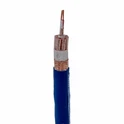
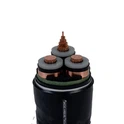
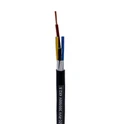
Let's take a look at some of the products we offer as an outdoor electrical cable supplier. We have the Halogen - free Multi - core Copper Cable. This cable is great for outdoor use because it's halogen - free, which means it won't release toxic gases if there's a fire. It's also multi - core, which makes it suitable for carrying multiple electrical signals or power sources.
Another product is the 0.6/kv 5 Core 25 Mm2 Flexible Cable. This cable is not only flexible, which makes it easy to install in different outdoor settings, but it also has a 5 - core design, allowing for more complex electrical connections. And with a 25 Mm2 cross - sectional area, it can handle a relatively high amount of electrical current.
We also offer the Xlpe Insulation Outdoor Cable. XLPE (Cross - Linked Polyethylene) insulation is known for its excellent electrical properties and resistance to heat and moisture. The PVC jacket on top of it adds an extra layer of protection against physical damage and environmental factors.
Installation Considerations
When it comes to installation, there are also differences between using indoor/outdoor rated and strictly outdoor cables.
Indoor/Outdoor Rated Cables
Indoor/outdoor rated cables are generally easier to install. Since they're designed for both indoor and outdoor use, they don't require as much special handling. You can use standard electrical installation techniques. However, you still need to make sure that the cable is properly secured and protected from any potential sources of damage.
Strictly Outdoor Cables
Installing strictly outdoor cables requires a bit more care. You need to make sure that the cable is buried at the right depth if it's being installed underground. This is to protect it from being damaged by digging or other ground - related activities. Also, when running the cable above ground, you need to use proper cable supports to prevent it from sagging or getting damaged by wind or other forces.
Safety First
Safety is always a top priority when dealing with electrical cables. Both indoor/outdoor rated and strictly outdoor cables need to meet certain safety standards.
Indoor/outdoor rated cables should be used within their specified limits. For example, don't use them in an area where they'll be constantly submerged in water, as this could lead to electrical shorts and pose a safety hazard.
Strictly outdoor cables, on the other hand, are designed to be safer in outdoor environments. But you still need to follow proper installation procedures. For instance, make sure that all connections are properly insulated and that the cable is grounded correctly.
Cost Comparison
In general, strictly outdoor electrical cables are more expensive than indoor/outdoor rated cables. This is because of the extra materials and engineering that go into making them weather - resistant, durable, and chemical - resistant. However, it's important to remember that the cost is an investment. If you use a cheaper indoor/outdoor rated cable in a harsh outdoor environment, it might need to be replaced more frequently, which could end up costing you more in the long run.
Conclusion
So, to sum it up, the main difference between indoor/outdoor rated and strictly outdoor electrical cables lies in their design, durability, and the environments they're meant for. Indoor/outdoor rated cables are more versatile and can be used in both indoor and mild outdoor settings. Strictly outdoor cables, on the other hand, are built to handle the toughest outdoor conditions.
If you're working on an outdoor electrical project, it's crucial to choose the right cable. Don't cut corners and use an indoor/outdoor rated cable when you really need a strictly outdoor cable. It could lead to safety issues and costly repairs down the line.
As an outdoor electrical cable supplier, we're here to help you make the right choice. Whether you need a cable for a small backyard project or a large - scale outdoor installation, we've got the products you need. If you're interested in learning more about our products or have any questions about choosing the right cable, feel free to reach out to us. We're always happy to have a chat and help you with your electrical cable needs.
References
- Electrical Wiring Handbook, various editions
- National Electrical Code (NEC) standards related to outdoor cable installation
- Industry research on cable durability and weather resistance