Hey there! As a supplier of Household Insulated Wire, I often get asked some interesting questions about where and how our wires can be used. One question that popped up quite a bit lately is, "Can household insulated wire be used in a TV?" Let's dig into this topic and find out.

Understanding Household Insulated Wire
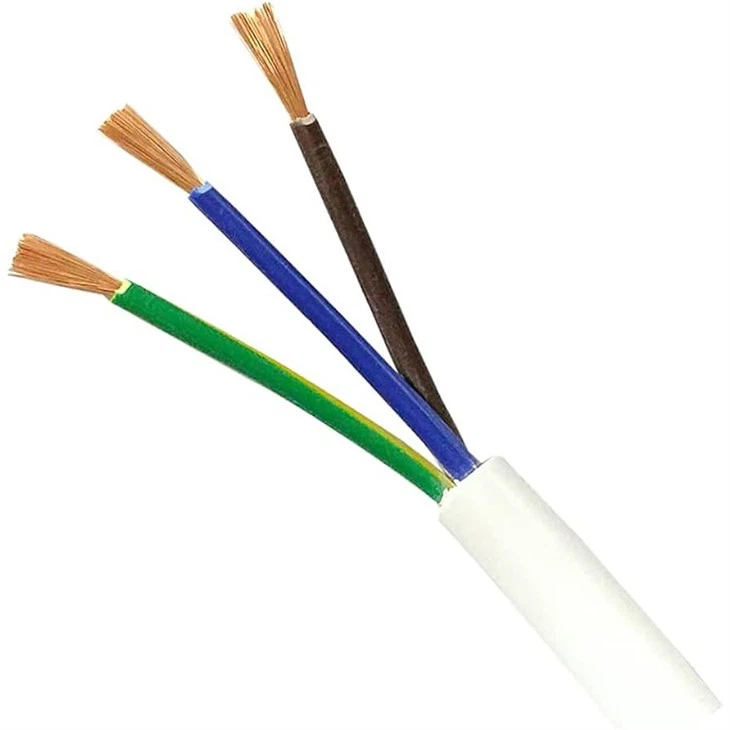
First off, let's talk about what household insulated wire is. It's the kind of wire you'll find in most homes, used for all sorts of electrical connections. There are different types, like the 300/500V PVC Insulated Cable and Common House Wire. These wires are designed to handle the electrical loads typically found in a home environment, like powering lights, appliances, and other devices.
The insulation on these wires is super important. It keeps the electrical current flowing inside the wire and prevents it from coming into contact with other objects or people, which could cause a short circuit or an electric shock. The insulation material is usually made of PVC (polyvinyl chloride) or other non - conductive materials.
How a TV Works Electrically
Now, let's take a look at how a TV works. A TV is a complex electronic device. It has a power supply unit that takes the incoming electrical current from the wall outlet and converts it into the different voltages needed by the various components inside the TV. These components include the display panel, the audio system, and the control circuits.
The electrical requirements of a TV are very specific. Different parts of the TV need different levels of voltage and current. For example, the display panel might need a high - voltage source to light up the pixels, while the control circuits might need a low - voltage, stable power supply.
Reasons Why Household Insulated Wire Might Not Be Suitable for a TV
Voltage and Current Requirements
As mentioned earlier, the electrical requirements of a TV are precise. Household insulated wires are generally designed for standard household voltages (usually 110V or 220V depending on your location). Inside a TV, there are both high - voltage and low - voltage circuits. Using household insulated wire might not be able to handle the specific voltage and current requirements of these internal circuits.
For instance, the high - voltage circuits in a TV can generate thousands of volts. Regular household insulated wire is not designed to handle such high voltages safely. If you use it in these high - voltage areas, there's a risk of the insulation breaking down, which could lead to a short circuit and potentially damage the TV or even cause a fire.
Signal Transmission
A TV also has to deal with signal transmission. There are digital and analog signals that need to be sent between different components within the TV. Household insulated wire is mainly designed for power transmission, not for signal transmission. The electrical characteristics of these wires, such as impedance and capacitance, are not optimized for carrying signals. This could result in signal loss, interference, and poor picture or sound quality.
Space and Flexibility
TVs are designed to be compact and sleek. The internal wiring in a TV needs to be flexible and take up as little space as possible. Household insulated wires are often thicker and less flexible compared to the specialized wires used in TV manufacturing. Using household insulated wire might not fit well into the tight spaces inside a TV and could make the assembly process more difficult.
Situations Where You Might Consider Using Household Insulated Wire in a TV
External Power Cord Replacement
One situation where you might consider using household insulated wire is if you need to replace the external power cord of your TV. The external power cord usually connects the TV to the wall outlet and only needs to handle the standard household voltage. In this case, as long as you choose the right gauge of household insulated wire (to handle the current drawn by the TV), it can be a viable option.
DIY TV Repairs (with Caution)
If you're doing some DIY TV repairs and you need to make a simple connection on the outside of the TV, such as connecting an external speaker or a device to the TV's power supply, you might be able to use household insulated wire. However, you need to be extremely careful. Make sure you understand the electrical requirements of the connection and that you follow all safety procedures.
Safety Considerations
Whether you're using household insulated wire in a TV or not, safety should always be your top priority. If you're not experienced in handling electrical repairs, it's best to leave it to a professional. Electrical work can be dangerous, and a simple mistake can have serious consequences.
When working with any electrical device, make sure to unplug it from the power source first. Wear appropriate safety gear, such as insulated gloves, and use the right tools. If you're unsure about anything, consult an electrician or a TV repair expert.
Making the Right Choice
In general, it's best to use the specialized wires that are designed for use in TVs. These wires are made to meet the specific electrical and physical requirements of TV components. However, if you do need to use household insulated wire in certain situations, make sure you do your research and understand the risks involved.
As a supplier of Household Insulated Wire, I can offer a wide range of high - quality wires that are suitable for various household applications. If you have any questions about our products or need advice on electrical wiring, feel free to reach out. We're here to help you make the right choice for your electrical needs.
If you're interested in purchasing our household insulated wire for your home projects or other applications, don't hesitate to contact us. We can provide you with detailed product information and help you find the best wire for your specific requirements. Let's work together to ensure your electrical systems are safe and efficient.
References
- Electrical Engineering Handbook, Third Edition, CRC Press
- TV Technology and Maintenance Manuals