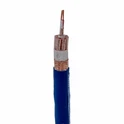
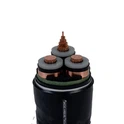
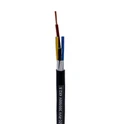
As an established supplier of armoured cables, I understand the importance of accurate cable cutting in various electrical projects. Whether you're a professional electrician, a DIY enthusiast, or involved in large - scale industrial installations, cutting armoured cable precisely is crucial for safety, performance, and overall project success. In this blog, I'll share some in - depth insights on how to cut armoured cable accurately.
Understanding Armoured Cable
Before we dive into the cutting process, it's essential to understand what armoured cable is. Armoured cables are designed to provide extra protection to the electrical conductors inside. They typically consist of one or more conductors, insulation around the conductors, an armour layer (usually made of steel wires or tapes), and an outer sheath. This construction makes them suitable for use in harsh environments, including underground installations, industrial settings, and areas where the cable may be exposed to mechanical damage.
We offer a wide range of armoured cables, such as the Armoured 3 Core Power Cable, 4 Core Low Voltage Power Cable, and XLPE Insulated Underground Power Cable. Each type has its own unique characteristics and applications, but the general principles of cutting remain similar.
Tools Required for Cutting Armoured Cable
To cut armoured cable accurately, you'll need the right tools. Here are some essential tools:
- Cable Cutters: High - quality cable cutters are a must. They come in different sizes and designs, depending on the cable diameter. For smaller armoured cables, hand - held cable cutters may be sufficient. However, for larger cables, power - operated cable cutters are more appropriate.
- Hacksaw: A hacksaw can be used to cut through the armour layer, especially if the cable cutters are not suitable for the job. Make sure to use a fine - tooth blade for a clean cut.
- Insulation Strippers: These are used to remove the outer sheath and insulation from the cable after cutting, exposing the conductors.
- Measuring Tape: To measure the required length of the cable accurately before cutting.
- Safety Equipment: Safety goggles, gloves, and ear protection are essential to protect yourself from flying debris and noise during the cutting process.
Step - by - Step Guide to Cutting Armoured Cable
Step 1: Plan and Measure
Before you start cutting, carefully plan the cable installation. Determine the exact length of the cable you need and mark it using a measuring tape. It's always a good idea to add a little extra length to account for any unforeseen circumstances.
Step 2: Prepare the Work Area
Ensure that the work area is clean, dry, and well - lit. Remove any obstacles that may interfere with the cutting process. Lay out the cable in a straight line to make the cutting easier.
Step 3: Wear Safety Equipment
Put on safety goggles, gloves, and ear protection to protect yourself from potential hazards.
Step 4: Cut the Outer Sheath
Use insulation strippers or a sharp knife to carefully cut through the outer sheath of the cable. Start at the marked point and make a longitudinal cut along the length of the sheath. Be careful not to damage the armour layer or the conductors inside.
Step 5: Expose the Armour Layer
Once the outer sheath is removed, you'll expose the armour layer. If the cable has a steel wire armour, you can use cable cutters or a hacksaw to cut through the wires. For a steel tape armour, a sharp knife or cable cutters may be used. Make sure to cut through all the armour wires or tape evenly.
Step 6: Cut the Conductors
After cutting through the armour layer, use cable cutters to cut through the conductors at the marked point. Make sure the cut is clean and straight.
Step 7: Remove the Armour and Insulation
Use insulation strippers to remove the remaining armour and insulation from the conductors, exposing them for connection.
Step 8: Inspect the Cut
Inspect the cut end of the cable to ensure that it is clean and free from any damage. Check the conductors for any signs of nicks or cuts, as this can affect the electrical performance of the cable.
Tips for Accurate Cutting
- Use the Right Tools: Using the appropriate tools for the job is crucial for accurate cutting. Make sure your tools are sharp and in good condition.
- Take Your Time: Rushing the cutting process can lead to mistakes. Take your time to measure, mark, and cut the cable accurately.
- Practice on Scrap Cable: If you're new to cutting armoured cable, practice on a scrap piece of cable first to get a feel for the process.
- Follow Manufacturer's Instructions: Always follow the manufacturer's instructions for cutting and installing the cable. Different types of armoured cables may have specific requirements.
Common Mistakes to Avoid
- Cutting Too Short: Cutting the cable too short can lead to problems during installation. Always measure twice and cut once.
- Damaging the Conductors: Be careful not to damage the conductors while cutting the outer sheath, armour layer, or insulation.
- Not Using Safety Equipment: Failure to wear safety equipment can result in serious injuries. Always prioritize safety.
Conclusion
Cutting armoured cable accurately is a skill that requires the right tools, knowledge, and practice. By following the steps outlined in this blog and using the tips provided, you can ensure that your cable cutting is precise and safe.


If you're in the market for high - quality armoured cables, we're here to help. Our wide range of products, including the Armoured 3 Core Power Cable, 4 Core Low Voltage Power Cable, and XLPE Insulated Underground Power Cable, are designed to meet the highest industry standards. Contact us to discuss your cable requirements and start a procurement negotiation.
References
- Electrical Installation Guide, National Electrical Code.
- Cable Manufacturer's Manuals.