


Hey there! I'm a supplier of household wire, and I often get asked if automotive wire can be used for household electrical work. It's a question that makes a lot of sense, especially when you're trying to save a few bucks or you've got some extra automotive wire lying around. So, let's dive into this topic and figure out if it's a good idea or a big no-no.
First off, let's talk about what automotive wire is. Automotive wire is designed to work in vehicles, which have a whole different set of conditions compared to our homes. In a car, the electrical system runs on a 12-volt DC (direct current) power supply. The wire in cars needs to be flexible because it has to bend and move as the vehicle vibrates and the parts shift around. It also has to withstand high temperatures under the hood, exposure to oil, fuel, and other automotive fluids.
On the other hand, household electrical systems operate on a 120-volt or 240-volt AC (alternating current) power supply. The requirements for household wire are focused on safety, durability, and compliance with building codes. The wire needs to be able to handle the higher voltage without overheating or causing a fire hazard. It also has to be installed in a way that protects it from physical damage and environmental factors like moisture.
One of the biggest issues with using automotive wire for household electrical work is the voltage rating. Automotive wire is typically rated for low voltages, usually around 12 volts. When you use this wire in a household electrical system with much higher voltages, it can overheat. Overheating can cause the insulation on the wire to melt, which can lead to short circuits, electrical fires, and even electrocution. This is a serious safety risk that you definitely don't want to take.
Another problem is the insulation. Automotive wire insulation is designed to resist oil, fuel, and heat, but it may not be as good at protecting against moisture and physical damage as household wire insulation. In a home, wires are often installed in walls, ceilings, and floors, where they can be exposed to moisture from leaks or high humidity. The insulation on household wire is specifically designed to prevent moisture from getting in and causing corrosion or electrical problems.
Building codes also play a crucial role here. In most places, there are strict regulations about the type of wire that can be used in household electrical work. These codes are in place to ensure the safety of the occupants of the home. Using automotive wire instead of approved household wire can result in your electrical installation not passing inspection. This means you'll have to go back and replace the wire, which can be a costly and time-consuming process.
Now, let's talk about the benefits of using proper household wire. When you choose the right wire for your home, you're investing in safety and peace of mind. Household wire is designed to meet the specific requirements of your home's electrical system. It's tested and certified to ensure that it can handle the voltage, current, and environmental conditions in your home.

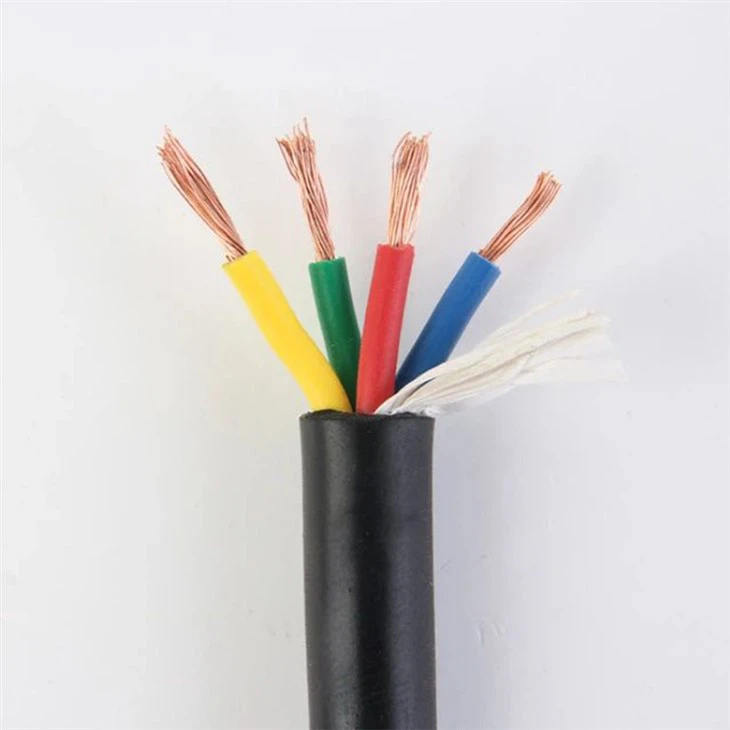
For example, 300/500V PVC Insulated Cable is a great option for many household electrical applications. The PVC insulation provides excellent protection against moisture, heat, and physical damage. It's also flexible enough to make installation easier.
Another popular choice is 3 Core Household Wire. This type of wire is commonly used for circuits that require three conductors, such as those for appliances or lighting. The three cores are insulated separately and then bundled together, which helps to prevent interference and ensures a stable electrical connection.
If you're looking for high-quality household wire, Household Insulated Wire is a great option. It's manufactured to strict standards and is available in a variety of sizes and configurations to meet your specific needs.
In conclusion, while it might be tempting to use automotive wire for household electrical work, it's not a good idea. The differences in voltage ratings, insulation, and building code requirements make automotive wire unsuitable for most household applications. By using proper household wire, you can ensure the safety and reliability of your home's electrical system.
If you're in the market for household wire, I'd love to help you find the right products for your project. Whether you're doing a small DIY job or a large-scale electrical installation, I've got the knowledge and experience to assist you. Don't hesitate to reach out if you have any questions or if you're ready to start the purchasing process. Let's work together to make your home's electrical system safe and efficient.
References:
- National Electrical Code (NEC)
- Automotive Wiring Standards and Specifications
- Building Codes for Household Electrical Installations






