Hey there! As a household wire supplier, I often get asked about the difference between solid and stranded household wire. It's a topic that might seem a bit technical at first, but it's actually pretty straightforward once you break it down. So, let's dive right in and explore what sets these two types of wires apart.
What is Solid Household Wire?
Solid household wire is, well, exactly what it sounds like. It's made up of a single, solid conductor. Usually, this conductor is made of copper or aluminum, with copper being the more common choice because of its excellent conductivity. You'll often find solid wire in residential wiring for things like outlets, switches, and lighting fixtures.
One of the big advantages of solid wire is its durability. Since it's a single piece of metal, it's less likely to break or fray compared to stranded wire. This makes it a great choice for permanent installations where the wire won't be moved around a lot. It also has better conductivity in general because there's a continuous path for the electrical current to flow through.
Another plus is that solid wire is easier to terminate. That means it's simpler to connect to things like outlets and switches. You just strip the insulation off the end and screw it into place. It doesn't require any special tools or techniques, which makes it a favorite among DIYers and professional electricians alike.
However, solid wire isn't without its drawbacks. It's not very flexible, which can make it a pain to work with in tight spaces or when you need to bend it around corners. If you try to bend it too much, it can crack or break, especially if it's made of a harder metal like aluminum.
What is Stranded Household Wire?
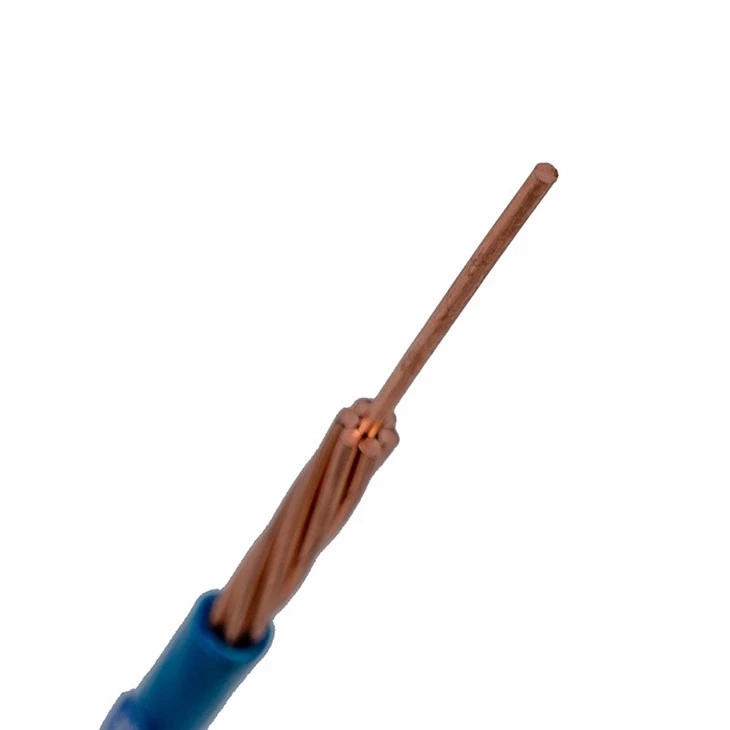
Stranded household wire, on the other hand, is made up of multiple small strands of conductor twisted together. Just like solid wire, it can be made of copper or aluminum, but copper is still the go-to for most applications. You'll typically see stranded wire used in things like extension cords, appliances, and other devices where the wire needs to be flexible.
The main advantage of stranded wire is its flexibility. Because it's made up of multiple strands, it can bend and flex without breaking. This makes it ideal for applications where the wire will be moved around a lot, like in a vacuum cleaner cord or a lamp cord. It also reduces the risk of fatigue failure, which is when a wire breaks due to repeated bending.
Stranded wire also has better resistance to vibration. If you have a device that vibrates a lot, like a power tool, using stranded wire can help prevent the wire from breaking over time. This is because the multiple strands can absorb the vibrations better than a single solid conductor.
But stranded wire also has its downsides. It's more expensive than solid wire because it takes more time and materials to manufacture. It's also a bit more difficult to terminate because you need to make sure all the strands are properly aligned and secured. If you don't do it right, it can lead to a poor connection and potential electrical problems.
Key Differences Between Solid and Stranded Household Wire
Now that we've covered the basics of each type of wire, let's take a closer look at the key differences between them.

Flexibility
As we mentioned earlier, flexibility is one of the biggest differences between solid and stranded wire. Solid wire is rigid and not very flexible, while stranded wire can bend and flex easily. This makes stranded wire the better choice for applications where the wire needs to be moved around or bent frequently.
Conductivity
In general, solid wire has better conductivity than stranded wire. This is because there's a continuous path for the electrical current to flow through in a solid conductor. However, the difference in conductivity is usually negligible for most household applications. As long as you're using the right gauge of wire for the job, both solid and stranded wire will work just fine.
Durability
Solid wire is more durable than stranded wire when it comes to physical damage. It's less likely to break or fray, especially if it's installed in a location where it won't be moved around a lot. However, stranded wire is more resistant to vibration and fatigue failure, which makes it a better choice for applications where the wire will be subjected to a lot of movement.
Cost
Solid wire is usually cheaper than stranded wire. This is because it's simpler to manufacture and requires less material. If you're on a budget and don't need the extra flexibility of stranded wire, solid wire is the way to go.
Termination
Terminating solid wire is easier than terminating stranded wire. You just strip the insulation off the end and screw it into place. With stranded wire, you need to make sure all the strands are properly aligned and secured before you can connect it. This can be a bit more time-consuming and requires a bit more skill.
Which Type of Wire Should You Choose?
So, which type of wire should you choose for your household wiring project? Well, it depends on the specific application. Here are some general guidelines to help you make the right decision:
- If you need a wire that's flexible and can be moved around a lot, choose stranded wire. This includes things like extension cords, appliance cords, and power tools.
- If you need a wire that's durable and won't break easily, choose solid wire. This includes things like permanent installations in walls, ceilings, and floors.
- If you're on a budget and don't need the extra flexibility of stranded wire, choose solid wire. It's usually cheaper and easier to work with.
- If you're not sure which type of wire to choose, consult a professional electrician. They can help you determine the best wire for your specific application based on factors like voltage, amperage, and the length of the wire run.
Our Products
At our company, we offer a wide range of Household Insulated Wire and Common House Wire in both solid and stranded varieties. Our wires are made from high-quality materials and are designed to meet the needs of residential and commercial applications. Whether you're a DIYer or a professional electrician, we have the wire you need to get the job done right.
If you're interested in learning more about our products or have any questions about solid and stranded household wire, feel free to contact us. We're always happy to help!
Conclusion
In conclusion, the difference between solid and stranded household wire comes down to flexibility, conductivity, durability, cost, and termination. Solid wire is more durable and has better conductivity, but it's not very flexible. Stranded wire is more flexible and resistant to vibration, but it's more expensive and harder to terminate. When choosing between the two, consider the specific application and your budget. And if you're not sure which type of wire to choose, don't hesitate to consult a professional.
Thanks for reading! I hope this blog post has helped you understand the difference between solid and stranded household wire. If you have any questions or comments, feel free to leave them below.
References
- Electrical Wiring Handbook, 18th Edition
- National Electrical Code (NEC)
- UL Standards for Electrical Wires and Cables