


Can underground electrical wire be used for a backup power system? That's a question I get asked a lot as a supplier of underground electrical wire. And the short answer is yes, it can. But there's a lot more to it than that, so let's dive in and explore this topic in more detail.
First off, let's talk about what a backup power system is. Simply put, it's a setup that kicks in when the main power grid fails. This could be a generator, a battery bank, or some other source of electricity that keeps your lights on, your fridge running, and your essential appliances working during an outage. And when it comes to getting that backup power from the source to your home or business, underground electrical wire can be a great option.
One of the biggest advantages of using underground electrical wire for a backup power system is protection. When you bury the wire underground, it's shielded from the elements, like wind, rain, snow, and even sunlight. This means it's less likely to get damaged by weather-related events, which can be a real problem for above-ground wires. For example, a strong storm could knock down a tree branch and damage an overhead wire, cutting off your power. But with underground wire, that risk is significantly reduced.
Another benefit is safety. Underground wires are out of the way, so there's less chance of someone accidentally coming into contact with them. This is especially important in areas with high foot traffic or where children and pets play. You don't have to worry about someone tripping over a wire or getting electrocuted. And in the case of a backup power system, safety is crucial, because you want to make sure that the power is delivered to your home or business without any hazards.
Now, let's talk about the types of underground electrical wire that are suitable for a backup power system. One popular option is the 2.0 Awg Copper Underground Wire. Copper is a great conductor of electricity, which means it can carry a lot of power with minimal loss. And the 2.0 AWG (American Wire Gauge) size is thick enough to handle the high currents that a backup power system might require. This wire is also durable and resistant to corrosion, so it can last for a long time underground.
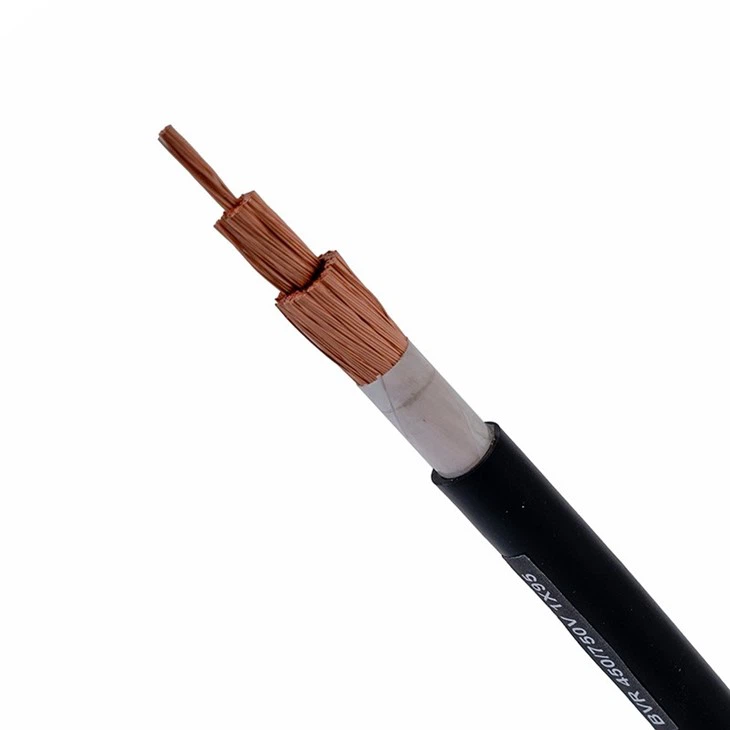
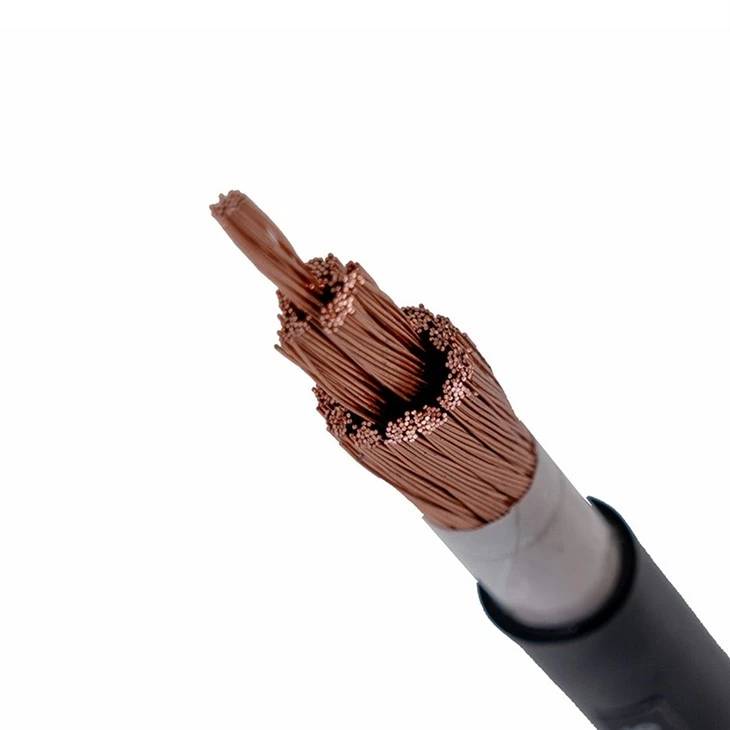
If you're looking for a factory-direct option, you might want to check out the 2.0 Awg Copper Underground Wire. Buying directly from the factory can often save you money, and you can be sure that you're getting a high-quality product. The factory can also provide you with more information about the wire's specifications and performance, so you can make an informed decision.
For larger backup power systems that require a 100-amp service, the Underground Electrical Wire for 100 Amp Service is a great choice. This wire is designed to handle the high amperage and voltage that a 100-amp service demands. It's also built to withstand the rigors of being buried underground, so you can trust it to deliver reliable power during an outage.
However, using underground electrical wire for a backup power system isn't without its challenges. One of the main issues is installation. Burying the wire underground requires some specialized equipment and knowledge. You need to dig a trench to the right depth and width, and you have to make sure that the wire is installed correctly to avoid any problems. It's not a job that you can just do on your own unless you have some experience with electrical work. So, it's usually a good idea to hire a professional electrician to handle the installation.
Another challenge is maintenance. While underground wires are generally more durable than above-ground wires, they still need to be inspected and maintained regularly. You need to check for any signs of damage, like cracks or breaks in the insulation, and make sure that the connections are tight. If you notice any problems, you should have them fixed as soon as possible to prevent further damage and ensure the safety of your backup power system.
Cost is also a factor to consider. Underground electrical wire can be more expensive than above-ground wire, not only because of the wire itself but also because of the installation costs. You have to pay for the labor to dig the trench and install the wire, as well as any permits that might be required. But in the long run, the benefits of using underground wire, like protection and safety, can outweigh the initial investment.
So, if you're thinking about setting up a backup power system and you're considering using underground electrical wire, here are some tips to help you make the right decision. First, assess your power needs. Figure out how much power your essential appliances and equipment require during an outage. This will help you determine the size and type of wire that you need.
Next, choose a reputable supplier. As a supplier myself, I know how important it is to provide high-quality products and good customer service. Look for a supplier that has a good reputation in the industry and can provide you with the information and support you need.
Finally, don't forget about installation and maintenance. Hire a professional electrician to install the wire, and make sure that you schedule regular inspections to keep the system in good working condition.
In conclusion, underground electrical wire can definitely be used for a backup power system. It offers protection, safety, and reliability, but it also comes with some challenges that you need to be aware of. By choosing the right wire, hiring a professional for installation, and maintaining the system properly, you can ensure that your backup power system works when you need it most.
If you're interested in learning more about our underground electrical wire products or have any questions about using them for a backup power system, I'd love to hear from you. Feel free to reach out and start a conversation about your specific needs. We can work together to find the best solution for your backup power requirements.
References
- Electrical Wiring Handbook, various editions
- National Electrical Code (NEC) standards
- Industry research on underground electrical wire performance


