


When it comes to setting up a landscape irrigation system, one of the critical decisions you'll face is choosing the right wiring. A common question that often arises is whether underground electrical wire can be used for a landscape irrigation system. As a supplier of high - quality underground electrical wires, I'm here to shed light on this topic and provide you with all the necessary information to make an informed decision.
Understanding Landscape Irrigation Systems
Before delving into the suitability of underground electrical wires, it's essential to understand the basic components and requirements of a landscape irrigation system. These systems typically consist of a controller, valves, and sometimes pumps. The controller is responsible for regulating the timing and duration of watering, while the valves control the flow of water to different zones in the landscape. Pumps, if present, are used to increase water pressure.
All these components need a reliable power source to function properly. Electrical wiring is used to connect the controller to the valves and pumps, enabling seamless operation. The wiring must be able to withstand various environmental conditions, including moisture, temperature fluctuations, and physical stress.
Advantages of Using Underground Electrical Wire for Landscape Irrigation
Protection from the Elements
Underground electrical wires are designed to be buried in the ground, which provides excellent protection from harsh weather conditions. Rain, snow, and sunlight can cause damage to exposed wires over time, leading to short circuits or other electrical problems. By burying the wire, you shield it from direct exposure to these elements, increasing its lifespan and reducing the risk of malfunctions.
Aesthetic Appeal
One of the significant benefits of using underground electrical wire for a landscape irrigation system is the aesthetic improvement it offers. Exposed wires can be an eyesore, detracting from the beauty of your landscape. Underground wiring, on the other hand, remains hidden beneath the surface, allowing your garden or lawn to look its best without any unsightly wires ruining the view.

Safety
Underground electrical wires are safer than above - ground wires. They are less likely to be damaged by accidental contact, such as being stepped on or hit by gardening equipment. This reduces the risk of electrical shocks and other safety hazards, making your landscape a safer place for you, your family, and your pets.
Types of Underground Electrical Wires Suitable for Landscape Irrigation
6/3 with Ground Direct Burial Wire
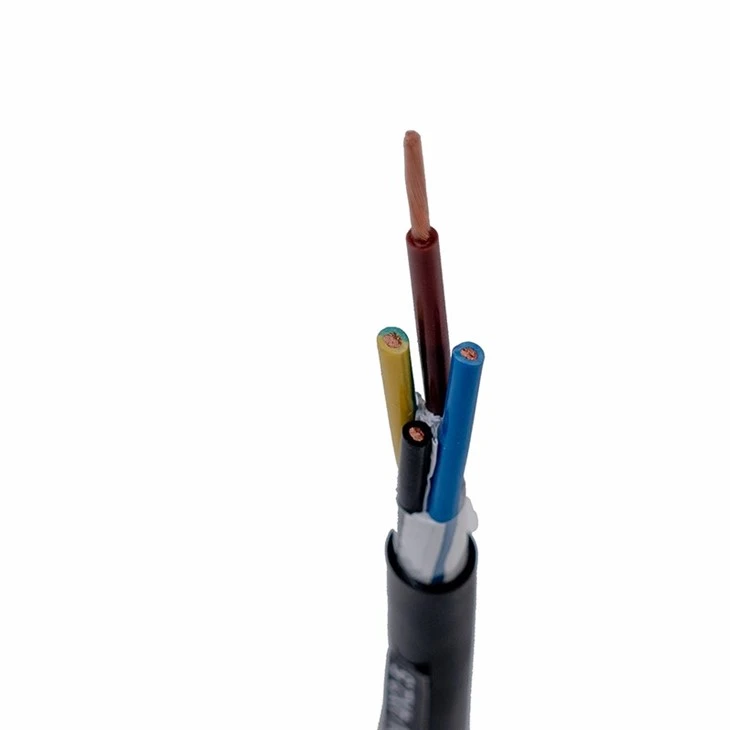
The 6/3 with Ground Direct Burial Wire is an excellent choice for landscape irrigation systems. It is specifically designed for direct burial applications, which means it can be placed directly in the ground without the need for a conduit. This wire has three conductors and a ground wire, providing a reliable and safe electrical connection. It is also resistant to moisture and corrosion, making it ideal for use in wet or damp soil conditions.
2.0 Awg Copper Underground Wire
Another suitable option is the 2.0 Awg Copper Underground Wire and 2.0 Awg Copper Underground Wire. Copper is a highly conductive material, which means it can carry electrical current efficiently. This wire is also very durable and can withstand the rigors of being buried underground. It has a large cross - sectional area, which allows it to handle higher amperages, making it suitable for larger landscape irrigation systems that require more power.
Considerations When Using Underground Electrical Wire for Landscape Irrigation
Local Electrical Codes
Before installing underground electrical wire for your landscape irrigation system, it's crucial to check your local electrical codes. These codes specify the requirements for wiring installation, including the type of wire to be used, the depth of burial, and the use of protective measures such as conduit. Failure to comply with these codes can result in fines and may also pose a safety risk.
Depth of Burial
The depth at which you bury the underground electrical wire is also important. Generally, the wire should be buried at a depth of at least 18 inches to protect it from damage. However, local codes may require a greater depth, so it's essential to follow the specific requirements in your area.
Grounding
Proper grounding is essential for the safety of your landscape irrigation system. The underground electrical wire should be connected to a grounding electrode, such as a ground rod, to prevent electrical shocks in case of a fault. Make sure to follow the manufacturer's instructions and local electrical codes when grounding the wire.
Installation Process
Planning
The first step in installing underground electrical wire for a landscape irrigation system is to plan the layout. Determine the location of the controller, valves, and pumps, and mark the path for the wiring. Make sure to avoid any existing underground utilities, such as water pipes or gas lines.
Excavation
Once the layout is planned, you can start excavating the trench for the wire. The trench should be wide enough to accommodate the wire and any protective conduit. As mentioned earlier, the depth of the trench should meet the local electrical code requirements.
Wire Installation
Carefully lay the underground electrical wire in the trench. If using a conduit, feed the wire through it. Make sure to leave enough slack in the wire at the connection points to allow for easy installation of the controllers, valves, and pumps.
Connections
Connect the underground electrical wire to the controller, valves, and pumps according to the manufacturer's instructions. Use appropriate connectors and make sure the connections are secure.
Backfilling
After the wire is installed and connected, backfill the trench with soil. Compact the soil gently to prevent the wire from shifting.
Maintenance of Underground Electrical Wire in Landscape Irrigation Systems
Regular maintenance is essential to ensure the proper functioning of your landscape irrigation system's underground electrical wire. Here are some maintenance tips:
- Inspect Regularly: Check the wire for any signs of damage, such as cuts, abrasions, or corrosion. If you notice any damage, repair or replace the wire immediately.
- Keep the Area Clear: Make sure the area around the buried wire is free from debris and vegetation. Overgrown plants can put pressure on the wire and cause damage.
- Test the System: Periodically test the landscape irrigation system to ensure that the electrical components are working correctly. This can help you detect any potential problems early and prevent costly repairs.
Conclusion
In conclusion, underground electrical wire can be an excellent choice for a landscape irrigation system. It offers numerous advantages, including protection from the elements, aesthetic appeal, and safety. When choosing the right wire, consider factors such as the type of wire, local electrical codes, and the specific requirements of your system. By following the proper installation and maintenance procedures, you can ensure a reliable and long - lasting electrical connection for your landscape irrigation system.
If you're interested in purchasing high - quality underground electrical wire for your landscape irrigation system, I invite you to contact us for a detailed discussion. We can provide you with the right products and expert advice to meet your specific needs.
References
- National Electrical Code (NEC)
- Manufacturer's specifications for underground electrical wires
- Local electrical code requirements






