Hey there! As a supplier of underground electrical wire, I often get asked if underground electrical wire can be used in a greenhouse. Well, the short answer is yes, but there are some important things to consider.
First off, let's talk about why you might want to use underground electrical wire in a greenhouse. Greenhouses typically need a reliable source of electricity to power things like lights, fans, heaters, and irrigation systems. Running electrical wires underground can be a great way to keep the wiring out of sight, protect it from damage, and reduce the risk of tripping hazards.
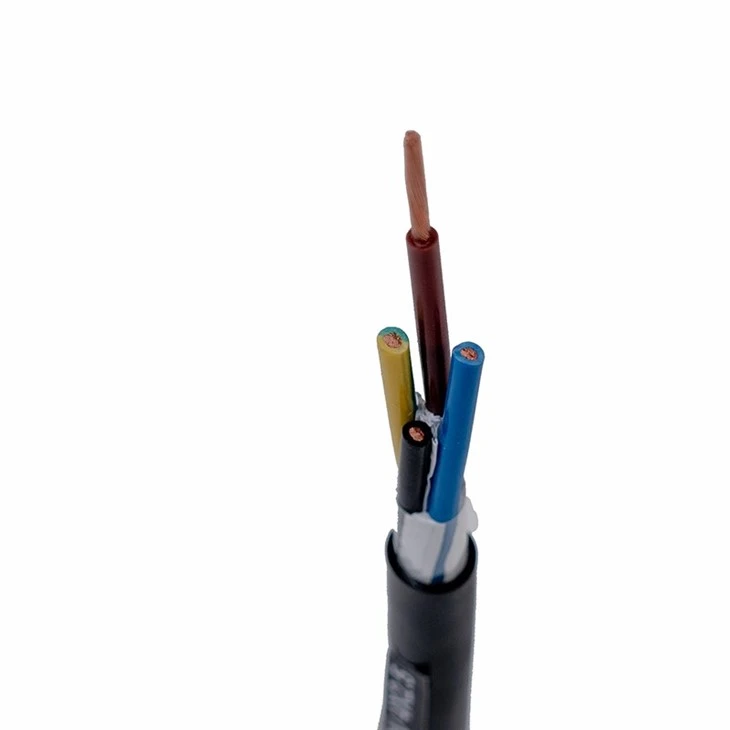
Now, let's dive into the details. One of the key factors to consider when using underground electrical wire in a greenhouse is the type of wire you choose. You'll want to select a wire that is specifically designed for underground use. This type of wire is usually insulated and sheathed to protect it from moisture, soil chemicals, and physical damage.
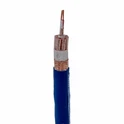
One popular option is the 2.0 Awg Copper Underground Wire. This wire is made of high-quality copper, which is an excellent conductor of electricity. It has a thick insulation layer that provides good protection against moisture and other environmental factors. The 2.0 AWG size is suitable for many greenhouse applications, especially if you need to power multiple electrical devices.
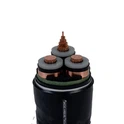
Another option is the 6/3 with Ground Direct Burial Wire. This wire is designed for direct burial in the ground and comes with a ground wire for added safety. It's a good choice if you're running a long distance of wire or if you need to carry a higher electrical load.

When installing underground electrical wire in a greenhouse, it's important to follow the proper installation procedures. Here are some steps to keep in mind:
- Plan your wiring layout: Before you start digging, carefully plan where you want to run the wire. Consider the location of your electrical devices, the length of the wire runs, and any potential obstacles.
- Dig the trench: Use a shovel or a trencher to dig a trench that is deep enough to bury the wire. The depth of the trench will depend on local electrical codes, but a general rule of thumb is to bury the wire at least 18 inches deep.
- Lay the wire: Place the wire in the trench, making sure it is straight and free of kinks. Use wire clips or staples to secure the wire to the trench walls at regular intervals.
- Connect the wire: At each end of the wire run, connect the wire to the electrical devices or the main electrical panel. Make sure to use proper connectors and follow the manufacturer's instructions.
- Backfill the trench: Once the wire is installed and connected, backfill the trench with soil. Tamp the soil down firmly to prevent the wire from shifting.
- Test the system: After the installation is complete, test the electrical system to make sure everything is working properly. Check for any signs of electrical problems, such as shorts or open circuits.
In addition to choosing the right wire and following the proper installation procedures, there are some other things to keep in mind when using underground electrical wire in a greenhouse.
- Moisture protection: Greenhouses can be a humid environment, so it's important to protect the wire from moisture. Make sure the wire is properly insulated and sealed to prevent water from getting in. You may also want to consider using a moisture barrier or a waterproof conduit.
- Temperature control: Greenhouses can get very hot during the day and cold at night. The wire should be able to withstand these temperature fluctuations without losing its electrical properties. Look for wire that is rated for a wide temperature range.
- Physical protection: The wire should be protected from physical damage, such as being stepped on or hit by equipment. You can use a conduit or a protective sleeve to shield the wire.
- Code compliance: Make sure you comply with all local electrical codes and regulations when installing underground electrical wire in a greenhouse. This will ensure the safety of your electrical system and prevent any potential legal issues.
Overall, using underground electrical wire in a greenhouse can be a great way to power your electrical devices safely and efficiently. By choosing the right wire, following the proper installation procedures, and taking the necessary precautions, you can ensure a reliable and long-lasting electrical system for your greenhouse.
If you're interested in purchasing underground electrical wire for your greenhouse, I'd be happy to help. We offer a wide range of high-quality underground electrical wire products, including the 2.0 Awg Copper Underground Wire. Our wires are manufactured to the highest standards and come with a warranty.
If you have any questions or need more information, please don't hesitate to contact us. We're here to assist you with all your underground electrical wire needs. Let's work together to create a great electrical system for your greenhouse!
References:
- Electrical Wiring Handbook
- National Electrical Code
This blog provides a comprehensive overview of using underground electrical wire in a greenhouse. It includes information on wire selection, installation procedures, and safety considerations. By the end of the blog, readers are encouraged to contact the supplier for more information and to make a purchase. The hyperlinks are inserted at appropriate places to provide more information on the recommended wire products.