


Hey there! As a supplier of YJV cables, I often get asked if YJV cables can be used in high - voltage systems. Well, let's dig into this topic and find out.
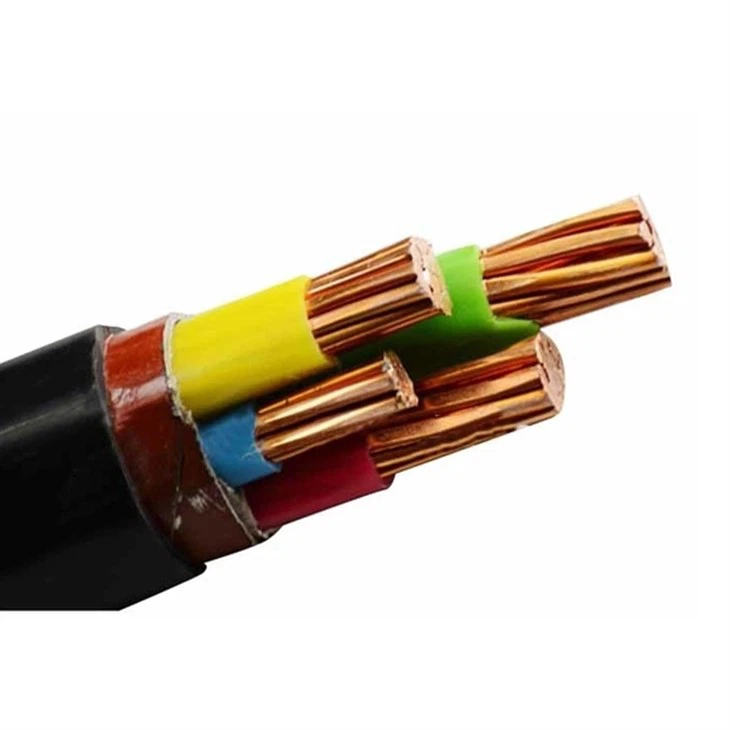
First off, let's talk a bit about what YJV cables are. YJV cables are cross - linked polyethylene insulated PVC sheathed power cables. They've got some pretty sweet features. The cross - linked polyethylene insulation gives them good electrical properties, like high dielectric strength and low dielectric loss. And the PVC sheath provides protection against environmental factors such as moisture, chemicals, and mechanical damage.
Now, when it comes to high - voltage systems, things get a bit more complicated. High - voltage systems typically operate at voltages above 1kV, and they require cables that can handle the high electrical stress, temperature rise, and other challenges that come with such high - energy applications.
One of the main concerns with using YJV cables in high - voltage systems is the electrical stress. High - voltage systems generate a lot of electrical stress on the cable insulation. If the insulation can't handle this stress, it can lead to partial discharges, which can gradually damage the insulation and eventually cause cable failure.
However, modern YJV cables are designed with high - quality cross - linked polyethylene insulation that can withstand relatively high electrical stress. The cross - linking process improves the thermal and mechanical properties of the polyethylene, making it more resistant to electrical breakdown. So, in theory, YJV cables can be used in some high - voltage applications.
Another factor to consider is the temperature. High - voltage systems often generate a significant amount of heat, and the cables need to be able to dissipate this heat effectively. YJV cables have a certain temperature rating, and if the temperature in the high - voltage system exceeds this rating, it can cause the insulation to degrade over time. But if proper cooling and ventilation are provided, YJV cables can operate within their temperature limits even in high - voltage environments.
Let's also talk about the mechanical aspects. High - voltage systems may involve installation in harsh environments, where the cables may be subject to vibration, bending, and pulling. YJV cables with a suitable outer sheath can offer good mechanical protection. For example, the Cu Xlpe Pvc Swa Cable has a steel wire armor (SWA) which provides extra mechanical strength, making it more suitable for use in high - voltage systems where the cable may be exposed to physical stress.
Now, let's look at some real - world applications. In some medium - high - voltage distribution networks, YJV cables are indeed used. These networks typically operate at voltages in the range of 6kV - 35kV. The 4 C 75sqmm Cu AWG Cable can be a good choice for such applications. It has a proper cross - sectional area and insulation to handle the electrical load and stress in these medium - high - voltage systems.

But for ultra - high - voltage systems, say above 35kV, the situation is a bit different. Ultra - high - voltage systems require cables with even more advanced insulation materials and designs. Although YJV cables have come a long way, they may not be the first choice for these ultra - high - voltage applications. Specialized cables with better insulation performance, such as oil - filled cables or gas - insulated cables, are often preferred in these cases.
However, it doesn't mean that YJV cables can't be used at all in high - voltage systems. With proper design, installation, and maintenance, they can serve well in many high - voltage scenarios. For example, the 4 C Xlpe Swa Pvc Cu Cable is designed to meet the requirements of some high - voltage applications, providing both electrical and mechanical reliability.
When considering using YJV cables in high - voltage systems, it's also important to follow relevant standards and regulations. These standards ensure that the cables are installed and operated safely. For example, the International Electrotechnical Commission (IEC) has a set of standards for power cables, which specify the requirements for cable design, testing, and installation in different voltage levels.
In conclusion, YJV cables can be used in some high - voltage systems, especially in medium - high - voltage distribution networks. They offer good electrical and mechanical properties, and with proper care, they can provide reliable performance. However, for ultra - high - voltage applications, other types of cables may be more suitable.
If you're in the market for YJV cables for your high - voltage projects, we're here to help. We've got a wide range of YJV cables to meet your specific needs. Whether it's the 4 C 75sqmm Cu AWG Cable, Cu Xlpe Pvc Swa Cable, or 4 C Xlpe Swa Pvc Cu Cable, we can provide you with high - quality products. Contact us for more information and let's start a discussion about your cable requirements.
References:
- International Electrotechnical Commission (IEC) standards for power cables
- Technical documentation on YJV cables from cable manufacturers


