Hey there! As a supplier of YJV cables, I often get asked whether YJV cable can be used in residential buildings. Well, let's dive right into this topic and shed some light on it.
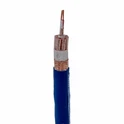
First off, let's understand what YJV cable is. YJV cable is a type of cross - linked polyethylene insulated, PVC sheathed power cable. It's known for its good electrical performance, heat resistance, and mechanical properties. These features make it a popular choice in various electrical applications.
Advantages of Using YJV Cable in Residential Buildings
1. Electrical Performance
YJV cables have excellent insulation properties. The cross - linked polyethylene insulation provides a low dielectric loss, which means less energy is wasted as heat during the transmission of electricity. This is crucial in a residential setting where energy efficiency is becoming increasingly important. For example, in a modern home with a lot of electrical appliances, using YJV cables can help reduce the overall electricity consumption, which in turn saves you some bucks on your energy bills.
2. Heat Resistance
Residential buildings have a wide range of electrical loads. From high - power appliances like ovens and air conditioners to smaller devices like chargers and lamps. YJV cables can withstand relatively high temperatures without significant degradation of their performance. This heat resistance ensures that the cables can operate safely even when there are peak loads in the house. For instance, during the hot summer months when your air conditioner is running non - stop, YJV cables can handle the heat generated by the increased electrical current.
3. Mechanical Strength
In a residential environment, cables may be subject to some physical stress during installation or normal use. YJV cables have good mechanical strength, which means they are less likely to get damaged easily. Whether it's being bent around corners during installation or being accidentally stepped on, YJV cables can maintain their integrity. This durability reduces the risk of electrical faults and potential safety hazards in your home.
Types of YJV Cables Suitable for Residential Buildings
Armoured YJV Cable
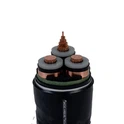
If you're looking for extra protection, Armoured YJV Cable is a great option. The armour layer provides additional mechanical protection against external forces such as rodents, construction work, or accidental damage. In a residential building, especially if the cables are installed underground or in areas where they may be exposed to physical impact, armoured YJV cables can offer long - term reliability.
4 C Xlpe Swa Pvc Cu Cable
The 4 C Xlpe Swa Pvc Cu Cable is another suitable choice for residential use. The four - core design allows for the transmission of different phases of electricity, which is common in modern homes with three - phase power supply. The XLPE insulation provides excellent electrical properties, and the PVC sheath offers protection against environmental factors such as moisture and chemicals.
0.6 - 1kv YJV Cable
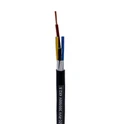
For most residential applications, the 0.6 - 1kv YJV Cable is more than sufficient. The voltage rating of 0.6 - 1kV is well - suited for the electrical systems in homes. It can handle the typical electrical loads in a house, from lighting to powering household appliances.
Installation Considerations
When installing YJV cables in a residential building, there are a few things to keep in mind. First, make sure to follow the local electrical codes and regulations. These codes are in place to ensure the safety of the electrical installation. Second, proper cable sizing is crucial. You need to calculate the load requirements of your home accurately and choose the appropriate cable size accordingly. Using undersized cables can lead to overheating and potential fire hazards, while oversized cables can be a waste of money.
Another important aspect is cable routing. Try to avoid routing the cables near sources of heat, moisture, or sharp edges. For example, don't install the cables too close to a hot water heater or in a damp basement without proper protection. Also, make sure to secure the cables properly to prevent them from moving or getting damaged over time.
Safety Precautions
Safety should always be the top priority when using YJV cables in residential buildings. Before starting any electrical work, make sure to turn off the power supply to the area where you'll be working. This will prevent the risk of electric shock. When handling the cables, wear appropriate personal protective equipment such as gloves and safety glasses.
Regular inspections of the electrical system are also essential. Check for any signs of damage, such as frayed insulation or loose connections. If you notice any problems, it's best to call a qualified electrician to fix them.
Cost - Effectiveness
In terms of cost, YJV cables are generally a cost - effective solution for residential buildings. While the initial cost of purchasing the cables may be a bit higher compared to some other types of cables, their long - term benefits outweigh the cost. The energy efficiency, durability, and low maintenance requirements of YJV cables mean that you'll save money in the long run. You won't have to replace the cables as often, and you'll also save on your energy bills.
Conclusion
So, to answer the question “Can YJV cable be used in residential buildings?” The answer is a resounding yes! YJV cables offer a range of benefits in terms of electrical performance, heat resistance, mechanical strength, and cost - effectiveness. Whether you choose Armoured YJV Cable, 4 C Xlpe Swa Pvc Cu Cable, or 0.6 - 1kv YJV Cable, you can be confident that your home's electrical system will be reliable and safe.
If you're considering using YJV cables in your residential building project, don't hesitate to get in touch with us. We're here to provide you with the best quality YJV cables and professional advice on installation and maintenance. Let's work together to make your home's electrical system more efficient and safe.


References
- Electrical Wiring Handbook
- National Electrical Code (NEC)
- Standards for Power Cables