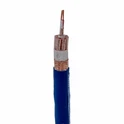
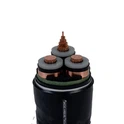
As a supplier of Armoured YJV Cable, I've witnessed firsthand the importance of understanding the aging mechanism of these cables. Armoured YJV cables are widely used in various electrical systems due to their excellent performance and reliability. However, like all electrical components, they are subject to aging over time, which can affect their functionality and safety. In this blog, I'll delve into the aging mechanism of Armoured YJV Cable, exploring the factors that contribute to it and how we can mitigate its effects.
1. Composition of Armoured YJV Cable
Before we discuss the aging mechanism, it's essential to understand the basic composition of Armoured YJV Cable. The "YJV" in the name stands for cross-linked polyethylene (XLPE) insulated PVC sheathed power cable.
- Conductor: Usually made of copper or aluminum, the conductor is responsible for carrying the electrical current. Copper conductors are preferred for their high conductivity and corrosion resistance.
- Insulation Layer: Cross-linked polyethylene (XLPE) is used as the insulation material. XLPE offers excellent electrical insulation properties, high thermal stability, and good mechanical strength.
- Armour Layer: The armour layer provides mechanical protection to the cable. It is typically made of steel wires or tapes, which help to prevent damage from external forces such as impact, abrasion, and rodents.
- Outer Sheath: The outer sheath is made of polyvinyl chloride (PVC), which offers protection against environmental factors such as moisture, chemicals, and sunlight.
2. Factors Contributing to the Aging of Armoured YJV Cable
2.1 Thermal Aging
One of the primary factors contributing to the aging of Armoured YJV Cable is thermal aging. When the cable is in operation, electrical current flowing through the conductor generates heat. If the heat is not dissipated effectively, the temperature of the cable will rise. High temperatures can cause the following changes in the cable:
- Degradation of Insulation Material: At high temperatures, the XLPE insulation material can undergo thermal oxidation, which leads to the formation of free radicals. These free radicals can react with the polymer chains in the XLPE, causing chain scission and cross - linking. As a result, the insulation properties of the cable deteriorate, and its dielectric strength decreases.
- Softening of the Outer Sheath: The PVC outer sheath can soften at high temperatures, which reduces its mechanical strength and resistance to abrasion. This can make the cable more vulnerable to physical damage.
To prevent thermal aging, it is crucial to ensure proper cable sizing and installation. Using cables with appropriate ampacity ratings and providing adequate ventilation for heat dissipation can help to keep the cable temperature within a safe range.
2.2 Electrical Aging
Electrical stress is another significant factor in cable aging. When the cable is subjected to high - voltage electrical fields, it can cause partial discharges within the insulation material.


- Partial Discharges: Partial discharges occur when the electrical stress in a local area of the insulation exceeds the breakdown strength of the insulation. These discharges can erode the insulation material, creating voids and channels. Over time, these voids and channels can grow, leading to complete insulation breakdown.
- Treeing Phenomenon: Electrical treeing is a form of aging that occurs in the insulation material due to long - term exposure to high - voltage electrical fields. It starts with the formation of small branching channels (trees) in the insulation, which gradually grow and eventually lead to insulation failure.
To mitigate electrical aging, it is important to use cables with high - quality insulation materials and to ensure proper cable installation to minimize electrical stress.
2.3 Environmental Aging
The environment in which the cable is installed can also have a significant impact on its aging process.
- Moisture: Moisture can penetrate the cable through small cracks or damaged areas in the outer sheath. Once inside the cable, moisture can react with the insulation material, causing hydrolysis. Hydrolysis can break down the polymer chains in the XLPE insulation, reducing its electrical and mechanical properties.
- Chemicals: Exposure to chemicals such as acids, alkalis, and solvents can also damage the cable. These chemicals can react with the insulation and outer sheath materials, causing corrosion and degradation.
- Sunlight: Ultraviolet (UV) radiation from sunlight can cause the outer sheath of the cable to degrade. UV radiation can break down the polymer chains in the PVC outer sheath, making it brittle and prone to cracking.
To protect the cable from environmental aging, proper cable selection and installation are essential. For example, using cables with a UV - resistant outer sheath in outdoor applications and providing appropriate cable protection in chemical - rich environments.
2.4 Mechanical Aging
Mechanical stress can also contribute to the aging of Armoured YJV Cable.
- Bending and Twisting: During installation or operation, the cable may be subjected to bending and twisting forces. Excessive bending or twisting can cause damage to the insulation and armour layers, leading to reduced mechanical strength and increased vulnerability to other forms of aging.
- Vibration: Vibration can cause fatigue in the cable components, especially the conductor and armour layer. Over time, vibration - induced fatigue can lead to cracks and breakages in these components.
To prevent mechanical aging, it is important to follow proper installation procedures and to use cable supports and clamps to minimize mechanical stress.
3. Detection and Monitoring of Cable Aging
Detecting and monitoring cable aging is crucial for ensuring the safe and reliable operation of electrical systems. There are several methods available for detecting cable aging:
- Visual Inspection: Regular visual inspections can help to identify signs of physical damage such as cracks in the outer sheath, exposed conductors, or damage to the armour layer.
- Electrical Testing: Electrical tests such as insulation resistance testing, partial discharge testing, and dielectric loss factor testing can provide information about the electrical properties of the cable insulation. Changes in these electrical parameters can indicate the onset of cable aging.
- Thermal Monitoring: Thermal monitoring techniques such as infrared thermography can be used to detect hot spots in the cable, which may indicate excessive heat generation due to aging or other problems.
4. Mitigation of Cable Aging
To extend the service life of Armoured YJV Cable and reduce the risk of aging - related failures, the following measures can be taken:
- Proper Cable Selection: Choose cables with appropriate specifications and quality for the intended application. Consider factors such as voltage rating, ampacity, environmental conditions, and mechanical requirements. You can explore our 6 mm Cable Single Core Xlpe and 4 C 75sqmm Cu AWG Cable for different needs.
- Correct Installation: Follow the manufacturer's installation instructions carefully to ensure proper cable installation. This includes proper cable routing, bending radius, and cable support.
- Regular Maintenance: Conduct regular inspections and maintenance of the cable system. This includes visual inspections, electrical testing, and thermal monitoring. Replace damaged or aging cables in a timely manner.
- Environmental Protection: Provide appropriate environmental protection for the cable, such as using cable trays, conduits, or enclosures to protect the cable from moisture, chemicals, and sunlight.
5. Conclusion
Understanding the aging mechanism of Armoured YJV Cable is essential for ensuring the safe and reliable operation of electrical systems. Thermal aging, electrical aging, environmental aging, and mechanical aging are the main factors that contribute to cable aging. By detecting and monitoring cable aging and taking appropriate mitigation measures, we can extend the service life of the cable and reduce the risk of aging - related failures.
If you are in need of high - quality Armoured YJV Cable or have any questions about cable aging and selection, please feel free to contact us for procurement and further discussion. Our team of experts is always ready to assist you in finding the best cable solutions for your specific requirements. You can also explore our Low Voltage YJV Cable for more options.
References
- International Electrotechnical Commission (IEC) standards on electrical cables.
- National Electrical Code (NEC) guidelines for cable installation and safety.
- Technical literature from cable manufacturers on cable aging and performance.