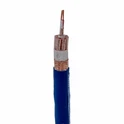
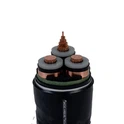
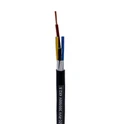
Hey there! As a control wire supplier, I've been getting a lot of questions lately about whether control wires need to be bonded. It's a topic that's crucial for anyone working with electrical systems, so I thought I'd share my insights in this blog post.
First off, let's understand what bonding means in the context of control wires. Bonding is the process of connecting electrical conductors together to create a low - resistance path. This helps in equalizing electrical potential and preventing the build - up of static electricity, which can cause all sorts of problems in electrical systems.
Now, do control wires need to be bonded? Well, the answer isn't a simple yes or no. It depends on several factors.
One of the main reasons for bonding control wires is safety. In any electrical system, there's always a risk of electrical faults. When a fault occurs, such as a short - circuit, a large amount of current can flow. If the control wires aren't bonded properly, this current can cause damage to the equipment, and more importantly, it can pose a serious safety hazard to people working around the system. For example, if there's a voltage difference between different parts of the control wire system, it can lead to electric shocks. Bonding helps to ensure that in the event of a fault, the current has a safe path to flow, reducing the risk of injury and damage.


Another aspect to consider is electromagnetic interference (EMI). Control wires often carry sensitive signals. If these wires aren't bonded, they can act as antennas, picking up electromagnetic noise from the surrounding environment. This noise can interfere with the signals carried by the control wires, leading to errors in the operation of the equipment. For instance, in an industrial automation system, EMI can cause incorrect readings or malfunctions in sensors and actuators. Bonding helps to create a shield against EMI by providing a path for the interference currents to flow away from the control wires.
Let's talk about the different types of control wires we offer. We have Fire Resistant Control Wire. These wires are designed to withstand high temperatures in case of a fire. Bonding is especially important for these wires because in a fire situation, the electrical system can be under a lot of stress. Proper bonding ensures that the wires continue to function safely and can help in preventing the spread of electrical faults that could exacerbate the fire.
Our 4 Core Cy Cable is another popular option. It's commonly used in control and monitoring systems. Since these cables carry multiple signals, they are more susceptible to EMI. Bonding the 4 - core CY cable helps to maintain the integrity of the signals and ensures reliable operation of the system.
The PVC Lighting Control Cable is used in lighting control applications. In a lighting system, any interference can cause flickering or inconsistent lighting. Bonding the PVC lighting control cable helps to eliminate such issues and provides a stable power supply to the lighting fixtures.
However, there are some situations where bonding might not be as critical. For very low - voltage and low - power control systems, the risk of electrical faults and EMI might be minimal. In these cases, the cost and complexity of bonding might outweigh the benefits. But it's still important to assess each situation carefully. Just because a system seems low - risk doesn't mean there aren't potential hazards.
When it comes to bonding control wires, there are a few best practices to follow. First, make sure to use the right bonding materials. Copper is a popular choice because of its high conductivity. The bonding conductors should be of an appropriate size to handle the expected fault currents. Also, ensure that the connections are tight and secure. Loose connections can increase the resistance in the bonding path, reducing its effectiveness.
It's also important to test the bonding regularly. Over time, the bonding connections can corrode or loosen, which can compromise the safety and performance of the system. By conducting periodic tests, you can identify any issues early and take corrective action.
In conclusion, while there are some cases where bonding control wires might not be strictly necessary, in most situations, it's a good idea. It enhances safety, reduces the risk of EMI, and helps to ensure the reliable operation of electrical systems. Whether you're working on a small - scale lighting control project or a large - scale industrial automation system, considering bonding for your control wires is a smart move.
If you're in the market for control wires and have questions about bonding or which type of wire is right for your project, I'd love to chat. We have a team of experts who can provide you with personalized advice and help you make the best choice. Don't hesitate to reach out for a consultation, and let's work together to ensure your electrical system runs smoothly and safely.
References
- Electrical Safety Codes and Standards
- Handbook of Electrical Wiring and Bonding Practices