


Installing underground electrical wire in rocky soil can be a challenging yet rewarding task. As a supplier of underground electrical wire, I've witnessed firsthand the importance of proper installation in ensuring the safety and efficiency of electrical systems. In this blog post, I'll share my insights and experiences on how to tackle this complex installation process.
Understanding the Challenges of Rocky Soil
Rocky soil presents several unique challenges when it comes to installing underground electrical wire. The presence of large rocks and boulders can make digging trenches difficult and time - consuming. Rocks can also damage the wire during installation, leading to potential electrical hazards. Additionally, rocky soil may not provide a stable base for the wire, increasing the risk of shifting and damage over time.
Planning the Installation
Before you start digging, it's crucial to plan the installation carefully. Begin by obtaining any necessary permits from your local building department. This step ensures that your installation complies with local codes and regulations. Next, mark the path where you'll be installing the wire. Use stakes and string to create a clear guide for digging. Consider the location of any existing utilities, such as water pipes or gas lines, to avoid accidentally damaging them during the installation process.
Selecting the Right Wire
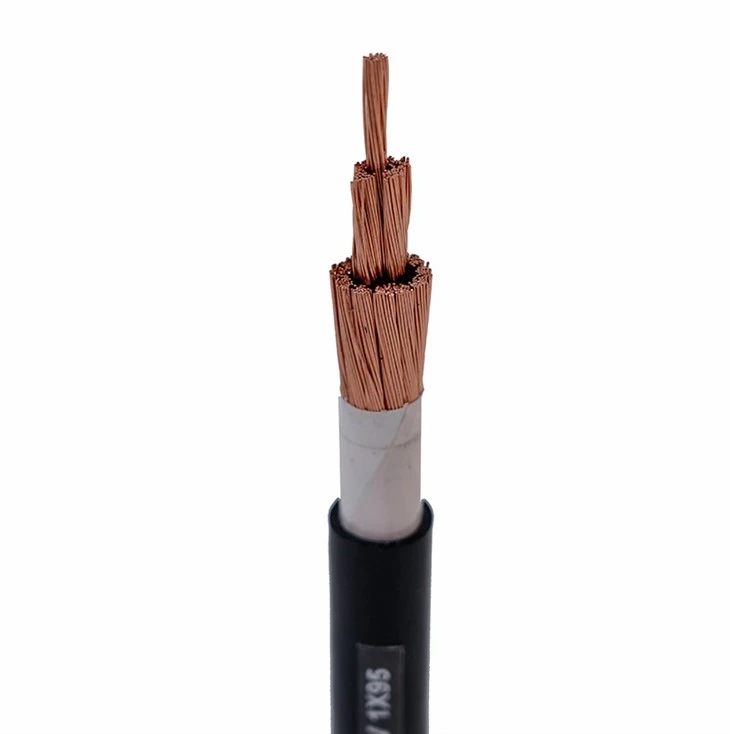
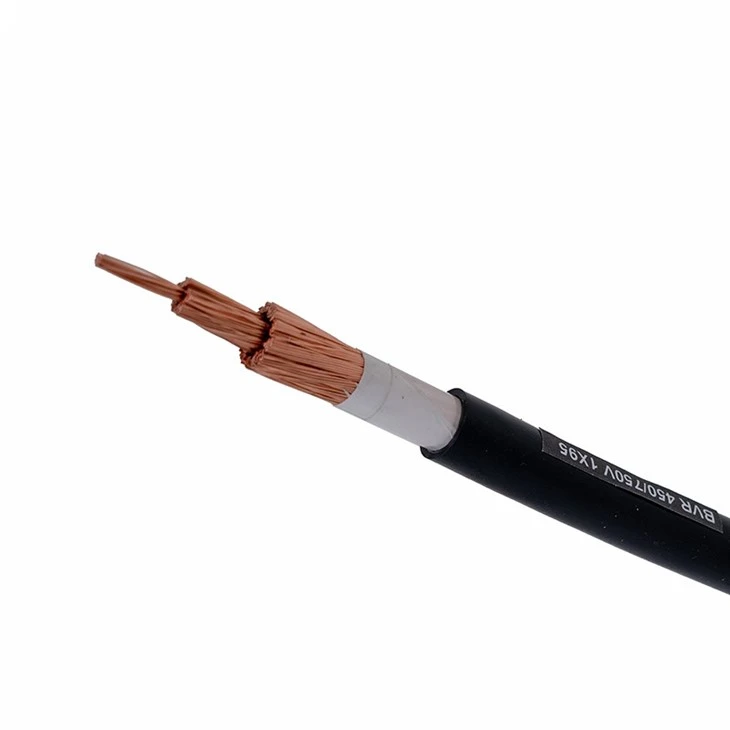
Choosing the appropriate underground electrical wire is essential for a successful installation. For rocky soil, I recommend using high - quality, durable wire that can withstand the rigors of the installation and the harsh environment. Our 2.0 Awg Copper Underground Wire is an excellent choice. It offers excellent conductivity and is designed to resist damage from rocks and other sharp objects. If you're installing a system for a 100 - amp service, our Underground Electrical Wire for 100 Amp Service is specifically engineered to meet the demands of such applications.
Tools and Equipment
To install underground electrical wire in rocky soil, you'll need the right tools and equipment. Some essential items include:
- Rock Auger or Jackhammer: These tools are used to break through the hard rock and create a trench for the wire. A rock auger is suitable for smaller installations, while a jackhammer may be necessary for larger projects.
- Shovels and Pickaxes: These traditional digging tools are useful for removing loose soil and debris from the trench.
- Wire Pulling Equipment: This includes fish tapes, pull ropes, and wire pulling lubricants. These tools help you guide the wire through the trench smoothly.
- Conduit: If you're using conduit to protect the wire, make sure you have the appropriate size and type. PVC conduit is a popular choice for underground installations as it is lightweight, corrosion - resistant, and easy to install.
Digging the Trench
Digging a trench in rocky soil requires patience and the right approach. Start by using the rock auger or jackhammer to break through the rock. Work slowly and methodically, removing small sections of rock at a time. As you break through the rock, use shovels and pickaxes to remove the loose debris. Make sure the trench is deep enough to meet local code requirements, typically at least 18 inches deep. The width of the trench should be sufficient to accommodate the wire and any conduit.
Installing the Conduit (Optional)
If you've decided to use conduit to protect the wire, now is the time to install it. Place the conduit in the trench and secure it in place using conduit straps. Make sure the conduit is straight and free of any kinks or bends. If you need to make a bend in the conduit, use a conduit bender to create a smooth, gradual curve.
Pulling the Wire
Once the trench and conduit (if applicable) are ready, it's time to pull the wire. Apply a wire pulling lubricant to the wire to reduce friction and make the pulling process easier. Use a fish tape or pull rope to guide the wire through the trench or conduit. Work slowly and steadily, making sure the wire doesn't get caught on any rocks or other obstacles.
Backfilling the Trench
After the wire is installed, it's important to backfill the trench properly. Start by covering the wire or conduit with a layer of sand or gravel. This layer helps protect the wire from damage and provides a stable base. Then, gradually fill the rest of the trench with soil, tamping it down firmly as you go. Make sure the soil is level and doesn't create any depressions that could collect water.
Testing the System
Once the installation is complete, it's crucial to test the electrical system to ensure it's working properly. Use a voltage tester to check for the presence of electricity at various points along the wire. If you encounter any issues, such as a lack of power or a short circuit, troubleshoot the problem immediately. It may be necessary to consult a professional electrician if you're unable to resolve the issue on your own.
Maintenance and Monitoring
Regular maintenance and monitoring are essential to ensure the long - term performance of your underground electrical system. Inspect the wire and conduit periodically for signs of damage, such as cracks or exposed wires. Check the connections to make sure they're tight and secure. If you notice any issues, address them promptly to prevent further damage and potential electrical hazards.
Conclusion
Installing underground electrical wire in rocky soil is a challenging but achievable task. By following the steps outlined in this blog post and using high - quality materials, you can ensure a successful installation. As a supplier of underground electrical wire, I'm committed to providing you with the best products and support for your electrical projects. If you have any questions or need assistance with your installation, please don't hesitate to reach out. We're here to help you every step of the way. Whether you're in need of 2.0 Awg Copper Underground Wire or other electrical supplies, we can offer you the solutions you need. Contact us today to discuss your project requirements and explore our range of products.
References
- National Electrical Code (NEC)
- Local building department regulations
- Manufacturer's installation instructions for electrical wire and equipment






