


Installing underground electrical wire in a sloped area presents unique challenges compared to flat terrains. As a supplier of underground electrical wire, I've witnessed firsthand the importance of proper installation to ensure safety, efficiency, and longevity. In this blog, I'll share my insights on how to install underground electrical wire in a sloped area, covering everything from planning and preparation to the actual installation process.
Planning and Preparation
Before you start digging, it's crucial to plan your project carefully. Here are some key steps to consider:
- Check Local Codes and Regulations: Before starting any electrical work, check with your local building department to ensure you comply with all relevant codes and regulations. This may include obtaining permits, following specific installation requirements, and adhering to safety standards.
- Determine the Route: Plan the route for your underground electrical wire, taking into account the slope of the area, any existing utilities, and the location of your electrical load. Avoid areas prone to flooding, erosion, or other potential hazards.
- Gather the Necessary Tools and Materials: You'll need various tools and materials for the installation, including a trencher, shovel, wire, conduit, connectors, and a voltage tester. Ensure you have everything you need before starting the project.
- Mark the Trench: Use stakes and string to mark the path of the trench. This will help you stay on track and ensure the trench is straight and level.
Selecting the Right Wire
Choosing the right underground electrical wire is crucial for the success of your project. Here are some factors to consider:
- Wire Size: The wire size you need will depend on the electrical load and the distance the wire will travel. A larger wire size is required for longer distances and higher loads to minimize voltage drop.
- Insulation Type: Underground electrical wire is typically available with different insulation types, such as PVC, polyethylene, or cross-linked polyethylene (XLPE). Choose an insulation type that is suitable for the environment and the application.
- Direct Burial or Conduit: You can install underground electrical wire directly in the ground or in a conduit. Direct burial wire is designed to be buried without a conduit, while conduit provides additional protection for the wire.
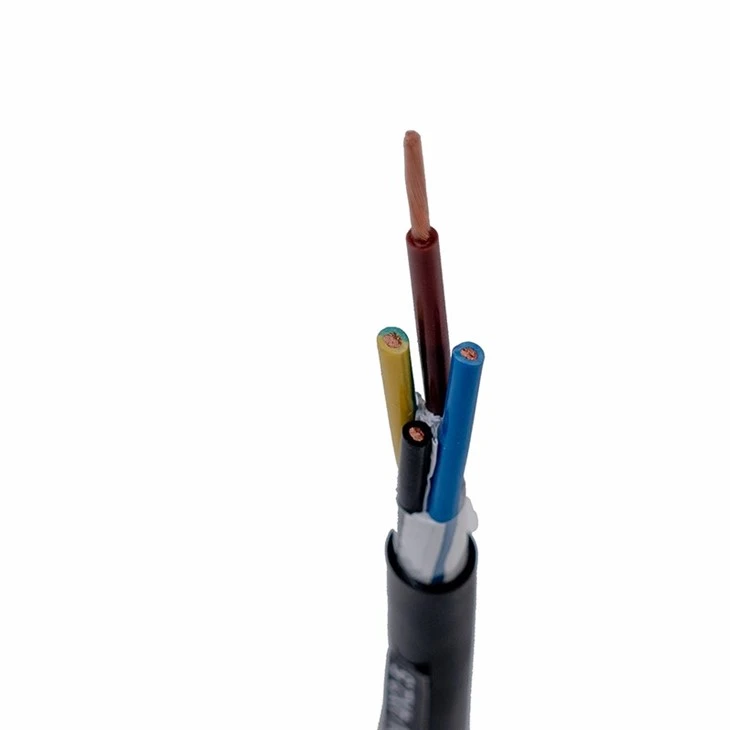
- Our Product Recommendations: As a supplier of underground electrical wire, we offer a wide range of high-quality products to meet your needs. Our 2.0 Awg Copper Underground Wire is a popular choice for many applications, offering excellent conductivity and durability. We also offer 2.0 Awg Copper Underground Wire from our factory, ensuring the highest quality and reliability. For applications requiring a smaller wire size, our 6/3 with Ground Direct Burial Wire is a great option.
Digging the Trench
Digging the trench is one of the most critical steps in the installation process. Here are some tips to ensure a successful trench:
- Depth and Width: The depth and width of the trench will depend on the type of wire and the local codes and regulations. In general, the trench should be at least 18 inches deep and 6 inches wide for direct burial wire. If you're using a conduit, the trench should be deeper and wider to accommodate the conduit.
- Slope and Grade: When digging the trench on a slope, it's important to maintain a consistent slope and grade to prevent water from pooling in the trench. Use a level and a slope gauge to ensure the trench is level and has the correct slope.
- Backfill: Once the trench is dug, backfill it with a layer of sand or gravel to provide a stable base for the wire. This will help prevent the wire from being damaged by rocks or other debris.
Installing the Wire
Once the trench is dug and backfilled, it's time to install the wire. Here are some steps to follow:
- Lay the Wire: Carefully lay the wire in the trench, ensuring it is straight and free of kinks or twists. Use a wire pulling lubricant to make it easier to pull the wire through the trench.
- Connect the Wire: Connect the wire to the electrical load and the power source using appropriate connectors and terminals. Follow the manufacturer's instructions for making the connections.
- Test the Wire: Before covering the wire with soil, test it with a voltage tester to ensure it is working properly. This will help you identify any issues before the trench is filled.
- Cover the Wire: Once the wire is installed and tested, cover it with a layer of soil or backfill material. Compact the soil gently to ensure the wire is protected and secure.
Testing and Inspection
After the wire is installed, it's important to test and inspect the system to ensure it is working properly. Here are some steps to follow:

- Test the System: Use a voltage tester to test the system for voltage and continuity. This will help you identify any issues with the wiring or the connections.
- Inspect the Installation: Inspect the installation for any signs of damage or wear. Check the wire for any cuts, abrasions, or other damage, and ensure the connections are tight and secure.
- Verify the Grounding: Verify that the system is properly grounded to prevent electrical shock and other hazards. Use a grounding tester to test the grounding system.
Maintenance and Care
Proper maintenance and care are essential to ensure the longevity and reliability of your underground electrical wire. Here are some tips to follow:
- Inspect the System Regularly: Inspect the system regularly for any signs of damage or wear. Check the wire for any cuts, abrasions, or other damage, and ensure the connections are tight and secure.
- Keep the Area Clear: Keep the area around the wire clear of debris, vegetation, and other obstacles. This will help prevent damage to the wire and ensure proper ventilation.
- Avoid Overloading the System: Avoid overloading the system by using too many electrical devices or appliances at the same time. This can cause the wire to overheat and increase the risk of fire or other hazards.
Conclusion
Installing underground electrical wire in a sloped area requires careful planning, preparation, and execution. By following the steps outlined in this blog, you can ensure a safe and successful installation. As a supplier of underground electrical wire, we're here to help you choose the right products and provide you with the support and guidance you need. If you have any questions or need further assistance, please don't hesitate to contact us to discuss your specific requirements and explore our product offerings. We look forward to working with you on your next project.
References
- National Electrical Code (NEC)
- Local building codes and regulations
- Manufacturer's instructions and specifications






