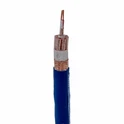
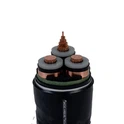
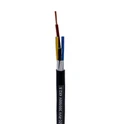
Troubleshooting problems with underground electrical wire is a critical skill for anyone involved in electrical systems, especially for those of us in the underground electrical wire supply business. As a supplier of high - quality underground electrical wires, I've encountered a wide range of issues over the years and have developed effective strategies to diagnose and resolve them.
Common Symptoms of Underground Electrical Wire Problems
The first step in troubleshooting is to identify the symptoms. One of the most obvious signs is a complete power outage in a specific area. If a particular circuit that is served by an underground wire suddenly loses power, it could indicate a break in the wire. Another symptom is intermittent power loss. Lights may flicker, or electrical appliances may work inconsistently. This could be due to a loose connection, a damaged insulation, or a partial break in the wire.
Overheating is also a significant concern. If the area around the underground wire gets unusually warm, it could be a sign of excessive current flow. This might be caused by a short circuit, where the live wire comes into contact with the neutral or ground wire. In some cases, you may notice burning smells or even see smoke, which are clear indicators of a serious problem that requires immediate attention.
Initial Checks
When faced with a potential underground electrical wire problem, the first thing to do is to check the electrical panel. Look for tripped circuit breakers or blown fuses. If a breaker has tripped, try resetting it. However, if it trips again immediately, there is likely a problem in the circuit that needs further investigation.
Next, check all the connected electrical devices. Sometimes, the problem may not be with the underground wire at all but with a faulty appliance or fixture. Unplug all non - essential devices from the circuit and then try resetting the breaker again. If the breaker stays on, then one of the unplugged devices is likely the culprit. You can then plug them back in one by one to identify the faulty device.
Locating the Problem
If the initial checks don't reveal the source of the problem, it's time to start looking at the underground wire itself. One way to do this is by using a voltage tester. First, make sure the power to the circuit is turned off at the electrical panel. Then, use the voltage tester to check for any residual voltage in the wire. If there is voltage present, it could indicate a short circuit or a problem with the grounding.
To locate a break in the wire, you can use a wire tracer. This device sends a signal through the wire, and a receiver can detect the signal's path. If the signal suddenly stops, it likely indicates a break in the wire. However, keep in mind that underground wires can be difficult to access, and using a wire tracer may require some digging.
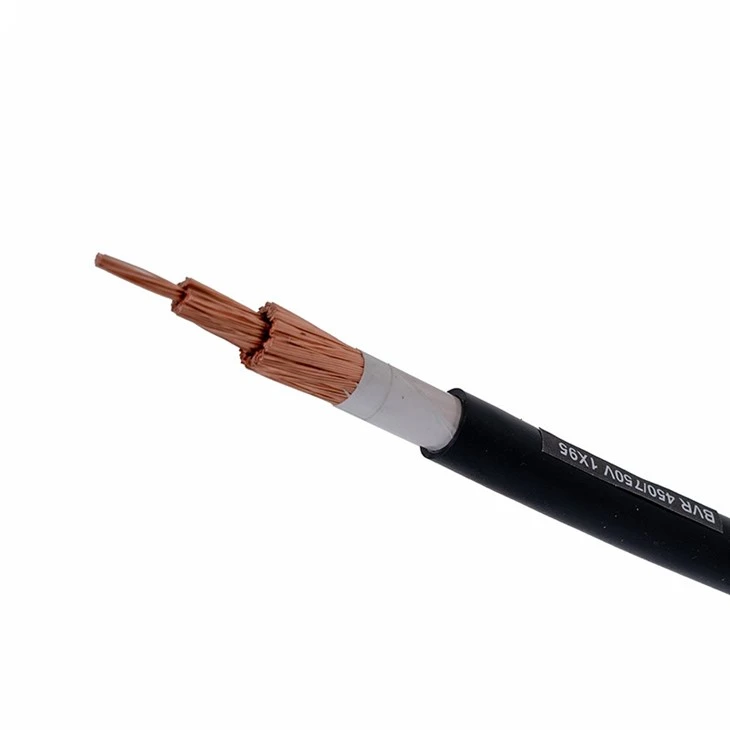

Before you start digging, it's essential to call the local utility companies to mark the location of all underground utilities. This will prevent you from accidentally damaging other underground lines, such as water or gas pipes.
Dealing with Insulation Issues
Insulation problems are common in underground electrical wires. Over time, the insulation can deteriorate due to moisture, soil chemicals, or physical damage. If the insulation is damaged, it can lead to short circuits and other electrical problems.
To check the insulation, you can use an insulation resistance tester. This device measures the resistance of the insulation. A low resistance reading indicates that the insulation is compromised. If the insulation is damaged, the affected section of the wire may need to be replaced.
When replacing the wire, it's important to choose the right type of wire for the application. For example, if you need a wire for a high - amp service, you might consider the Underground Electrical Wire for 100 Amp Service. This wire is designed to handle the high current requirements of a 100 - amp service.
For general underground applications, the 2.0 Awg Copper Underground Wire is a popular choice. Copper is an excellent conductor of electricity, and the 2.0 AWG size provides sufficient capacity for many residential and commercial applications.
If you need a wire with a ground for direct burial, the 6/3 with Ground Direct Burial Wire is a great option. It is specifically designed to be buried directly in the ground, providing protection against moisture and other environmental factors.
Installation Considerations
Proper installation is crucial to prevent future problems with underground electrical wires. When installing the wire, make sure it is buried at the correct depth. The National Electrical Code (NEC) provides guidelines on the minimum burial depth for different types of wires. Generally, underground electrical wires should be buried at least 24 inches deep, but this may vary depending on the location and the type of wire.
Use conduit or protective sleeves to protect the wire from physical damage. Conduit can also help to prevent moisture from reaching the wire. Make sure all connections are properly made and insulated. Loose or poorly insulated connections can lead to overheating and other electrical problems.
Professional Help
In some cases, troubleshooting underground electrical wire problems can be complex and dangerous. If you are not experienced in electrical work, it's best to hire a professional electrician. A licensed electrician has the knowledge, skills, and tools to safely diagnose and repair underground electrical wire problems.
They can also ensure that the repairs are done in compliance with the local electrical codes. This is important not only for safety reasons but also to avoid potential legal issues.
Contact for Purchase and Consultation
As a leading supplier of underground electrical wires, we are committed to providing high - quality products and excellent customer service. If you are experiencing problems with your underground electrical wires or are in need of new wires for a project, we are here to help. Whether you need 2.0 Awg Copper Underground Wire, Underground Electrical Wire for 100 Amp Service, or 6/3 with Ground Direct Burial Wire, we have a wide range of options to meet your needs.
Contact us to discuss your requirements and get expert advice on the best solutions for your underground electrical wiring needs. Our team of professionals is ready to assist you in making the right choices and ensuring the safety and reliability of your electrical systems.
References
- National Electrical Code (NEC)
- Electrical Wiring Handbook by Mike Holt
- Understanding Electricity: A Beginner's Guide by Robert N. Boylestad