Installing underground electrical wire is a complex project that involves various factors influencing the overall cost. As a supplier of underground electrical wire, I've witnessed firsthand the diverse requirements and budgets of our clients. In this blog, I'll break down the key elements that contribute to the cost of installing underground electrical wire, providing you with a comprehensive understanding of what to expect.
Factors Affecting the Cost
1. Wire Type and Size
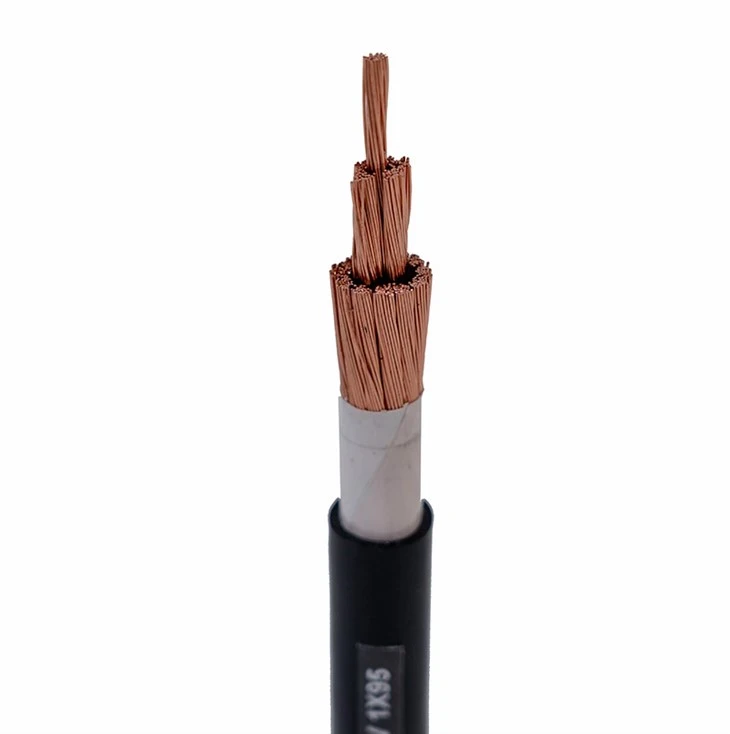
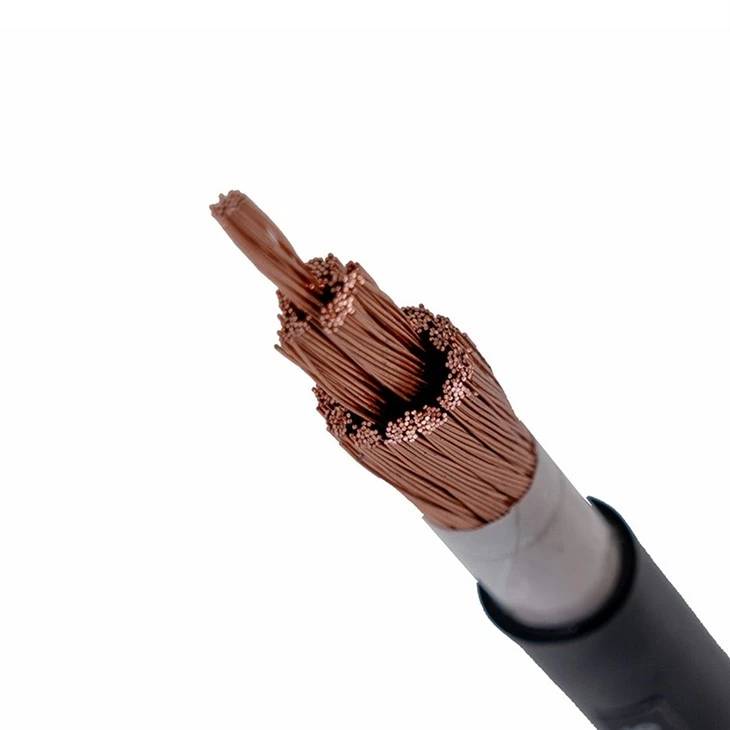
The type and size of the underground electrical wire are fundamental determinants of cost. Different applications demand specific wire characteristics. For instance, a 100-amp service requires a wire with sufficient capacity to handle the load. Our Underground Electrical Wire for 100 Amp Service is designed to meet these high - demand requirements. It is typically made of high - quality materials to ensure safety and durability, which can increase the cost compared to lower - capacity wires.
The American Wire Gauge (AWG) is a standard system for measuring wire size. A smaller AWG number indicates a larger wire diameter, which can carry more current. For example, 2.0 Awg Copper Underground Wire is relatively large and is suitable for applications where high - current transmission is needed. Copper is also a more expensive material than aluminum due to its superior conductivity and corrosion resistance.
2. Wire Length
The length of the wire required for the installation is another significant cost factor. Longer distances mean more wire, which directly increases the material cost. Additionally, longer wire runs may require additional support structures and protective conduits to ensure the wire's integrity over the distance. The installation labor also becomes more time - consuming and costly as the length of the wire increases.
3. Installation Depth
Underground electrical wires need to be buried at a specific depth to protect them from damage. The National Electrical Code (NEC) provides guidelines on the minimum burial depth, which can vary depending on the type of wire and the location. In general, the deeper the wire is buried, the more labor - intensive the installation process becomes. Excavation work for deeper burial depths requires more equipment and time, leading to higher installation costs.
4. Conduit and Protection
Using a conduit to protect the underground electrical wire is often necessary, especially in areas where the wire may be exposed to physical damage, moisture, or chemicals. Conduits can be made of various materials such as PVC, metal, or fiberglass, each with its own cost implications. PVC conduits are relatively inexpensive and easy to install, while metal conduits offer more protection against physical damage but are more costly.
5. Local Regulations and Permits
Local building codes and regulations can have a significant impact on the cost of installing underground electrical wire. Some areas may require permits for the installation, and obtaining these permits can involve fees. Additionally, local regulations may specify certain installation methods or materials, which could either increase or decrease the cost depending on the requirements.
Cost Breakdown
Material Costs
The cost of the wire itself can vary widely depending on the factors mentioned above. On average, the price of underground electrical wire can range from a few dollars per foot for smaller - gauge, lower - quality wires to over ten dollars per foot for larger - gauge, high - quality copper wires. Conduit materials can add an additional cost, with PVC conduits costing around $1 - $3 per foot and metal conduits costing $3 - $10 per foot.
Labor Costs
Labor costs for installing underground electrical wire typically account for a significant portion of the total cost. Electricians usually charge an hourly rate, which can range from $50 to $150 per hour, depending on their experience and location. The complexity of the installation, including the length of the wire, the depth of burial, and the need for conduit installation, will determine the number of hours required. For a simple residential installation, labor costs may range from a few hundred dollars to a couple of thousand dollars. For larger commercial or industrial projects, labor costs can be much higher.
Permit and Inspection Costs
Permit fees can vary widely depending on the local jurisdiction. In some areas, the permit fee may be a flat rate, while in others, it may be based on the size or complexity of the project. Inspection fees are also common, as local authorities need to ensure that the installation meets all safety and code requirements. These costs can range from a few hundred dollars to over a thousand dollars.
Examples of Installation Costs
Residential Installation
For a typical residential installation, such as running underground electrical wire from the main electrical panel to a detached garage or shed, the total cost can range from $1,000 to $5,000. This includes the cost of the wire, conduit, labor, and any necessary permits. If the installation requires a larger - gauge wire for a high - load application, such as a 100 - amp service, the cost may be closer to the higher end of this range.
Commercial Installation
Commercial installations are generally more complex and costly. For a small commercial building, the cost of installing underground electrical wire can start at around $5,000 and go up to $20,000 or more, depending on the size of the building, the length of the wire runs, and the electrical load requirements. Larger commercial or industrial projects can cost hundreds of thousands of dollars.
Tips for Reducing Costs
Plan Ahead
Proper planning is crucial to reducing costs. Before starting the installation, carefully measure the distance, determine the required wire size, and understand the local regulations. This can help you avoid costly mistakes and ensure that you purchase the right materials from the start.
Compare Quotes
Get quotes from multiple electricians and suppliers. This allows you to compare prices and services, ensuring that you get the best value for your money. However, be sure to consider the quality of the work and the reputation of the contractors, as choosing the cheapest option may not always be the best in the long run.
Consider Alternative Materials
In some cases, alternative materials may be a more cost - effective option. For example, aluminum wires can be a cheaper alternative to copper wires, although they have some limitations in terms of conductivity and corrosion resistance. PVC conduits are also a more affordable option for protecting the wire compared to metal conduits in many applications.
Contact for Purchase and Consultation
If you're considering an underground electrical wire installation project, we're here to help. As a leading supplier of underground electrical wire, we offer a wide range of products, including Underground Electrical Wire for 100 Amp Service, 2.0 Awg Copper Underground Wire, and 6/3 with Ground Direct Burial Wire. Our team of experts can provide you with detailed product information, help you determine the right wire for your project, and offer guidance on installation costs. Contact us to start discussing your project requirements and get a customized solution.
References
- National Electrical Code (NEC)
- Electrical Wiring Handbook
- Local Building Codes and Regulations