


Hey there! As a supplier of Fire Resistant Control Wire, I often get asked about the temperature resistance of these wires. It's a crucial aspect, especially when it comes to ensuring the safety and efficiency of electrical systems. So, let's dive right in and explore what the temperature resistance of Fire Resistant Control Wire is all about.
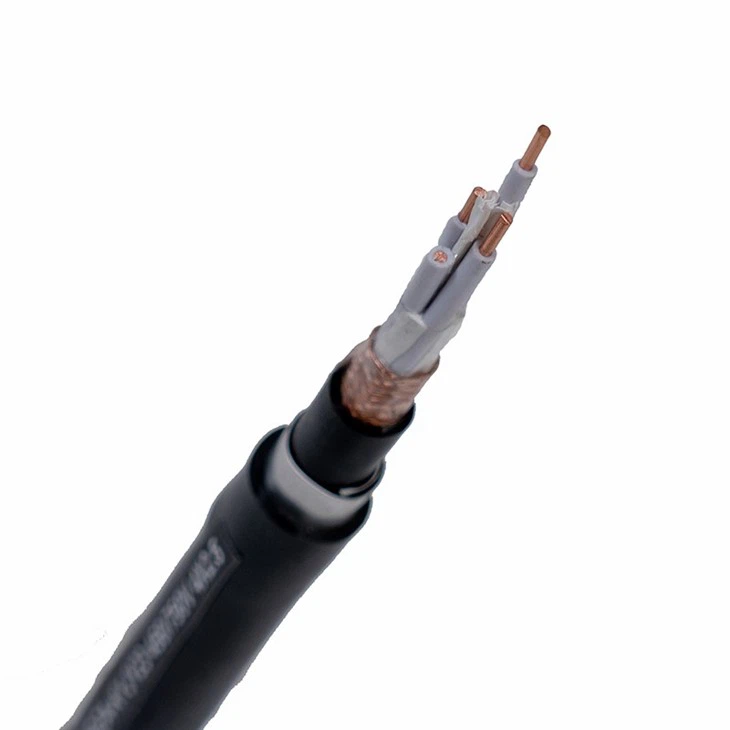
First off, what exactly is Fire Resistant Control Wire? Well, it's a specialized type of cable designed to maintain circuit integrity during a fire. This means that even when exposed to high temperatures and flames, it can still carry out its control functions, which is super important for things like emergency lighting, fire alarms, and other critical control systems. You can check out more about Fire Resistant Control Wire on our website.
Now, let's talk about temperature resistance. The temperature resistance of Fire Resistant Control Wire refers to the maximum temperature it can withstand without losing its electrical and mechanical properties. Different types of fire-resistant control wires have different temperature ratings, and these ratings are determined by a variety of factors.
One of the key factors is the insulation material used in the wire. There are several types of insulation materials commonly used in Fire Resistant Control Wire, each with its own temperature resistance characteristics. For example, some wires use mica insulation, which has excellent high-temperature resistance. Mica can withstand temperatures of up to 1000°C or even higher, making it a great choice for applications where extreme heat is a concern.
Another common insulation material is ceramic fiber. Ceramic fiber insulation also offers good temperature resistance, typically able to handle temperatures in the range of 750°C to 950°C. It's a popular option because it's lightweight and flexible, which makes it easier to install in different environments.
PVC (Polyvinyl Chloride) is another material that you might come across. While PVC is not as heat-resistant as mica or ceramic fiber, it still has its uses. PVC-insulated wires are often used in less demanding applications where the temperature doesn't get too high. You can learn more about PVC Lighting Control Cable, which is a type of cable that may use PVC insulation.
The construction of the wire also plays a role in its temperature resistance. For instance, the thickness of the insulation and the way it's applied can affect how well the wire can handle heat. A thicker insulation layer generally provides better protection against high temperatures, as it takes longer for the heat to penetrate through to the conductor.
In addition to the insulation and construction, the outer sheath of the wire can also contribute to its temperature resistance. The outer sheath is designed to protect the inner components of the wire from physical damage, moisture, and other environmental factors. Some outer sheaths are made from materials that have good heat resistance, which can further enhance the overall temperature performance of the wire.
So, why is temperature resistance so important for Fire Resistant Control Wire? Well, in a fire situation, the temperature can rise rapidly. If the wire doesn't have a high enough temperature rating, it could fail, which could lead to the loss of critical control functions. For example, if the fire alarm system's control wire fails due to overheating, the alarm won't work, and people may not be alerted to the fire in time.
On the other hand, if the wire has a high temperature resistance, it can continue to function even in the presence of flames and extreme heat. This gives firefighters and other emergency responders more time to deal with the fire and helps to ensure the safety of the building's occupants.
Now, let's take a look at some specific temperature ratings for different types of Fire Resistant Control Wire. As I mentioned earlier, mica-insulated wires can have temperature ratings of up to 1000°C or more. These wires are often used in high-risk applications, such as in industrial settings or in buildings with strict fire safety requirements.
Ceramic fiber-insulated wires typically have temperature ratings in the range of 750°C to 950°C. They're a good choice for applications where the temperature is likely to be high but not extreme.
PVC-insulated wires usually have lower temperature ratings, typically around 70°C to 90°C. These wires are more suitable for applications where the temperature is relatively stable and doesn't exceed these limits.
It's important to note that these are just general guidelines, and the actual temperature resistance of a specific wire may vary depending on its design, manufacturing process, and other factors. When choosing a Fire Resistant Control Wire, it's crucial to consider the specific requirements of your application and select a wire with an appropriate temperature rating.
If you're not sure which type of wire is right for you, our team of experts is here to help. We can provide you with more detailed information about the temperature resistance of our different products and help you make an informed decision.
In addition to temperature resistance, there are other factors to consider when choosing Fire Resistant Control Wire. For example, the number of cores in the wire is an important consideration. 4 Core Cy Cable is a type of cable that has four cores, which can be useful for applications that require multiple circuits.
The flexibility of the wire is also important, especially if it needs to be installed in tight spaces or around corners. Some wires are more flexible than others, and this can make the installation process much easier.
The voltage rating of the wire is another factor to keep in mind. You need to make sure that the wire can handle the voltage of your electrical system without any problems.
To sum it up, the temperature resistance of Fire Resistant Control Wire is a crucial factor that can have a significant impact on the safety and performance of your electrical system. By understanding the different factors that affect temperature resistance and choosing the right wire for your application, you can ensure that your system will continue to function properly even in a fire situation.
If you're interested in purchasing Fire Resistant Control Wire or have any questions about our products, don't hesitate to get in touch. We're always happy to help you find the best solution for your needs. Whether you're a contractor, an electrician, or a building owner, we can provide you with high-quality wires and excellent customer service.
Let's work together to make your electrical systems safer and more reliable. Contact us today to start the conversation about your Fire Resistant Control Wire needs.

References
- Electrical Wiring Handbook
- Fire Safety Standards for Control Cables






