When it comes to electrical systems, selecting the right 4 Core Control Cable with a suitable flame spread rating is crucial for ensuring safety, reliability, and compliance with industry standards. As a 4 Core Control Cable supplier, I understand the significance of making informed choices in this regard. In this blog post, I will share some valuable insights on how to choose a 4 Core Control Cable with an appropriate flame spread rating.
Understanding Flame Spread Rating
The flame spread rating is a measure of how quickly a material will spread fire when exposed to a flame. It is typically determined through standardized testing procedures, such as ASTM E84 or UL 723 in the United States. The rating is expressed as a numerical value, with lower numbers indicating better fire performance. For example, a material with a flame spread rating of 25 is considered to have better fire resistance than one with a rating of 75.
In the context of 4 Core Control Cables, a lower flame spread rating means that the cable is less likely to contribute to the spread of fire in the event of an electrical fault or fire outbreak. This can help prevent the rapid spread of fire through cable trays, conduits, and other areas where cables are installed, potentially saving lives and minimizing property damage.
Factors to Consider When Choosing a 4 Core Control Cable with a Suitable Flame Spread Rating
1. Application Requirements
The first step in choosing a 4 Core Control Cable with a suitable flame spread rating is to understand the specific application requirements. Different applications may have different fire safety requirements, depending on factors such as the location of the installation, the type of equipment being controlled, and the potential consequences of a fire.
For example, in a commercial building, cables used in areas such as stairwells, elevators, and emergency exits may require a lower flame spread rating to ensure the safe evacuation of occupants in the event of a fire. On the other hand, cables used in less critical areas, such as general office spaces, may have more lenient fire safety requirements.
2. Industry Standards and Regulations
It is important to ensure that the 4 Core Control Cable you choose complies with relevant industry standards and regulations. These standards and regulations are designed to ensure the safety and performance of electrical systems and may specify minimum flame spread ratings for different types of cables.
In the United States, for example, the National Electrical Code (NEC) provides guidelines for the installation of electrical systems, including requirements for cable fire resistance. Other countries may have similar codes and standards that must be followed.
3. Cable Construction and Materials
The construction and materials used in the 4 Core Control Cable can also have a significant impact on its flame spread rating. Cables with a higher level of fire resistance are typically constructed using materials that are less flammable and have better fire retardant properties.
For example, some cables may have a fire-resistant outer jacket made of materials such as polyvinyl chloride (PVC) or cross-linked polyethylene (XLPE), which can help prevent the spread of fire. Additionally, the insulation material used in the cable can also affect its fire performance. Insulation materials such as ethylene propylene rubber (EPR) or silicone rubber are known for their good fire resistance properties.
4. Testing and Certification
When choosing a 4 Core Control Cable with a suitable flame spread rating, it is important to look for cables that have been tested and certified by a recognized testing laboratory. Testing and certification provide independent verification that the cable meets the specified flame spread rating and other performance requirements.
Look for cables that have been tested to standards such as ASTM E84 or UL 723 and have a valid certification from a reputable testing organization. This can give you confidence in the quality and performance of the cable.
Types of 4 Core Control Cables with Different Flame Spread Ratings
There are several types of 4 Core Control Cables available on the market, each with different flame spread ratings and performance characteristics. Here are some common types of cables and their typical flame spread ratings:
1. 4 Core Cy Cable
The 4 Core Cy Cable is a type of control cable that is commonly used in industrial and commercial applications. It is typically constructed with a PVC outer jacket and polyethylene insulation, which provides good electrical performance and mechanical protection.
The flame spread rating of a 4 Core Cy Cable can vary depending on the specific construction and materials used. However, many 4 Core Cy Cables have a flame spread rating of 100 or less, which makes them suitable for a wide range of applications.
2. Fire Resistant Control Wire
As the name suggests, Fire Resistant Control Wire is designed to provide enhanced fire resistance in the event of a fire. It is typically constructed with a fire-resistant outer jacket and insulation material, such as mica or ceramic fiber, which can help prevent the spread of fire and maintain the integrity of the cable for a longer period of time.
Fire Resistant Control Wire typically has a very low flame spread rating, often less than 25, making it suitable for use in critical applications where fire safety is a top priority.
3. Lighting Control Cable 2.5 Sy Cable
The Lighting Control Cable 2.5 Sy Cable is a type of control cable that is specifically designed for use in lighting control systems. It is typically constructed with a PVC outer jacket and polypropylene insulation, which provides good electrical performance and flexibility.

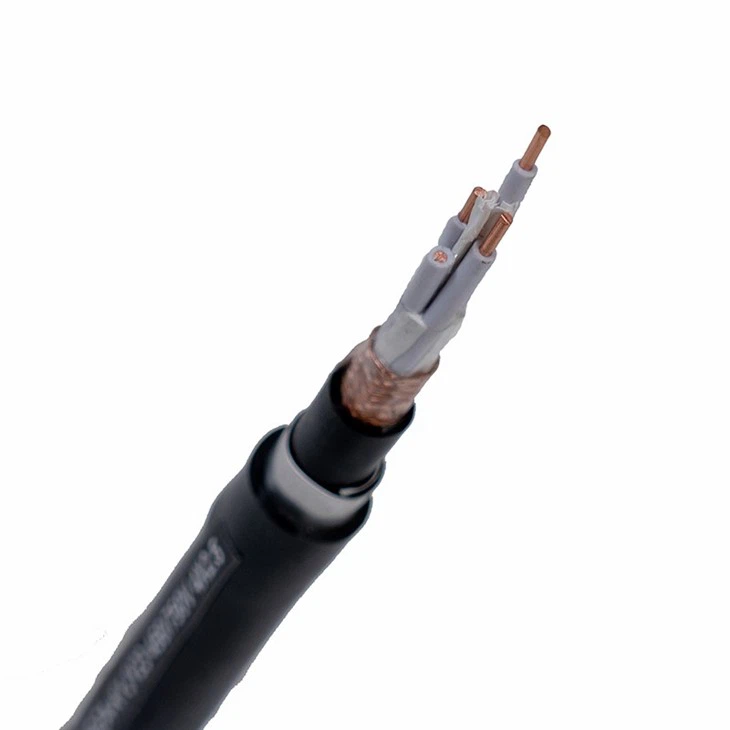
The flame spread rating of a Lighting Control Cable 2.5 Sy Cable can vary, but many cables have a flame spread rating of 100 or less, making them suitable for use in most lighting control applications.
Conclusion
Choosing a 4 Core Control Cable with a suitable flame spread rating is an important decision that can have a significant impact on the safety and performance of your electrical system. By considering factors such as application requirements, industry standards and regulations, cable construction and materials, and testing and certification, you can make an informed choice and select a cable that meets your specific needs.
If you have any questions or need further assistance in choosing a 4 Core Control Cable with a suitable flame spread rating, please feel free to contact us. Our team of experts is here to help you find the right cable for your application.
References
- National Electrical Code (NEC)
- ASTM E84 - Standard Test Method for Surface Burning Characteristics of Building Materials
- UL 723 - Standard for Test for Surface Burning Characteristics of Building Materials