Hey there! As a supplier of Household Insulated Wire, I often get asked about how to connect multiple household insulated wires together. It's a crucial skill, whether you're doing a simple DIY project at home or working on a more complex electrical installation. In this blog, I'll walk you through the process step by step.
Why Connect Multiple Wires?
Before we dive into the how-to, let's quickly talk about why you might need to connect multiple household insulated wires. There are a bunch of reasons. Maybe you're extending a wire to reach a new outlet or light fixture. Or perhaps you're combining wires to increase the current - carrying capacity. Whatever the reason, it's important to do it right to ensure safety and proper functionality.
Tools You'll Need
First things first, you'll need the right tools for the job. Here's a list of what I usually recommend:
- Wire strippers: These are essential for removing the insulation from the ends of the wires. Make sure you get a good - quality pair that can handle the gauge of the wires you're working with.
- Electrical tape: This is used to insulate the connection and prevent any exposed wires from causing a short - circuit.
- Wire nuts: These are small, plastic caps that are used to twist and secure the wires together. They come in different sizes for different wire gauges.
- Soldering iron and solder (optional): Soldering provides a more permanent and reliable connection, especially for high - current applications. But it requires a bit more skill and practice.
Step 1: Prepare the Wires
The first step is to prepare the wires for connection. Start by turning off the power to the circuit you'll be working on. This is super important for your safety. You don't want to get electrocuted!
Once the power is off, use your wire strippers to remove about 3/4 inch to 1 inch of insulation from the ends of each wire you want to connect. Be careful not to nick or cut the wire strands inside. If you do, it can weaken the wire and increase the risk of a failure.
Step 2: Choose the Right Connection Method
There are a few different ways to connect multiple household insulated wires, and the method you choose depends on the application and the type of wires you're using.
Twisting and Using Wire Nuts
This is the most common and easiest method for connecting wires. Here's how you do it:
- Align the stripped ends of the wires together. Make sure the wire strands are parallel and touching each other.
- Take a wire nut that's the right size for the number and gauge of the wires. Place the wire nut over the ends of the wires and start twisting it clockwise. Keep twisting until it's tight and the wires are securely held together.
- Give the wire nut a gentle tug to make sure the connection is strong. If the wires come loose, you might need to start over and make sure the strands are properly aligned.
- Once you're satisfied with the connection, wrap a layer of electrical tape around the wire nut for extra insulation.
Soldering
Soldering is a more advanced method but provides a stronger and more reliable connection. Here's how to do it:
- After stripping the wires, twist the strands of the wires together tightly.
- Heat the soldering iron until it's hot enough to melt the solder. Touch the tip of the soldering iron to the twisted wires to heat them up.
- Once the wires are hot, touch the solder to the wires. The solder should melt and flow around the wires, creating a solid connection.
- Let the solder cool and harden. Once it's cool, you can wrap electrical tape around the connection for insulation.
Step 3: Insulate the Connection
No matter which method you choose, it's important to insulate the connection properly. Electrical tape is the most common way to do this. Wrap the tape tightly around the connection, starting a little bit below the exposed wire and overlapping the tape as you go. Make sure there are no gaps or exposed wires.
If you're using a more professional setup, you might also consider using heat - shrink tubing. This is a plastic tube that shrinks when heated, providing a tight and durable insulation. Just slide the tubing over the connection before you make it, and then use a heat gun to shrink it in place.
Different Types of Household Insulated Wires
As a Household Insulated Wire supplier, I deal with a variety of wire types. Here are a couple of common ones:
300/500V PVC Insulated Cable
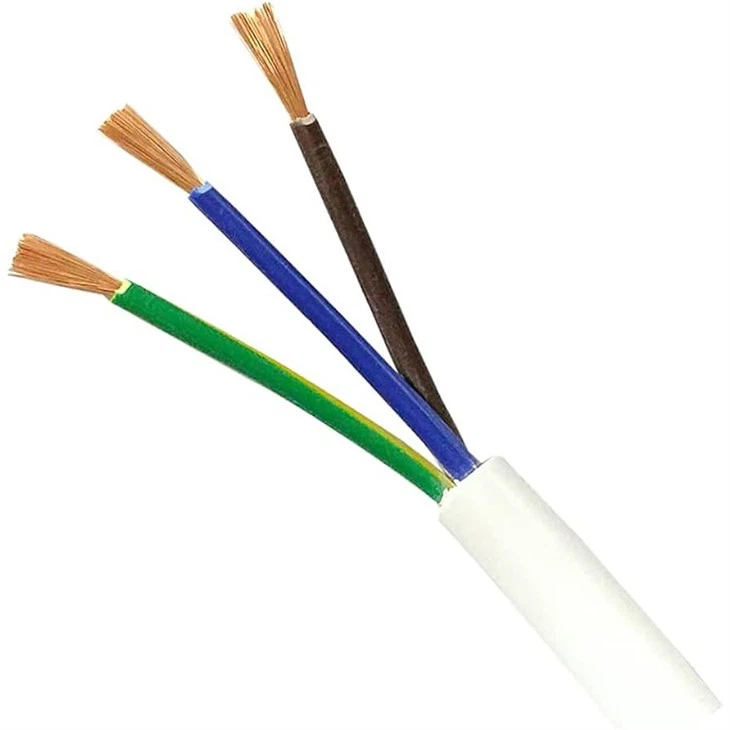
This type of cable is widely used in household electrical systems. The PVC insulation provides good electrical insulation and protection against moisture and chemicals. It's suitable for low - voltage applications, such as lighting circuits and small appliances.
Common House Wire
Common house wire is usually made of copper or aluminum and is used for general electrical wiring in homes. It comes in different gauges, depending on the amount of current it needs to carry.
Safety Tips
Connecting household insulated wires can be dangerous if you're not careful. Here are some safety tips to keep in mind:

- Turn off the power: Always turn off the power to the circuit before you start working on the wires.
- Use proper tools: Make sure you're using the right tools for the job, and that they're in good condition.
- Inspect the wires: Check the wires for any signs of damage or wear before you connect them. If the wires are damaged, don't use them.
- Follow local electrical codes: Make sure you're following all the local electrical codes and regulations when making the connection.
Conclusion
Connecting multiple household insulated wires together is a skill that can come in handy in many situations. Whether you're a DIY enthusiast or a professional electrician, knowing how to make a proper connection is essential for safety and functionality.
If you're in the market for high - quality Household Insulated Wire, I'd love to help you out. We offer a wide range of wires, including 300/500V PVC Insulated Cable and Common House Wire, at competitive prices. If you have any questions or want to discuss your specific needs, feel free to reach out to us for a procurement discussion.
References
- National Electrical Code (NEC)
- Electrical Wiring Handbook