


Grounding an outdoor electrical cable is a critical safety measure that helps prevent electrical shock, reduces the risk of electrical fires, and protects electrical equipment from damage. However, achieving proper grounding in rocky soil can be particularly challenging due to the high resistivity of the rock and the difficulty of installing grounding electrodes. As a leading supplier of outdoor electrical cables, including 120mm Xlpe Cable, Electric Copper Wire Cable, and offering information on 185 Sq mm Xlpe Cable Price, we understand the complexities involved in this process. In this blog, we'll explore the best practices for ensuring the proper grounding of outdoor electrical cables in rocky soil.
Understanding the Basics of Grounding
Before delving into the specific techniques for grounding in rocky soil, it's essential to understand the basic principles of grounding. Grounding provides a low - resistance path for electrical current to flow into the earth in the event of a fault. This helps to stabilize the voltage levels in an electrical system and protect people and equipment from the harmful effects of electrical surges.
The primary components of a grounding system for an outdoor electrical cable typically include grounding electrodes (such as ground rods), grounding conductors, and bonding jumpers. The grounding electrode is the part that makes direct contact with the earth, while the grounding conductor connects the electrical equipment to the grounding electrode.
Challenges of Grounding in Rocky Soil
Rocky soil presents several challenges to proper grounding. First, the high resistivity of rock means that it offers a poor path for electrical current to flow into the earth. This can result in a high ground resistance, which defeats the purpose of grounding. Second, it can be extremely difficult to install grounding electrodes in rocky soil. Driving a ground rod into solid rock may be impossible, and drilling holes for electrodes can be time - consuming and expensive.
Techniques for Grounding in Rocky Soil
1. Use of Multiple Grounding Electrodes
One effective strategy is to use multiple grounding electrodes connected in parallel. By increasing the number of electrodes, you can reduce the overall ground resistance. Instead of relying on a single ground rod, install several rods spaced at a reasonable distance apart (usually at least 6 feet). Connect these rods together using a grounding conductor. This spreads the electrical current over a larger area of the soil, compensating for the high resistivity of the rock.
2. Chemical Grounding Electrodes
Chemical grounding electrodes are designed to improve the conductivity of the soil around the electrode. These electrodes are filled with a conductive compound that gradually leaches into the soil, reducing its resistivity. In rocky soil, chemical grounding electrodes can be particularly useful as they can create a more conductive path for the electrical current. When installing chemical grounding electrodes, follow the manufacturer's instructions carefully to ensure proper installation and long - term performance.

3. Grounding Mats
Grounding mats are an alternative to traditional ground rods. They consist of a grid of conductive material (usually copper) that is laid on the surface of the soil. Grounding mats have a large surface area in contact with the soil, which helps to reduce the ground resistance. In rocky soil, grounding mats can be placed over the rock surface and covered with a layer of conductive backfill material, such as bentonite. This creates a more conductive path between the electrical system and the earth.
4. Drilling and Backfilling
If it's necessary to install ground rods, drilling holes into the rock and backfilling them with a conductive material can be an option. Use a suitable drill bit to create holes deep enough to accommodate the ground rod. Once the holes are drilled, insert the ground rods and backfill the holes with a conductive backfill material, such as a mixture of bentonite and salt. This backfill material helps to improve the contact between the ground rod and the surrounding soil, reducing the ground resistance.
Importance of Proper Installation
Proper installation is crucial for the effectiveness of a grounding system in rocky soil. Here are some key points to keep in mind:
- Correct Sizing: Ensure that the grounding conductors and electrodes are correctly sized according to the electrical load and the requirements of the local electrical code. Undersized conductors or electrodes can result in a high ground resistance and ineffective grounding.
- Good Electrical Connections: Make sure all electrical connections are clean, tight, and corrosion - resistant. Loose or corroded connections can increase the resistance in the grounding system, reducing its effectiveness.
- Compliance with Codes: Adhere to all relevant electrical codes and standards when installing the grounding system. These codes are in place to ensure the safety of the electrical system and the people using it.
Testing the Grounding System
After installing the grounding system, it's essential to test it to ensure that it meets the required ground resistance. A ground resistance tester is used to measure the resistance of the grounding system. The acceptable ground resistance value may vary depending on the application, but generally, a resistance of less than 25 ohms is considered acceptable for most electrical systems. If the measured resistance is higher than the acceptable value, further measures may need to be taken to reduce the resistance, such as adding more grounding electrodes or using chemical grounding treatments.
Our Role as an Outdoor Electrical Cable Supplier
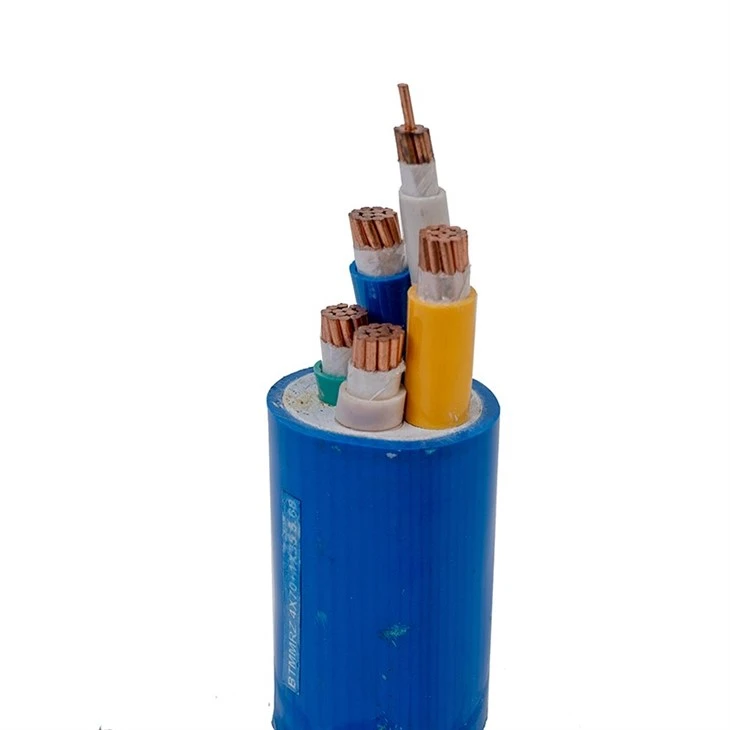
As an outdoor electrical cable supplier, we not only provide high - quality cables but also offer technical support and advice on grounding and electrical system installation. Our team of experts can help you select the right type of cable for your application in rocky soil and provide guidance on the best grounding techniques. Whether you need 120mm Xlpe Cable for a large - scale outdoor project or Electric Copper Wire Cable for a smaller installation, we have the products and knowledge to meet your needs.
Conclusion
Proper grounding of outdoor electrical cables in rocky soil is a challenging but essential task. By understanding the principles of grounding, using appropriate techniques such as multiple grounding electrodes, chemical grounding electrodes, and grounding mats, and ensuring proper installation and testing, you can achieve a reliable grounding system. At our company, we are committed to helping our customers with their outdoor electrical cable needs, including providing solutions for grounding in difficult soil conditions.
If you are in the process of planning an outdoor electrical project and need assistance with cable selection or grounding solutions, we encourage you to reach out to us. Our team of experts is ready to discuss your requirements and provide you with the best possible solutions. Contact us today to start the conversation about your outdoor electrical cable needs.
References
- National Electrical Code (NEC)
- IEEE Standard 80 - Guide for Safety in AC Substation Grounding
- Manufacturer's specifications for grounding electrodes and cables






