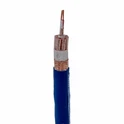
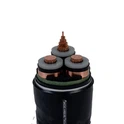
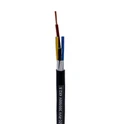
Hey there! As a supplier of 4 Core Control Cables, I've been getting a lot of questions lately about how to improve the chemical resistance of these cables. Chemical resistance is super important, especially in industries where cables are exposed to all sorts of harsh chemicals. So, I thought I'd share some tips and tricks on how to make your 4 Core Control Cables more chemically resistant.
Understanding the Basics of Chemical Resistance
First things first, let's talk about what chemical resistance actually means. When we say a cable has good chemical resistance, it means that it can withstand the effects of various chemicals without getting damaged. This includes things like acids, alkalis, solvents, and oils. If a cable isn't chemically resistant, it can start to break down over time, which can lead to all sorts of problems, like electrical failures and safety hazards.
There are a few factors that can affect a cable's chemical resistance. One of the most important is the material used to make the cable's insulation and jacket. Different materials have different levels of resistance to different chemicals. For example, some materials are more resistant to acids, while others are better at withstanding alkalis.
Choosing the Right Materials
When it comes to improving the chemical resistance of a 4 Core Control Cable, choosing the right materials is crucial. Here are some materials that are known for their good chemical resistance:
Polyvinyl Chloride (PVC)
PVC is a popular choice for cable insulation and jackets because it's relatively inexpensive and has good general chemical resistance. It can withstand a wide range of chemicals, including many acids, alkalis, and salts. However, it's not as resistant to some solvents and oils. You can check out our PVC Lighting Control Cable for an example of how PVC can be used in a control cable.
Cross-Linked Polyethylene (XLPE)
XLPE is another great option for improving chemical resistance. It has excellent resistance to a variety of chemicals, including many solvents and oils. It also has good mechanical properties, which means it can withstand physical stress without getting damaged.
Fluoropolymers
Fluoropolymers, such as polytetrafluoroethylene (PTFE) and fluorinated ethylene propylene (FEP), are known for their outstanding chemical resistance. They can withstand almost all chemicals, including the most aggressive ones. However, they are also more expensive than other materials.
Applying Protective Coatings
In addition to choosing the right materials, you can also apply protective coatings to your 4 Core Control Cables to improve their chemical resistance. Protective coatings can act as a barrier between the cable and the chemicals, preventing them from coming into direct contact.
There are several types of protective coatings available, including epoxy coatings, polyurethane coatings, and silicone coatings. Each type of coating has its own advantages and disadvantages, so it's important to choose the one that's best suited for your specific application.
Proper Installation and Maintenance
Proper installation and maintenance are also important for ensuring the chemical resistance of your 4 Core Control Cables. Here are some tips:


Installation
- Make sure the cables are installed in a clean and dry environment. Avoid installing them in areas where they will be exposed to chemicals or other contaminants.
- Use proper cable management techniques to prevent the cables from being pinched, crushed, or damaged during installation.
- Follow the manufacturer's instructions for installation, including the recommended bending radius and termination methods.
Maintenance
- Regularly inspect the cables for signs of damage or wear. Look for cracks, cuts, or other signs of deterioration in the insulation and jacket.
- Clean the cables regularly to remove any dirt, dust, or chemicals that may have accumulated on the surface. Use a mild detergent and a soft cloth to clean the cables.
- If you notice any signs of damage or wear, replace the cables immediately to prevent further problems.
Testing and Certification
To ensure that your 4 Core Control Cables have the required level of chemical resistance, it's important to have them tested and certified. There are several standards and tests available for evaluating the chemical resistance of cables, such as the ASTM D543 standard for evaluating the resistance of plastics to chemical reagents.
Having your cables tested and certified can give you peace of mind knowing that they meet the necessary requirements for your application. It can also help you demonstrate compliance with industry regulations and standards.
Conclusion
Improving the chemical resistance of a 4 Core Control Cable is essential for ensuring its long-term performance and reliability. By choosing the right materials, applying protective coatings, and following proper installation and maintenance procedures, you can significantly enhance the cable's ability to withstand the effects of various chemicals.
If you're in the market for 4 Core Control Cables with excellent chemical resistance, or if you have any questions about how to improve the chemical resistance of your existing cables, don't hesitate to get in touch. We're here to help you find the right solutions for your specific needs. Whether you need Control Panel Wire or Fire Resistant Control Wire, we've got you covered.
Let's start a conversation and see how we can work together to meet your cable requirements.
References
- ASTM D543 - Standard Practice for Evaluating the Resistance of Plastics to Chemical Reagents
- Various industry publications on cable materials and chemical resistance