


As a supplier of Fire Resistant Control Wire, ensuring the safe transportation of our products is of utmost importance. Fire Resistant Control Wires are crucial components in various industries, especially in those where fire safety is a top priority. These wires are designed to maintain circuit integrity during a fire, allowing for the continued operation of essential control systems. In this blog, I will share some key strategies and best practices on how to transport Fire Resistant Control Wire safely.
Understanding the Nature of Fire Resistant Control Wire
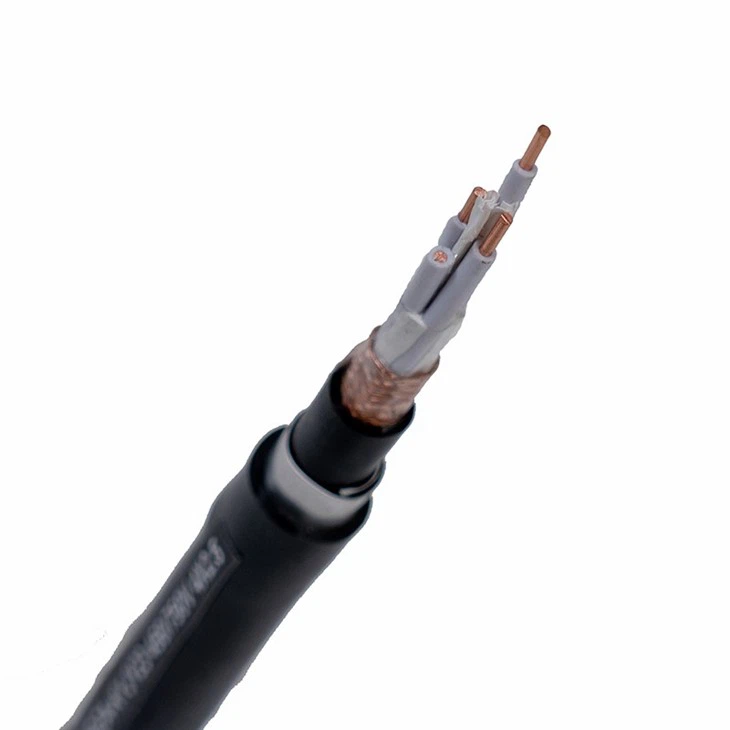
Before delving into the transportation methods, it's essential to understand the characteristics of Fire Resistant Control Wire. These wires are typically made with special fire - resistant materials, such as mica tapes or other insulating substances that can withstand high temperatures. They come in different specifications, including different core numbers and cross - sectional areas, to meet various application requirements. For example, our 4 Core Cy Cable is a popular choice for many control systems, providing reliable performance with its four - core design.
Packaging Considerations
Proper packaging is the first line of defense in ensuring the safe transportation of Fire Resistant Control Wire. The packaging should protect the wire from physical damage, moisture, and other environmental factors.
- Spooling and Coiling: Fire Resistant Control Wire is usually wound on spools or coils. The spools should be made of sturdy materials, such as high - density plastic or wood, to prevent deformation during handling and transportation. The wire should be wound tightly and evenly on the spool to avoid tangling and kinking.
- Outer Packaging: Once the wire is spooled, it should be placed in a suitable outer packaging. This could be a cardboard box, a wooden crate, or a plastic container. The outer packaging should be labeled clearly with information such as the product name, specifications, quantity, and handling instructions. For instance, labels indicating "Fragile" or "Handle with Care" can help prevent rough handling.
- Moisture Protection: Moisture can damage the insulation of the Fire Resistant Control Wire, reducing its fire - resistant properties. To protect against moisture, the wire can be wrapped in moisture - resistant materials, such as plastic films or moisture - barrier bags. Silica gel packets can also be placed inside the packaging to absorb any excess moisture.
Handling during Loading and Unloading
The way the Fire Resistant Control Wire is handled during loading and unloading can significantly impact its safety.
- Proper Equipment: Use appropriate lifting and handling equipment, such as forklifts, cranes, or pallet jacks. These equipment should be in good working condition and operated by trained personnel. When using forklifts to move spools of wire, make sure the forks are the right size and shape to support the spool securely.
- Avoiding Drops and Impacts: Drops and impacts can cause internal damage to the wire, such as breaks in the conductors or damage to the insulation. During loading and unloading, take extra care to prevent the wire from being dropped or hit against hard surfaces. If possible, use soft padding or shock - absorbing materials to cushion the wire.
- Correct Stacking: If multiple spools or packages of Fire Resistant Control Wire need to be stacked, ensure they are stacked in a stable and safe manner. The bottom layer should be able to support the weight of the upper layers without collapsing. Avoid stacking the spools too high to prevent them from toppling over.
Transportation Environment
The environment during transportation can also affect the safety of Fire Resistant Control Wire.
- Temperature and Humidity: Extreme temperatures and high humidity can have a negative impact on the wire. During transportation, try to maintain a relatively stable temperature and humidity level. If the transportation route passes through areas with extreme weather conditions, consider using climate - controlled vehicles or containers.
- Vibration and Shock: Vehicles in motion generate vibrations and shocks. These can cause the wire to move around inside the packaging, potentially leading to damage. To reduce the impact of vibrations and shocks, use shock - absorbing materials inside the packaging, such as foam or rubber pads. Additionally, secure the wire packages firmly inside the vehicle to prevent excessive movement.
Choosing the Right Transportation Method
Selecting the appropriate transportation method is crucial for the safe delivery of Fire Resistant Control Wire.
- Road Transport: Road transport is a common choice for short - to medium - distance transportation. It offers flexibility in terms of pick - up and delivery locations. When choosing a road transport provider, ensure they have experience in transporting delicate and valuable goods. The trucks should be well - maintained, and the drivers should be trained in proper handling and driving techniques.
- Rail Transport: For long - distance transportation, rail transport can be a cost - effective and reliable option. Rail cars can provide a more stable environment compared to trucks, reducing the risk of vibration and shock. However, proper loading and securing of the wire packages are still essential to prevent damage during transit.
- Sea Transport: If the Fire Resistant Control Wire needs to be transported overseas, sea transport is often the preferred method. When using sea transport, the wire should be packed in containers that are designed to withstand the harsh marine environment. The containers should be properly sealed to prevent water ingress and protected from salt spray and other corrosive substances.
Documentation and Tracking
Proper documentation and tracking are essential for the safe transportation of Fire Resistant Control Wire.

- Documentation: Keep detailed documentation of the shipment, including the product specifications, quantity, origin, destination, and any special handling instructions. This documentation can help in case of any disputes or issues during transportation.
- Tracking: Use tracking systems to monitor the location and status of the shipment. This allows you to stay informed about the progress of the transportation and take appropriate action if there are any delays or problems. Many transportation providers offer online tracking services, which can be accessed via a website or a mobile app.
Quality Checks upon Arrival
Once the Fire Resistant Control Wire arrives at its destination, it's important to conduct a thorough quality check.
- Visual Inspection: Inspect the outer packaging for any signs of damage, such as tears, dents, or water stains. If the packaging is damaged, carefully examine the wire inside for any visible damage, such as cuts, abrasions, or kinks.
- Electrical Testing: Perform electrical tests on the wire to ensure its performance meets the required standards. This can include tests for insulation resistance, conductor resistance, and fire - resistant properties. If any issues are detected during the quality check, contact the transportation provider and take appropriate measures, such as filing a claim.
In conclusion, transporting Fire Resistant Control Wire safely requires a comprehensive approach that includes proper packaging, careful handling, suitable transportation methods, and thorough quality checks. By following these best practices, we can ensure that our customers receive high - quality Fire Resistant Control Wire that meets their safety and performance requirements. If you are interested in purchasing our Fire Resistant Control Wire or have any questions about our products, we welcome you to contact us for further discussion and procurement negotiation.
References
- Electrical Installation Handbook, Schneider Electric
- Fire Safety Standards for Electrical Wires and Cables, International Electrotechnical Commission






