As a supplier of Mains Armoured Cable, I often receive inquiries from customers regarding the cable's resistance to chemicals. This is a crucial concern, especially in industrial and commercial settings where cables may be exposed to various chemical substances. In this blog post, I will delve into the topic of whether Mains Armoured Cable is resistant to chemicals, exploring the factors that influence its chemical resistance and providing real - world examples.
Understanding Mains Armoured Cable
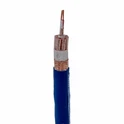
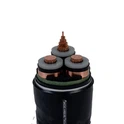
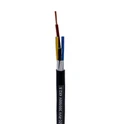
Before discussing chemical resistance, it's important to understand what Mains Armoured Cable is. Mains Armoured Cable is a type of electrical cable designed for the distribution of electrical power in main circuits. It typically consists of conductors, insulation, bedding, armoring, and an outer sheath. The armoring, usually made of steel wires or tapes, provides mechanical protection to the cable, making it suitable for use in harsh environments. You can explore our range of Mains Armoured Cable here.
Factors Affecting Chemical Resistance
The chemical resistance of Mains Armoured Cable depends on several factors, including the materials used in its construction, the type of chemicals it is exposed to, and the duration and intensity of the exposure.
Cable Materials
- Conductors: Usually made of copper or aluminum, conductors are relatively resistant to many common chemicals. Copper, for example, forms a thin oxide layer on its surface when exposed to air, which provides some protection against corrosion. However, strong acids and alkalis can still cause damage over time.
- Insulation: The insulation material is a critical component in determining chemical resistance. Common insulation materials include PVC (Polyvinyl Chloride), XLPE (Cross - Linked Polyethylene), and EPR (Ethylene - Propylene Rubber). PVC has moderate chemical resistance and is resistant to many non - polar solvents. XLPE offers good resistance to a wide range of chemicals, including some acids and alkalis. EPR is known for its excellent resistance to ozone, heat, and certain chemicals.
- Armoring: The steel armoring provides mechanical protection but may be susceptible to corrosion when exposed to corrosive chemicals such as acids and salts. However, some armoring can be coated or galvanized to enhance its corrosion resistance.
- Outer Sheath: The outer sheath acts as the first line of defense against chemical exposure. Materials like PVC, polyethylene, and polyurethane are commonly used. PVC sheaths have decent chemical resistance and are cost - effective. Polyethylene sheaths offer good resistance to moisture and some chemicals, while polyurethane sheaths are highly resistant to abrasion, oils, and many chemicals.
Type of Chemicals
Different chemicals have different effects on Mains Armoured Cable. For example:
- Acids: Strong acids can react with the metal conductors and the armoring, causing corrosion. They can also break down the insulation and outer sheath materials over time. Mild acids may have a slower and less severe impact.
- Alkalis: Similar to acids, alkalis can cause corrosion of metal components and degradation of insulation materials. However, the degree of damage depends on the concentration and type of alkali.
- Solvents: Non - polar solvents such as benzene and toluene can dissolve or swell some types of insulation and sheath materials. Polar solvents like ethanol may have a different effect, depending on the cable materials.
- Oils and Greases: Mineral oils and greases can penetrate some types of insulation and sheath materials, causing softening or swelling. Synthetic oils may have different levels of compatibility with cable materials.
Duration and Intensity of Exposure
The longer the cable is exposed to chemicals and the higher the concentration of the chemicals, the more likely it is to experience damage. Short - term exposure to low - concentration chemicals may not cause significant harm, while long - term exposure to high - concentration chemicals can lead to rapid degradation of the cable.


Real - World Examples
Let's look at some real - world scenarios to illustrate the chemical resistance of Mains Armoured Cable.
Industrial Factories
In chemical processing plants, cables are often exposed to a variety of chemicals. For example, in a factory that produces fertilizers, cables may be exposed to ammonia, sulfuric acid, and other chemicals. If the cables are not properly selected, they can quickly deteriorate. However, by choosing cables with appropriate insulation and sheath materials, such as XLPE insulation and polyurethane sheaths, the cables can withstand the chemical environment for a longer time.
Oil and Gas Industry
In the oil and gas industry, cables are exposed to crude oil, natural gas, and various chemicals used in the extraction and refining processes. Our Yjv22 Power 16mm*5 Armoured Cable with its robust construction and chemical - resistant materials has been successfully used in many oil and gas facilities. The XLPE insulation provides good resistance to the chemicals present in the industry, while the steel armoring offers mechanical protection against physical damage.
Wastewater Treatment Plants
Wastewater treatment plants use a variety of chemicals, including chlorine, sodium hydroxide, and various polymers. Cables in these plants need to be resistant to these chemicals. Our Yjv32 3* 50mm Armoured Cable has been proven to be a reliable choice in such environments. The cable's outer sheath and insulation materials can withstand the chemical exposure, ensuring long - term performance.
Testing and Certification
To ensure the chemical resistance of Mains Armoured Cable, manufacturers conduct various tests. These tests may include immersion tests, where the cable is submerged in a specific chemical for a certain period of time, and exposure tests, where the cable is exposed to a chemical vapor or mist. Cables that pass these tests are often certified to meet certain standards, such as those set by international organizations like IEC (International Electrotechnical Commission) and national standards bodies.
Conclusion
In conclusion, Mains Armoured Cable can be resistant to chemicals, but it depends on the materials used in its construction, the type of chemicals it is exposed to, and the duration and intensity of the exposure. As a supplier, we offer a wide range of Mains Armoured Cables with different levels of chemical resistance to meet the diverse needs of our customers.
If you are in need of Mains Armoured Cable for an environment where chemical exposure is a concern, we can help you select the most suitable cable for your application. Our team of experts can provide you with detailed information about the chemical resistance of our cables and assist you in making an informed decision. Contact us today to start the procurement process and discuss your specific requirements.
References
- International Electrotechnical Commission (IEC) standards on electrical cables
- Manufacturer's technical data sheets on cable materials and chemical resistance
- Industry research papers on the performance of electrical cables in chemical environments