


Hey there! As a supplier of YJV cables, I often get asked whether YJV cables are flame-retardant. It's a crucial question, especially when it comes to ensuring safety in electrical installations. So, let's dive right in and explore this topic.
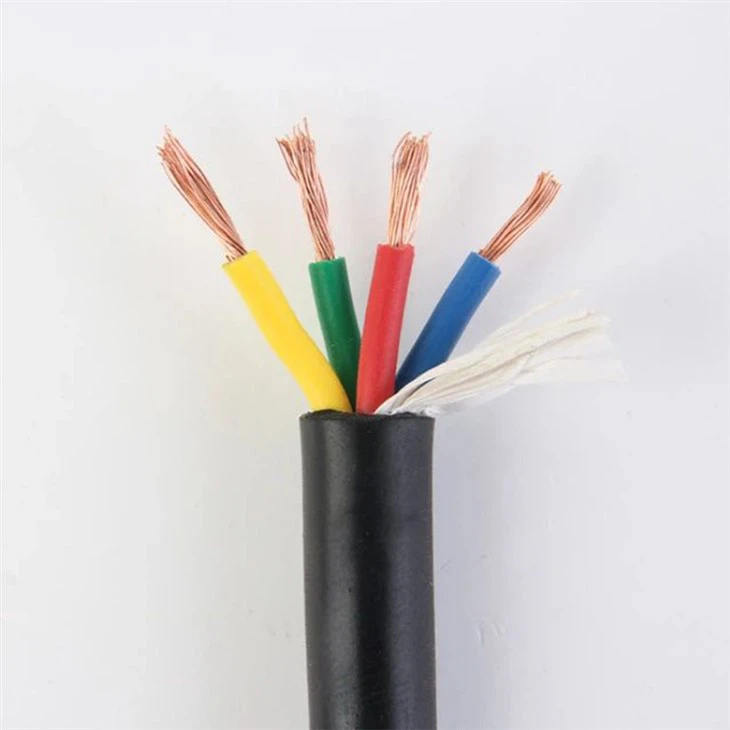
First off, let's understand what YJV cables are. YJV cables are cross-linked polyethylene insulated, PVC sheathed power cables. They're widely used in various electrical systems, from residential buildings to industrial complexes, because of their excellent electrical performance, mechanical properties, and long service life.
Now, the big question: Are YJV cables flame-retardant? Well, the answer isn't a simple yes or no. Standard YJV cables are not inherently flame-retardant. They're made of materials that can catch fire under certain conditions. However, manufacturers can produce flame-retardant versions of YJV cables by using special flame-retardant materials in their construction.
Flame-retardant YJV cables are designed to self-extinguish when the source of ignition is removed, which helps prevent the spread of fire. They're typically used in areas where fire safety is a top priority, such as hospitals, schools, high-rise buildings, and industrial facilities. These cables meet specific fire performance standards, which are set by national and international organizations.
One of the key factors that determine a cable's flame-retardant properties is the type of insulation and sheath materials used. In flame-retardant YJV cables, the insulation and sheath are made of materials that have low flammability and can resist the spread of fire. For example, some manufacturers use halogen-free flame-retardant materials, which not only reduce the risk of fire but also minimize the release of toxic gases and smoke in case of a fire.
Another important aspect is the cable's construction. Flame-retardant YJV cables are often designed with additional fire-resistant layers or barriers to enhance their fire performance. These layers can help contain the fire and prevent it from spreading to other parts of the cable or the surrounding environment.
So, how can you tell if a YJV cable is flame-retardant? The easiest way is to look for the relevant fire performance markings on the cable. These markings indicate that the cable meets specific fire safety standards. You can also ask the cable manufacturer for a certificate of compliance, which provides detailed information about the cable's fire performance.
As a YJV cable supplier, I offer a wide range of flame-retardant YJV cables to meet different customer needs. Whether you're looking for 6 mm Cable Single Core Xlpe, 4 C Xlpe Swa Pvc Cu Cable, or 16mm 4 Core Xlpe Cable, I've got you covered.
When choosing a flame-retardant YJV cable, it's important to consider several factors. First, you need to determine the specific fire safety requirements of your application. Different industries and locations may have different fire safety standards, so make sure the cable you choose meets these requirements.
Second, consider the cable's electrical performance. While fire safety is important, you also need a cable that can provide reliable electrical power. Look for cables with good insulation resistance, low capacitance, and high current-carrying capacity.
Third, think about the cable's environmental conditions. If the cable will be installed in a harsh environment, such as a wet or corrosive area, choose a cable with appropriate protection. For example, some flame-retardant YJV cables have a special outer sheath that can resist moisture and chemicals.
In conclusion, while standard YJV cables are not flame-retardant, there are flame-retardant versions available on the market. These cables offer enhanced fire safety and are suitable for applications where fire prevention is crucial. As a YJV cable supplier, I'm committed to providing high-quality flame-retardant cables that meet your specific needs.

If you're interested in purchasing flame-retardant YJV cables or have any questions about our products, feel free to reach out. We can discuss your requirements in detail and help you find the best cable solution for your project.
References
- National Electrical Code (NEC)
- International Electrotechnical Commission (IEC) standards on cable fire performance






