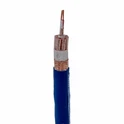
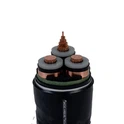
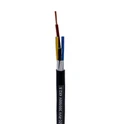
Copper has been a staple in the electrical industry for centuries, and for good reason. As a leading supplier of electrical wire, I've witnessed firsthand the numerous advantages that copper electrical wire offers. In this blog post, I'll delve into the key benefits of using copper in electrical applications, and why it remains the top choice for professionals and consumers alike.
Excellent Electrical Conductivity
One of the most significant advantages of copper electrical wire is its exceptional electrical conductivity. Copper has a very low electrical resistance, which means it allows electricity to flow through it with minimal loss of energy. This property is crucial in electrical systems, as it ensures that power is transmitted efficiently from the source to the end - user.
Compared to other metals commonly used in electrical wiring, such as aluminum, copper conducts electricity about 60% better. This higher conductivity translates into less power loss during transmission, which in turn reduces energy costs. For large - scale electrical distribution systems, this can result in substantial savings over time.
In addition, the high conductivity of copper enables the use of smaller - gauge wires for a given electrical load. Smaller wires are not only more cost - effective in terms of material usage but also easier to install and manage, especially in confined spaces. For example, in residential wiring, copper wires can carry the same amount of current as larger - gauge aluminum wires, allowing for a more compact and efficient electrical system.
High Thermal Conductivity
Copper is also an excellent conductor of heat. This property is vital in electrical applications because it helps to dissipate heat generated during the flow of electricity. When current passes through a wire, it produces heat due to the wire's resistance. If this heat is not dissipated properly, it can cause the wire to overheat, leading to insulation damage, short circuits, and even fires.
The high thermal conductivity of copper ensures that heat is quickly transferred away from the wire, keeping it at a safe operating temperature. This is particularly important in high - power applications, such as industrial machinery and electrical appliances, where large amounts of current are flowing through the wires. For instance, in a motor, copper windings can efficiently dissipate the heat generated during operation, preventing overheating and extending the motor's lifespan.
Durability and Longevity
Copper is a highly durable metal that can withstand a wide range of environmental conditions. It is resistant to corrosion, oxidation, and mechanical stress, making it an ideal choice for long - term electrical installations. Unlike some other metals, copper does not rust when exposed to moisture, which is a common problem in many electrical applications, especially in outdoor or damp environments.
The durability of copper electrical wire means that it requires less maintenance over its lifespan. It can last for decades without significant degradation, reducing the need for frequent replacements. This not only saves money on replacement costs but also minimizes downtime and disruption in electrical systems. For example, in a commercial building, copper wiring installed during construction can provide reliable service for the entire life of the building, with minimal maintenance requirements.

Ductility and Flexibility
Copper is a very ductile metal, which means it can be easily drawn into thin wires without breaking. This property allows for the production of a wide range of wire sizes and gauges to meet different electrical requirements. Whether you need a thick, heavy - duty wire for industrial applications or a thin, flexible wire for electronics, copper can be fabricated to the desired specifications.
The flexibility of copper wire also makes it easy to install in various configurations. It can be bent, twisted, and routed around obstacles without losing its electrical properties. This is particularly useful in complex electrical installations, such as in buildings with multiple floors or in vehicles with limited space. For example, in an automotive electrical system, copper wires can be easily routed through the tight spaces of the engine compartment and the vehicle's body, making installation more straightforward and efficient.
Safety
Safety is a top priority in electrical systems, and copper electrical wire offers several safety advantages. As mentioned earlier, its high thermal conductivity helps to prevent overheating, reducing the risk of fires. In addition, copper is a non - combustible material, which means it does not contribute to the spread of fire in case of an electrical fault.
Copper wire also has a low coefficient of expansion, which means it expands and contracts very little with changes in temperature. This property helps to maintain the integrity of the electrical connections over time, reducing the risk of loose connections that can lead to arcing and electrical fires. Moreover, copper's excellent electrical conductivity ensures that the electrical system operates smoothly and reliably, minimizing the risk of electrical shocks and other safety hazards.
Compatibility with Electrical Components
Copper is highly compatible with a wide range of electrical components, including switches, sockets, and circuit breakers. It forms a stable electrical connection with these components, ensuring reliable operation of the electrical system. The compatibility of copper with other materials also reduces the risk of galvanic corrosion, which can occur when two different metals are in contact in the presence of an electrolyte.
In addition, copper wire can be easily terminated and connected using standard electrical connectors and tools. This makes it convenient for electricians and DIY enthusiasts to install and maintain electrical systems. Whether you are installing a new PVC Insulated Household Wire in your home or a Hookup Wire 240 Volt Wire in an industrial setting, copper wire provides a reliable and easy - to - work - with solution.
Environmental Friendliness
Copper is a sustainable and environmentally friendly material. It is one of the few metals that can be recycled repeatedly without losing its properties. Recycling copper requires significantly less energy compared to mining and refining new copper, making it an energy - efficient option.
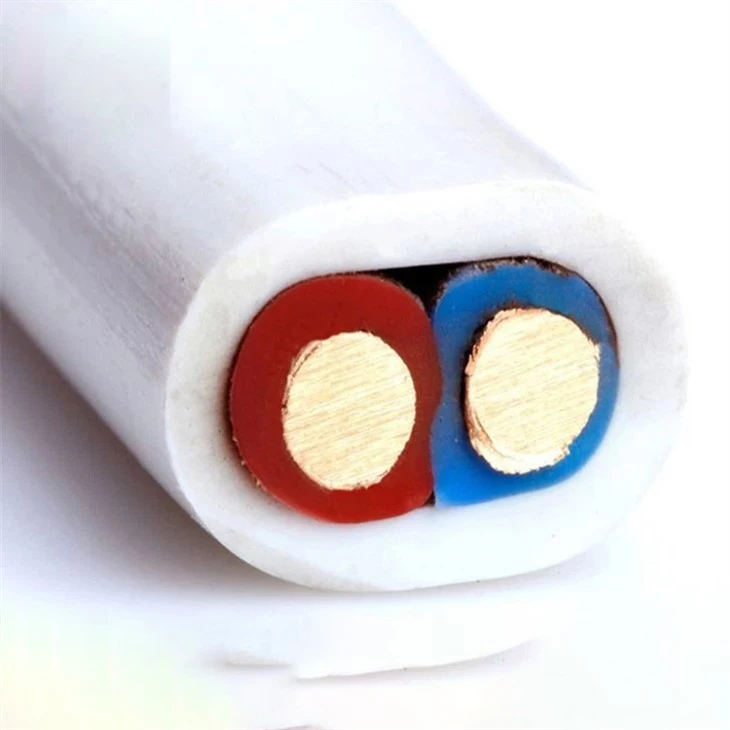
In addition, the long lifespan of copper electrical wire means that it reduces the amount of waste generated from electrical installations. By choosing copper wire, you are contributing to a more sustainable future by reducing the demand for new raw materials and minimizing the environmental impact of electrical systems.
Conclusion
In conclusion, the advantages of using copper electrical wire are numerous and significant. From its excellent electrical and thermal conductivity to its durability, flexibility, and safety features, copper is the ideal choice for a wide range of electrical applications. Whether you are building a new home, installing an industrial electrical system, or working on a DIY project, copper wire provides a reliable, efficient, and cost - effective solution.
As a trusted supplier of electrical wire, we offer a wide range of copper - based products, including Cross Linked Polyethylene Wire, to meet your specific needs. If you are interested in learning more about our products or would like to discuss your electrical wiring requirements, please don't hesitate to contact us. We are here to provide you with the best quality products and professional advice to ensure the success of your electrical projects.
References
- "Electrical Conductivity of Metals." The Physics Factbook.
- "Thermal Conductivity of Metals." Engineering ToolBox.
- "Properties of Copper." Copper Development Association.