


Hey there! As an electrical control cable supplier, I've seen firsthand how important it is to protect these cables. Electrical control cables are the backbone of many industrial and commercial systems, carrying signals and power to keep everything running smoothly. But they're also vulnerable to a range of threats, from physical damage to environmental factors. In this blog, I'll share some of the common protection methods for electrical control cables that I recommend to my customers.
Physical Protection
One of the most basic ways to protect electrical control cables is through physical means. This involves using materials and structures to shield the cables from external forces that could cause damage.
Conduits
Conduits are one of the most popular choices for physical protection. They're essentially tubes that encase the cables, providing a barrier against impact, abrasion, and even some chemicals. There are different types of conduits available, such as metal conduits (like steel or aluminum) and plastic conduits (like PVC). Metal conduits offer high strength and are great for areas where there's a risk of heavy impact, while plastic conduits are lightweight, corrosion - resistant, and often more cost - effective.
Cable Trays
Cable trays are another common option. They're like open - frame structures that support and organize multiple cables. Cable trays allow for good ventilation around the cables, which helps prevent overheating. They can be made of various materials, including steel, aluminum, and fiberglass. Steel cable trays are strong and durable, suitable for heavy - duty applications, while fiberglass trays are non - conductive and corrosion - resistant, making them ideal for harsh environments.
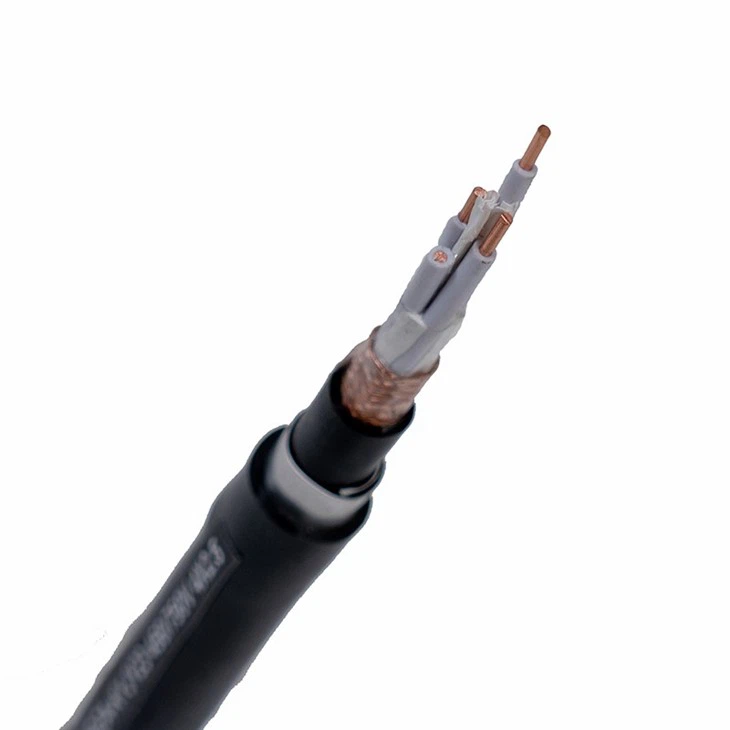

Armored Cables
Armored cables come with an extra layer of protection in the form of a metal armor. This armor can be made of steel tape or wire braid. It provides excellent resistance to mechanical damage, such as being crushed or cut. Armored cables are often used in areas where the cables are exposed to rough handling or where there's a risk of physical interference, like in construction sites or industrial plants.
Environmental Protection
Electrical control cables are also affected by the environment they're in. Different environmental factors can cause damage over time, so it's important to take appropriate measures to protect them.
Moisture and Water Resistance
Moisture and water can cause corrosion of the cable conductors and insulation breakdown. To protect against this, cables can be designed with moisture - resistant insulation materials. For example, some cables use polyethylene or cross - linked polyethylene (XLPE) insulation, which has good water - resistant properties. Additionally, cable joints and terminations can be sealed with waterproof compounds to prevent water ingress.
Temperature Resistance
Extreme temperatures can also have a negative impact on cables. High temperatures can cause the insulation to degrade, while low temperatures can make the cable insulation brittle and more prone to cracking. For high - temperature applications, cables with heat - resistant insulation, such as silicone rubber or fluoropolymers, can be used. In cold environments, cables with low - temperature - flexible insulation materials are recommended.
Chemical Resistance
In industrial settings, cables may be exposed to various chemicals, such as acids, alkalis, and solvents. Chemical - resistant cables are designed to withstand these substances. For example, some cables have a PVC outer sheath that provides a certain level of chemical resistance. For more aggressive chemical environments, cables with special fluoropolymer sheaths can be used.
Electrical Protection
In addition to physical and environmental protection, electrical control cables also need protection from electrical hazards.
Overcurrent Protection
Overcurrent can cause excessive heating in the cables, which can lead to insulation damage and even fire. Circuit breakers and fuses are commonly used for overcurrent protection. These devices are designed to automatically interrupt the circuit when the current exceeds a certain safe level. By doing so, they protect the cables from the damaging effects of overcurrent.
Voltage Surge Protection
Voltage surges can occur due to lightning strikes, switching operations, or other electrical disturbances. Surge protectors are used to divert the excess voltage to the ground, protecting the cables and the connected equipment. There are different types of surge protectors available, such as metal - oxide varistors (MOVs), which can quickly change their resistance in response to a voltage surge.
Fire Protection
Fire is a major concern when it comes to electrical control cables. In the event of a fire, cables can spread the fire and release toxic fumes. To address this, fire - resistant cables are used.
Fire Resistant Insulation
Fire Resistant Control Wire is designed with insulation materials that can withstand high temperatures for a certain period without burning or spreading the fire. These cables often use materials like mica or ceramic fiber insulation, which have excellent fire - resistant properties.
Fire - Retardant Sheaths
Cables can also be equipped with fire - retardant sheaths. These sheaths are designed to self - extinguish when exposed to fire, preventing the spread of flames along the cable. PVC is a commonly used material for fire - retardant sheaths, as it has inherent fire - retardant properties.
Choosing the Right Protection Method
When it comes to protecting electrical control cables, there's no one - size - fits - all solution. The choice of protection method depends on several factors, such as the application environment, the type of cable, and the level of protection required.
For example, if you're installing cables in a wet environment, moisture - resistant cables and proper sealing methods are essential. If the cables are in an area with a high risk of physical damage, armored cables or conduits may be the best option.
As an electrical control cable supplier, I work closely with my customers to understand their specific needs and recommend the most suitable protection methods. Whether it's a small - scale commercial project or a large - scale industrial installation, I'm committed to providing high - quality cables and protection solutions.
We offer a wide range of electrical control cables, including 4 Core Cy Cable and PVC Insulated Control Cable, all of which can be customized with the appropriate protection features according to your requirements.
If you're in the market for electrical control cables and need advice on the best protection methods, don't hesitate to get in touch. We're here to help you ensure the safety and reliability of your electrical systems. Whether you're a contractor, an engineer, or a facility manager, we can provide you with the right products and solutions for your project.
References
- "Electrical Wiring Handbook" by McGraw - Hill
- "Cable Installation Handbook" by Eland Cables
- Industry standards and guidelines from relevant electrical associations.






