


Hey there! I'm a supplier of Common House Wire, and today, I'm gonna talk about the environmental impacts of common house wire production. It's a topic that's been bugging me for a while, and I think it's high time we had an open chat about it.
Let's start with the raw materials. The most commonly used metal in house wires is copper. Copper mining is a major source of environmental degradation. It involves large - scale excavation of the earth, which leads to deforestation and habitat destruction. Many mining sites are located in areas with rich biodiversity, and when these areas are mined, countless plant and animal species lose their homes.
The process of extracting copper from the ore is also energy - intensive. Ore needs to be crushed, concentrated, and refined. These steps require a significant amount of electricity, mostly generated from fossil fuels. Burning fossil fuels releases large amounts of greenhouse gases like carbon dioxide (CO₂), methane (CH₄), and nitrous oxide (N₂O) into the atmosphere. These gases trap heat and contribute to global warming, which has far - reaching consequences such as rising sea levels, more extreme weather events, and disruptions to ecosystems.
Another issue with copper mining is water pollution. Mining operations produce a lot of waste, known as tailings. These tailings often contain heavy metals like mercury, lead, and arsenic. When these tailings are not properly managed, they can leach into nearby water sources. Contaminated water not only affects aquatic life but also poses a serious threat to human health if it's used for drinking or agricultural purposes.
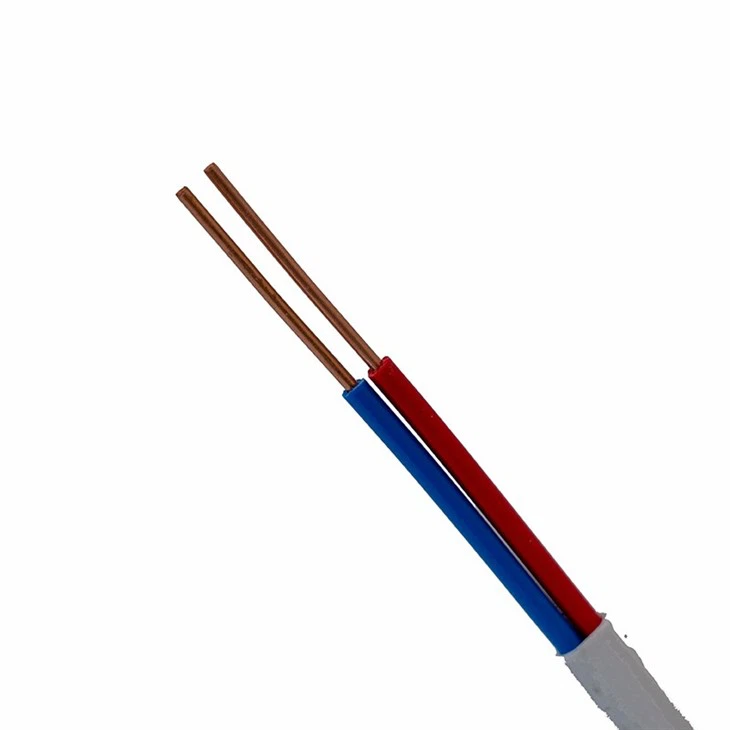
But copper isn't the only material in house wires. There's also the insulation. For Household Insulated Wire, common insulation materials include polyvinyl chloride (PVC) and polyethylene. The production of PVC is particularly concerning. It involves the use of chlorine, which is a highly toxic substance. The manufacturing process releases dioxins, which are extremely potent environmental pollutants. Dioxins can accumulate in the food chain, and even small amounts can cause a variety of health problems in humans and animals, including cancer, immune system disorders, and reproductive issues.
Polyethylene, on the other hand, is made from petroleum, a non - renewable resource. Extracting and refining petroleum has its own set of environmental impacts, similar to those of copper mining. It contributes to air pollution, water pollution, and the depletion of natural resources. And once the wire reaches the end of its life, these plastic insulations are often difficult to recycle. They can end up in landfills, where they take hundreds of years to decompose, or they may be incinerated, which releases more pollutants into the air.
The energy consumption during the manufacturing process of common house wires is also a big deal. From melting the copper to extruding the insulation, every step requires energy. Factories use large amounts of electricity and sometimes even burn fossil fuels directly on - site. This continuous energy demand is not only bad for the environment but also drives up the cost of production.
Beyond the production phase, the transportation of house wires also has an environmental footprint. Wires need to be shipped from the manufacturing plants to various distribution centers and then to retailers or construction sites. Trucks, trains, and ships are all used in this process, and they burn fossil fuels, emitting more greenhouse gases. The longer the transportation distance, the greater the environmental impact.
But it's not all doom and gloom. There are some steps that we, as a Common House Wire supplier, and the industry as a whole, can take to reduce these environmental impacts. For example, more companies are starting to source copper from mines that follow sustainable practices. These mines use techniques to minimize deforestation, reduce water pollution, and lower their energy consumption.
In terms of insulation materials, research is being done to find more sustainable alternatives. Some companies are looking into biodegradable plastics or natural fibers that can be used for insulation. These materials would not only be more environmentally friendly but also easier to dispose of at the end of the wire's life.
Energy - efficient manufacturing processes are also being developed. Factories are installing energy - saving equipment, such as high - efficiency motors and advanced lighting systems. Some are even exploring the use of renewable energy sources like solar and wind power to meet their energy needs.
As for transportation, we can optimize shipping routes to reduce the distance traveled. We can also consider using more fuel - efficient vehicles or even alternative modes of transportation, like electric trucks, in the future.
Now, let's talk a bit about our Common House Wire. We're committed to being as environmentally responsible as possible. We're constantly looking for ways to improve our production processes, source sustainable materials, and reduce our carbon footprint. Our Copper Core Polyethylene Insulated Cable is made with high - quality materials, and we're working on making it even more eco - friendly.
If you're in the market for common house wire, we'd love to have a chat with you. Whether you're a contractor working on a new construction project or a homeowner doing some electrical upgrades, we can provide you with the right products at a competitive price. And by choosing our wires, you're not only getting a reliable product but also supporting a more sustainable approach to wire production.
So, don't hesitate to reach out if you're interested in starting a discussion about your wire needs. We're here to answer your questions, provide you with detailed product information, and work with you to find the best solutions for your electrical projects.
References

- "Environmental impacts of metal mining and associated industrial activities". International Journal of Mining, Reclamation and Environment.
- "Plastic pollution: a growing concern for the environment". Marine Pollution Bulletin.
- "The role of sustainable manufacturing in reducing environmental impacts". Journal of Cleaner Production.






