


As a supplier of YJV cables, I understand the crucial role that cable connectors play in ensuring the safe and efficient operation of electrical systems. YJV cables, known for their cross-linked polyethylene (XLPE) insulation, are widely used in various applications, from residential buildings to industrial complexes. In this blog post, I will discuss the key requirements for cable connectors of YJV cables, which are essential for maintaining the integrity and performance of these cables.

Electrical Performance Requirements
Conductivity
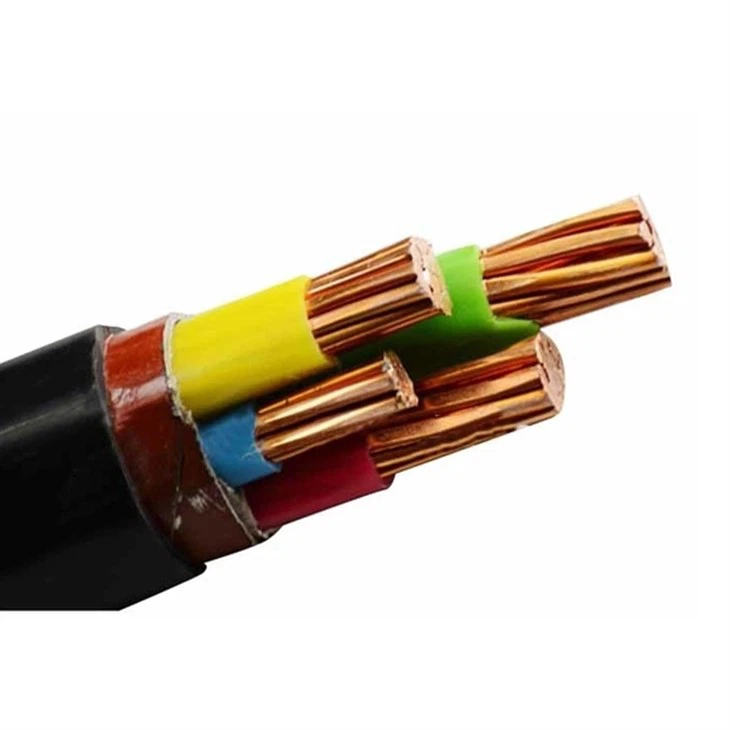
One of the primary requirements for cable connectors is high electrical conductivity. The connector must provide a low - resistance path for the flow of electrical current. This is crucial to minimize power losses and prevent overheating. For YJV cables, connectors are typically made of high - conductivity materials such as copper or aluminum. Copper connectors are preferred in many applications due to their superior conductivity, corrosion resistance, and mechanical strength. When choosing a connector, it is important to ensure that the cross - sectional area of the connector is appropriate for the cable size to maintain low resistance. For example, for a 16mm 4 Core Xlpe Cable, the connector should be sized to match the 16mm² conductors to ensure efficient current flow.
Insulation Resistance
In addition to good conductivity, cable connectors must also have high insulation resistance. This helps to prevent electrical leakage and short - circuits. The insulation material used in the connector should be compatible with the XLPE insulation of the YJV cable. Common insulation materials for connectors include rubber, silicone, and PVC. These materials should have high dielectric strength to withstand the rated voltage of the cable. For 0.6 - 1kv YJV Cable, the connector insulation must be able to withstand the 0.6 - 1kV voltage without breaking down.
Voltage Rating
The voltage rating of the cable connector must be equal to or higher than the voltage rating of the YJV cable. This ensures that the connector can safely handle the electrical stress associated with the cable's operation. Using a connector with a lower voltage rating can lead to insulation breakdown and potential electrical hazards. For instance, if a YJV cable is rated for 6kV, the connector should also be rated for at least 6kV.
Mechanical Performance Requirements
Tensile Strength
Cable connectors need to have sufficient tensile strength to withstand the mechanical forces applied during installation and operation. This includes the pulling forces during cable laying and the vibrations and movements that may occur in the electrical system. The connector should be able to maintain a secure connection between the cable conductors even under these mechanical stresses. For example, in industrial environments where there may be significant vibrations, a connector with high tensile strength is essential to prevent the connection from loosening.
Compression and Crimping
Proper compression or crimping of the connector onto the cable conductors is crucial for a reliable connection. The compression force should be sufficient to ensure good electrical contact and mechanical stability. Inadequate compression can lead to high resistance, overheating, and eventual failure of the connection. Manufacturers often provide specific guidelines for the compression or crimping process, including the appropriate tools and techniques to use.
Sealing and Protection
Cable connectors must be properly sealed to protect the conductors from environmental factors such as moisture, dust, and chemicals. Moisture ingress can cause corrosion of the conductors and insulation degradation, leading to electrical failures. Sealing can be achieved through the use of gaskets, O - rings, or potting compounds. For outdoor or harsh - environment applications, such as in a chemical plant or near the coast, a high - quality sealing system is essential to ensure the long - term reliability of the cable connection.
Environmental Requirements
Temperature Resistance
YJV cables and their connectors may be exposed to a wide range of temperatures during operation. The connector materials must be able to withstand these temperature variations without significant degradation. For example, in high - temperature environments such as near industrial furnaces, the connector should not lose its mechanical or electrical properties. Similarly, in cold - climate applications, the connector should remain flexible and maintain good contact between the conductors.
Chemical Resistance
In some industrial environments, cables and connectors may be exposed to various chemicals. The connector materials should be resistant to these chemicals to prevent corrosion and damage. For example, in a chemical processing plant, the connector may come into contact with acids, alkalis, or solvents. Using connectors made of chemical - resistant materials can ensure the long - term performance of the cable connection.
Compatibility Requirements
Cable Type Compatibility
The cable connector must be compatible with the type of YJV cable being used. This includes considerations such as the cable insulation material, conductor material, and cable construction. For example, a connector designed for a single - core YJV cable may not be suitable for a multi - core cable. Compatibility also extends to the cable's outer sheath material. If the cable has a PVC outer sheath, the connector should be able to form a proper seal with it.
System Compatibility
The cable connector should be compatible with the overall electrical system in which it is installed. This includes compatibility with other electrical components such as switches, circuit breakers, and transformers. For example, the connector's dimensions and connection configuration should match the requirements of the electrical equipment to ensure a proper fit and reliable operation.
Installation and Maintenance Requirements
Ease of Installation
Connectors should be designed for easy installation to reduce labor costs and installation time. This includes features such as clear installation instructions, simple connection methods, and the availability of appropriate installation tools. For example, some connectors may use a push - on or screw - on design, which is quicker and easier to install compared to more complex crimping or soldering methods.
Maintenance Accessibility
The cable connectors should be accessible for maintenance and inspection. This allows for periodic checks of the connection's integrity, including visual inspections for signs of damage or corrosion. In some cases, the connector may need to be easily removable for replacement or repair.
In conclusion, the requirements for cable connectors of YJV cables are multifaceted, encompassing electrical, mechanical, environmental, compatibility, and installation aspects. As a YJV cable supplier, I am committed to providing high - quality cables and connectors that meet these requirements. Whether you are in need of a 4 C Xlpe Swa Pvc Cu Cable, a 16mm 4 Core Xlpe Cable, or a 0.6 - 1kv YJV Cable, we can offer the right connectors to ensure the safe and efficient operation of your electrical system. If you are interested in purchasing YJV cables and connectors, please feel free to contact us for more information and to discuss your specific requirements.
References
- Electrical Wiring Handbook, 18th Edition
- National Electrical Code (NEC)
- International Electrotechnical Commission (IEC) standards for cable connectors


