Electrical wires are the unsung heroes of our modern world, silently carrying the power that keeps our homes, offices, and industries running. However, when these wires overheat, they can pose serious risks, including electrical fires and equipment damage. As an electrical wire supplier, I've seen firsthand the consequences of overheating wires and understand the importance of identifying and addressing the root causes. In this blog post, I'll explore the various factors that can cause electrical wires to overheat and provide insights on how to prevent these issues.
Overloading
One of the most common causes of wire overheating is overloading. Every electrical wire has a maximum current-carrying capacity, also known as its ampacity. When the current flowing through a wire exceeds its ampacity, the wire heats up. This can happen when too many electrical devices are connected to a single circuit or when high-power appliances are used on a circuit that is not designed to handle the load.
For example, if you plug multiple high-wattage appliances, such as a microwave, a toaster, and a hair dryer, into a single power strip and connect it to a circuit with a low ampacity, the wire in that circuit will be forced to carry more current than it can safely handle. Over time, this can cause the wire to overheat, melt the insulation, and potentially start a fire.


To prevent overloading, it's important to understand the ampacity of your electrical circuits and the power requirements of your electrical devices. You can consult an electrician to have your circuits evaluated and, if necessary, upgrade them to handle higher loads. Additionally, avoid using multiple high-power appliances on the same circuit and use power strips with built-in circuit breakers to protect against overloading.
Poor Connections
Another common cause of wire overheating is poor connections. When wires are not properly connected, they can develop high resistance at the connection point. According to Ohm's Law (V = IR), where V is voltage, I is current, and R is resistance, an increase in resistance will result in an increase in voltage drop across the connection. This voltage drop causes power to be dissipated as heat at the connection point, leading to overheating.
Poor connections can occur due to a variety of reasons, such as loose screws, corroded terminals, or improper wire splicing. For instance, if a wire is not tightly secured to a terminal block, the connection may become loose over time due to vibration or thermal expansion and contraction. This loose connection will increase the resistance and cause the wire to overheat.
To prevent overheating due to poor connections, it's important to ensure that all electrical connections are made properly. When installing or repairing electrical wiring, use the correct tools and techniques to make tight, secure connections. Regularly inspect your electrical connections for signs of corrosion, looseness, or overheating, such as discoloration or a burning smell. If you notice any issues, have them repaired by a qualified electrician immediately.
Damaged Insulation
Damaged insulation can also cause electrical wires to overheat. The insulation on electrical wires serves two important functions: it protects the wire from physical damage and prevents electrical current from leaking out. When the insulation is damaged, it can expose the wire to moisture, dirt, and other contaminants, which can increase the resistance of the wire and cause it to overheat.
Insulation damage can occur due to a variety of reasons, such as physical impact, abrasion, or exposure to high temperatures or chemicals. For example, if a wire is pinched or crushed during installation, the insulation may be damaged, exposing the wire. Similarly, if a wire is installed in an area where it is subject to constant rubbing against a sharp edge, the insulation may wear away over time, leading to overheating.
To prevent overheating due to damaged insulation, it's important to handle electrical wires carefully during installation and avoid exposing them to conditions that can cause insulation damage. If you notice any signs of damaged insulation, such as cracks, cuts, or abrasions, replace the damaged wire immediately. Additionally, use wire protection devices, such as conduit or cable trays, to protect the wires from physical damage.
Incorrect Wire Size
Using the incorrect wire size is another factor that can cause electrical wires to overheat. The size of an electrical wire is determined by its gauge, which is a measure of its cross-sectional area. The larger the gauge number, the smaller the wire diameter and the lower its ampacity.
If a wire that is too small for the load is used, it will have a higher resistance and will be unable to carry the current safely. This will cause the wire to overheat, potentially leading to insulation damage and fire. For example, if a 14-gauge wire is used to supply power to a high-power appliance that requires a 10-gauge wire, the 14-gauge wire will be overloaded and will overheat.
To ensure that you are using the correct wire size, it's important to consult the National Electrical Code (NEC) or a qualified electrician. The NEC provides guidelines on the appropriate wire size for different electrical applications based on the ampacity requirements and the length of the wire run. By using the correct wire size, you can prevent overheating and ensure the safe operation of your electrical system.
Environmental Factors
Environmental factors can also contribute to wire overheating. High ambient temperatures, for example, can reduce the ampacity of electrical wires. When the temperature around a wire increases, the resistance of the wire also increases, which causes the wire to heat up more quickly when carrying current.
In addition, exposure to moisture, chemicals, or other contaminants can damage the insulation on electrical wires and increase the risk of overheating. For example, if a wire is installed in a damp basement or a chemical storage area, the insulation may deteriorate over time, exposing the wire and increasing the risk of short circuits and overheating.
To mitigate the effects of environmental factors, it's important to choose electrical wires that are rated for the specific environmental conditions in which they will be installed. For example, if you are installing wires in a high-temperature environment, choose wires with a high-temperature insulation rating. Additionally, ensure that wires are installed in areas where they are protected from moisture, chemicals, and other contaminants.
Conclusion
As an electrical wire supplier, I understand the importance of ensuring that electrical wires are installed and used correctly to prevent overheating. By understanding the various factors that can cause wire overheating, such as overloading, poor connections, damaged insulation, incorrect wire size, and environmental factors, you can take proactive steps to prevent these issues and ensure the safety and reliability of your electrical system.
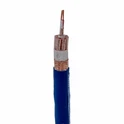
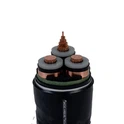
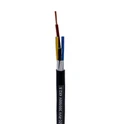
At our company, we offer a wide range of high-quality electrical wires, including Hookup Wire 450V Cable, 4 Core 70mm2 XLPE Insulated Cable, and Double Core Pvc Insulated Wire. Our wires are designed to meet the highest standards of quality and safety, and we can help you choose the right wire for your specific application.
If you have any questions about electrical wire overheating or need assistance in selecting the right electrical wires for your project, please don't hesitate to contact us. We are here to help you ensure the safety and efficiency of your electrical system.
References
- National Electrical Code (NEC)
- Electrical Wiring Handbook by Mike Holt
- Understanding Basic Electricity by Stan Gibilisco