


As a supplier of Copper Conductor YJV Cable, I often encounter inquiries about the mechanical wear resistance of our products. In this blog post, I will delve into the concept of mechanical wear resistance in Copper Conductor YJV Cables, exploring its significance, influencing factors, and how our cables perform in this regard.
Understanding Mechanical Wear Resistance
Mechanical wear resistance refers to the ability of a material or product to withstand the effects of mechanical forces that cause abrasion, friction, and impact without significant degradation. In the context of Copper Conductor YJV Cables, mechanical wear resistance is crucial as these cables are often installed in various environments where they may be subjected to physical stress during installation, operation, or maintenance.
Abrasion is one of the most common forms of mechanical wear. It occurs when the cable comes into contact with rough surfaces, sharp edges, or moving objects. Friction, on the other hand, can generate heat and cause the outer sheath of the cable to wear down over time. Impact forces, such as those from accidental drops or collisions, can also damage the cable's structure and insulation.
Significance of Mechanical Wear Resistance in Copper Conductor YJV Cables
The mechanical wear resistance of Copper Conductor YJV Cables is of utmost importance for several reasons. Firstly, it ensures the long - term reliability of the cable. A cable with high wear resistance is less likely to develop faults or failures due to mechanical damage, reducing the need for frequent replacements and maintenance. This, in turn, helps to minimize downtime and associated costs for our customers.
Secondly, good mechanical wear resistance enhances the safety of the electrical system. Damaged cables can pose a significant safety hazard, such as short circuits, electrical fires, or electric shocks. By using cables with excellent wear resistance, we can help to prevent these dangerous situations and protect both people and property.
Factors Affecting the Mechanical Wear Resistance of Copper Conductor YJV Cables
1. Cable Construction
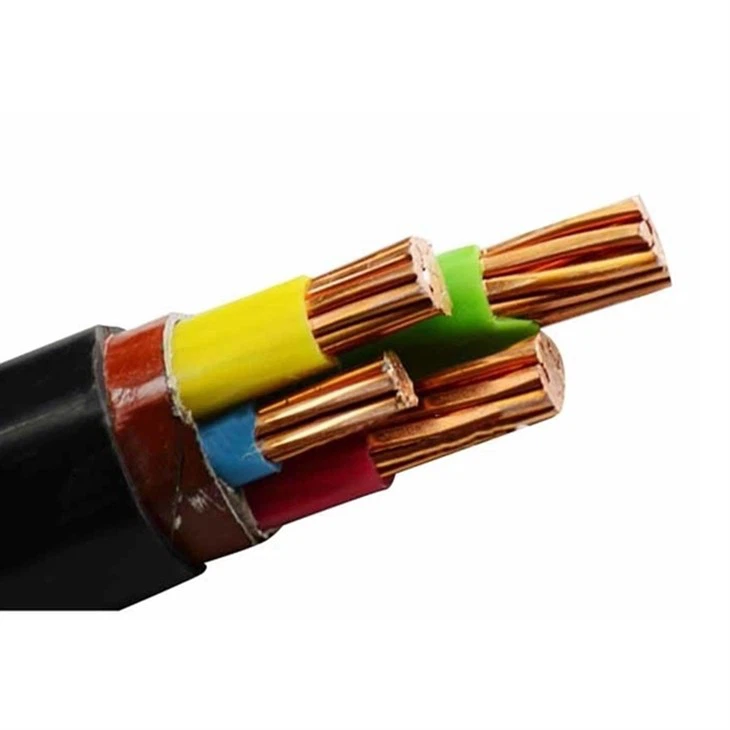
The construction of the cable plays a vital role in determining its mechanical wear resistance. Our Copper Conductor YJV Cables typically consist of a copper conductor, an XLPE (Cross - Linked Polyethylene) insulation layer, a steel wire armor (SWA) in some cases, and a PVC (Polyvinyl Chloride) outer sheath.
The copper conductor provides good electrical conductivity and has a certain degree of flexibility, which helps to withstand bending and twisting during installation. The XLPE insulation layer is not only an excellent electrical insulator but also has good mechanical properties, such as high tensile strength and tear resistance.
The steel wire armor, when present, provides additional protection against external mechanical forces. It can resist impacts, crushing, and abrasion, making the cable suitable for use in harsh environments. The PVC outer sheath acts as a protective barrier, preventing moisture, chemicals, and physical damage from reaching the inner components of the cable.
2. Material Quality
The quality of the materials used in the cable is another critical factor. High - quality copper conductors have fewer impurities, which means they are stronger and more resistant to mechanical stress. The XLPE insulation material used in our cables is carefully selected to ensure consistent performance and durability.

The PVC outer sheath is formulated to have high abrasion resistance and good weatherability. It can withstand exposure to sunlight, heat, cold, and moisture without deteriorating, ensuring long - term protection for the cable.
3. Installation Conditions
The way the cable is installed also affects its mechanical wear resistance. Proper installation techniques, such as using appropriate cable trays, conduits, and supports, can help to minimize the stress on the cable. For example, when installing the cable in a cable tray, it should be arranged neatly to avoid sharp bends or kinks that could damage the cable.
During installation, it is also important to protect the cable from sharp edges and rough surfaces. Using cable protectors or sleeves can help to prevent abrasion and impact damage.
Performance of Our Copper Conductor YJV Cables in Terms of Mechanical Wear Resistance
Our company takes pride in the high - quality Copper Conductor YJV Cables we produce. We conduct rigorous testing on our cables to ensure they meet or exceed industry standards for mechanical wear resistance.
For example, we perform abrasion tests using specialized equipment to simulate the wear and tear the cable may experience in real - world applications. Our cables have shown excellent performance in these tests, with the outer sheath maintaining its integrity even after a significant number of abrasion cycles.
In addition, our 4 C Xlpe Swa Pvc Cu Cable and Cu Xlpe Pvc Swa Cable with steel wire armor are designed to withstand high - impact forces. The armor provides a strong physical barrier that protects the inner components of the cable from damage, making them suitable for use in industrial and outdoor environments where the risk of mechanical damage is relatively high.
Our 0.6 - 1kv YJV Cable is also engineered to have good mechanical wear resistance. The combination of high - quality materials and precise manufacturing processes ensures that the cable can withstand the rigors of normal use and installation.
Applications Where Mechanical Wear Resistance is Crucial
1. Industrial Environments
In industrial settings, Copper Conductor YJV Cables are often exposed to heavy machinery, moving equipment, and harsh working conditions. The cables may be dragged across the floor, bent around corners, or subjected to vibrations. High mechanical wear resistance is essential to ensure the cables can operate reliably in these environments without being damaged.
2. Outdoor Installations
Outdoor installations, such as in power transmission and distribution systems, are also challenging for cables. They are exposed to the elements, including wind, rain, snow, and sunlight. Additionally, they may be at risk of being damaged by animals, falling objects, or human activities. Cables with good mechanical wear resistance can withstand these outdoor conditions and provide long - term service.
3. Underground Installations
Underground cables are subject to soil pressure, moisture, and the movement of the ground. They may also be damaged during excavation work or by the roots of trees. Mechanical wear resistance is crucial to protect the cables from these underground hazards and ensure their proper functioning.
Contact Us for Your Cable Needs
If you are in the market for high - quality Copper Conductor YJV Cables with excellent mechanical wear resistance, we invite you to contact us for a detailed discussion. Our team of experts is ready to assist you in selecting the right cable for your specific application. We can provide you with product specifications, technical support, and competitive pricing. Whether you are involved in an industrial project, an outdoor installation, or an underground wiring system, our cables are designed to meet your requirements and ensure the reliability and safety of your electrical system.
References
- "Electrical Cables: Design, Installation, and Maintenance" - A comprehensive guide on electrical cables, including factors affecting their mechanical properties.
- Industry standards such as IEC (International Electrotechnical Commission) and IEEE (Institute of Electrical and Electronics Engineers) publications related to cable performance and testing.






